
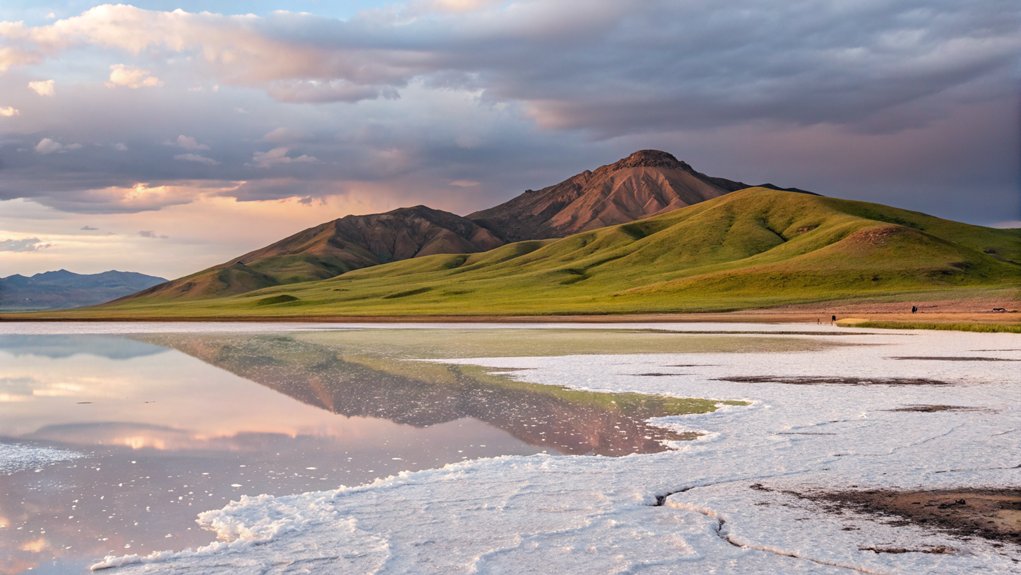
When planning your Bolivia travel itinerary, you’ll want to embrace the diverse landscapes, starting with the mesmerizing Salar de Uyuni. You’ll find yourself captivated by its vast salt flats before venturing into the rich biodiversity of the Amazon Basin. Each destination offers unique experiences, but it’s crucial to prepare for the altitude and immerse yourself in local culture. Curious about how to make the most of your journey? There’s much more to explore.
Key Takeaways
- Start your journey in La Paz, acclimatizing to the altitude before heading to Rurrenabaque for Amazon exploration.
- Fly or take a bus to Rurrenabaque from La Paz, keeping cash ready for local transportation and ticket purchases.
- Experience guided wildlife hikes, canoeing, and cultural activities in Madidi National Park.
- Transition from the Amazon to Salar de Uyuni, enjoying lush jungles turning into stunning salt flats landscapes.
- Explore iconic sites in Uyuni, like Isla Incahuasi and Laguna Colorada, while engaging in sustainable tourism practices.
Exploring Bolivia’s Rich Ecosystems
Bolivia’s diverse ecosystems are a true treasure trove for nature lovers. When you explore the Salar de Uyuni, the world’s largest salt flat, you’ll be mesmerized by its vast mirror-like landscapes during the rainy season.
Head to the Amazon basin in Madidi National Park, where you can encounter over 1,000 bird species, 200 mammals, and countless plants.
Don’t miss the Eduardo Avaroa National Reserve in the Altiplano, where unique geological formations like geysers and hot springs beckon at high altitudes.
Also, visit Lake Titicaca, the highest navigable lake globally, home to unique fish species and indigenous communities.
Each region offers a distinct climate, from tropical warmth to cold desert air, making your adventure unforgettable.
Top Travel Tips for Your Bolivia Adventure
When you’re packing for Bolivia, think lightweight for the Amazon but don’t forget layers for the cooler nights and high altitudes.
Altitude sickness can hit hard in La Paz, so prepare with remedies like coca tea or Diamox.
And remember, cash is king here—always keep Bolivianos on hand for local shops and markets.
Cash Is King
Having cash on hand is essential during your Bolivia adventure, as many places, especially in remote areas, prefer cash transactions over credit cards. While ATMs are found in major cities like La Paz and Sucre, watch out for withdrawal limits and fees. Always opt for bank-affiliated ATMs to reduce the risk of fraud.
| Tip | Details |
|---|---|
| Small Denominations | Useful for daily transactions |
| Entrance Fees | Needed for attractions and markets |
| Local Eateries | Often don’t accept card payments |
Keep some Bolivianos handy for those unexpected moments, ensuring a smooth experience as you explore this beautiful country.
Pack for Altitude
Packing for altitude is essential for a comfortable adventure in Bolivia. Start by staying hydrated; drink plenty of water and skip alcohol for the first few days to combat altitude sickness, especially in La Paz.
Pack layers of clothing to adapt to temperature changes—expect 15-20°C (59-68°F) during the day and possible drops to -5°C (23°F) at night. Don’t forget altitude medication like Diamox, which can help with symptoms.
Your checklist should include comfortable hiking shoes, breathable fabrics for warmth, and a windproof jacket for chilly conditions.
Finally, protect yourself from the sun; include sunscreen, lip balm, and sunglasses since UV exposure increases at high altitudes in the Bolivian Andes.
Arriving in La Paz: Your Starting Point
Arriving in La Paz is like stepping into the world’s highest capital city, perched at an impressive 3,500 meters (11,483 feet) above sea level.
Your adventure begins at El Alto International Airport, where you’ll find flights from major South American cities, as well as direct routes from Spain and the U.S. Once you land, local transportation options like taxis and limited Uber services make traversing the city a breeze.
As you explore, you’ll be captivated by La Paz’s unique topography, steep hills, and breathtaking views of snow-capped Mount Illimani. Immerse yourself in the local culture by visiting indigenous markets and historical sites, such as Plaza Murillo, while indulging in traditional culinary delights like salteñas.
Acclimatizing to Altitude: Tips for La Paz
Since La Paz is perched at an altitude of about 3,500 meters (11,500 feet), acclimatizing to the elevation is essential for enjoying your trip without the discomfort of altitude sickness. To ease your adjustment, give yourself at least 24-48 hours of rest upon arrival.
Staying hydrated is key; drink plenty of water while minimizing alcohol and caffeine to manage altitude effects. Opt for light, nutritious meals—especially those rich in carbohydrates—to maintain your energy levels.
If necessary, consider using medication like Diamox (Acetazolamide), which a healthcare professional can recommend to help prevent symptoms of altitude sickness. Taking these steps will considerably enhance your comfort and enable you to explore La Paz with more ease.
Cultural Highlights in La Paz: History and Food
La Paz captivates visitors with its rich tapestry of history and culinary delights, offering a unique insight into Bolivia’s diverse culture.
As you explore this vibrant city, you’ll uncover layers of indigenous and colonial influences through its stunning architecture and flavors.
- Visit Plaza Murillo, surrounded by historical landmarks like the Presidential Palace and Cathedral.
- Wander Calle Sagarnaga to discover local handicrafts and traditional textiles.
- Savor delicious Bolivian cuisine, including salteñas and pique macho.
- Experience the city’s Teleférico for breathtaking views of the Andean mountains.
- Join local festivals to immerse yourself in Bolivian cultural practices and traditions.
These highlights smash the boundaries of mere sightseeing, letting you truly feel the heartbeat of La Paz.
Traveling to Rurrenabaque: Logistics and Tips
When you’re heading to Rurrenabaque, you’ve got a couple of options: a quick flight from La Paz or a lengthy overnight bus ride.
If you choose to fly, keep in mind that weather can affect your schedule, so it’s smart to plan some extra days.
Once you arrive, local transportation is available, but it’s best to arrange your tours with authorized operators to guarantee a safe and enjoyable experience.
Flight Options Available
Traveling to Rurrenabaque is straightforward, with numerous flight options available from La Paz. The flight lasts about 40-45 minutes, offering a quick and scenic view of the landscape.
Here are some key points to take into account:
- Major airlines like Amaszonas and Boliviana de Aviación operate multiple daily flights.
- Booking in advance is recommended, especially during peak seasons.
- Arrive at El Alto International Airport at least one hour before departure.
- Flexibility is essential; weather can cause delays or cancellations.
- Think about purchasing tickets early for better prices and availability.
Local Transportation Insights
How do you get around Rurrenabaque once you arrive? After your journey, you’ll find local taxis and shared rides available to take you to eco-lodges and tour operators for adventures in Madidi National Park.
If you traveled by bus or plane, consider booking your flights to Rurrenabaque from La Paz in advance, especially during peak seasons; seats fill up fast and prices can spike. For the bus option, be prepared for an 18-hour scenic ride, and always choose a reputable company.
When in La Paz, carry cash for your bus tickets, as not all companies accept credit cards. Ultimately, getting around Rurrenabaque is quite straightforward and will enhance your unforgettable Amazon experience.
Discover the Amazon: Rurrenabaque Gateway
Nestled among the lush greenery of northern Bolivia, Rurrenabaque serves as your gateway to the vibrant Amazon. This small town is perfect for adventurers seeking rich experiences in one of the most biodiverse regions on the planet.
Here, you can:
- Catch a short flight from La Paz or enjoy a scenic bus ride to reach the town.
- Join boat tours traversing the Beni and Tuichi rivers, observing various wildlife.
- Stay at eco-lodges within Madidi National Park for comfort and guided tours.
- Engage with local cultures and wildlife, including pink river dolphins and caimans.
- Head to the nearby Yacuma Forest Preserve for unforgettable river safaris.
Get ready for an unforgettable journey into the heart of the Amazon!
Explore the Biodiversity of Madidi National Park
What wonders await you in the diverse ecosystems of Madidi National Park? Spanning over 18,957 square kilometers, this Bolivian paradise is one of the most biodiverse areas on the planet.
You’ll explore tropical rainforests, montane forests, and wetlands, all teeming with life. Birdwatching enthusiasts will rejoice at the chance to spot over 1,000 species, including vibrant macaws and exotic hummingbirds.
Keep your eyes peeled for unique mammals like jaguars, capybaras, and playful monkeys, as well as fascinating reptiles such as anacondas.
The park not only showcases incredible wildlife but also supports conservation efforts for indigenous communities. Engaging in sustainable tourism here means you contribute to preserving this stunning biodiversity while enriching local cultures.
Adventure Activities in Madidi Jungle
Ready for an adventure in the heart of the Madidi Jungle?
You’ll discover the thrill of nature as you plunge into these engaging activities:
- Guided hikes through lush rainforests, spotting monkeys and vibrant macaws.
- Canoeing on the Beni and Tuichi Rivers, watching for pink river dolphins and caimans.
- Nighttime safaris that reveal the jungle’s nocturnal side, with tarantulas and frogs.
- Cultural experiences with indigenous communities to learn about traditional agriculture and medicinal plants.
- Piranha fishing and building log rafts, connecting you to local customs.
These adventures promise unforgettable memories while immersing you in the spectacular biodiversity and rich culture of Madidi National Park.
Don’t miss out on this unique journey!
From Jungle to Uyuni: What to Expect
As you move from the lush biodiversity of Madidi National Park to the mesmerizing Uyuni Salt Flats, you’ll encounter a striking contrast in landscapes that showcases Bolivia’s diverse ecosystems.
In Madidi, you’ll immerse yourself in the vibrant wildlife, spotting everything from colorful parrots to slithering anacondas amid the dense foliage. After soaking in the jungle’s rich experiences, you’ll shift to the stark, surreal scenery of Uyuni, famous for its expansive reflective surfaces, particularly stunning during sunset.
During your journey, enjoy cozy eco-lodges and indulge in local cuisine, enhancing your travel experience with cultural interactions. Expect guided tours along the way, capturing unforgettable memories as you explore both the lush heart of the jungle and the breathtaking wonders of the salt flats.
Experience the Awe-Inspiring Salar De Uyuni
Salar de Uyuni is an extraordinary destination that will leave you in awe. Covering over 10,582 square kilometers, this stunning salt flat was formed from evaporated prehistoric lakes.
When visiting, you’ll experience its surreal beauty, especially during the rainy season when reflections create a picturesque mirror-like surface.
Here are some highlights to explore:
- Stand on the world’s largest salt flat at an elevation of 3,656 meters.
- Discover the unique Train Cemetery with old locomotive relics.
- Visit Colchani village, where locals process salt.
- Learn about Bolivia’s lithium reserves, essential for modern technology.
- Capture breathtaking photos at Isla Incahuasi, with its towering cacti.
Prepare for an unforgettable adventure in this stunning landscape!
Nature and Scenery at Isla Incahuasi
Isla Incahuasi, a remarkable oasis in the heart of Salar de Uyuni, captivates visitors with its towering cacti and unique geological features. Some cacti reach over 10 meters (33 feet) tall and are believed to be over 100 years old.
As you explore this stunning island, you’ll encounter breathtaking panoramic views of the expansive salt flats, especially during sunrise or sunset when the light creates magical reflections. Hike the trails to discover diverse flora and fauna, including various bird species, and gain insight into the salt flat’s ecosystem.
The volcanic rock formations add a striking contrast to the bright white salt crust, making Isla Incahuasi not only a natural wonder but also a cultural landmark for the indigenous Aymara and Quechua communities.
Fun Adventures in Eduardo Avaroa National Reserve
When you explore Eduardo Avaroa National Reserve, you’ll encounter some of the most unique landscapes on the planet, from vibrant lagoons to surreal rock formations.
Keep your eyes peeled for Andean flamingos and other wildlife, enriching your adventure with fascinating wildlife encounters.
Each step through this diverse ecosystem showcases nature’s beauty while highlighting the importance of conservation efforts.
Unique Landscapes Exploration
Have you ever dreamed of exploring a landscape that feels otherworldly? In Eduardo Avaroa National Reserve, you’ll find stunning vistas that will leave you in awe.
- Colorful lagoons like Cañapa and Hedionda, attracting Andean flamingos
- The dramatic Siloli Desert featuring the unique “Stone Tree”
- Erupting geysers at Sol de Mañana, releasing steam and boiling mud
- Breathtaking hiking opportunities above 4,500 meters (14,800 feet)
- A rich diversity of ecosystems, from high-altitude deserts to saline lakes
Each moment here immerses you in Bolivia’s unique natural beauty.
Grab your camera, lace up your hiking boots, and prepare to be amazed by this remarkable landscape!
Wildlife Encounters and Conservation
After soaking in the breathtaking landscapes of Eduardo Avaroa National Reserve, you’ll want to turn your attention to its incredible wildlife.
This stunning reserve, spanning over 7,000 square kilometers, boasts high-altitude lakes like Laguna Verde and Laguna Colorada, where you can spot Andean flamingos and other migratory birds.
Look out for vicuñas, guanacos, and the majestic Andean condor—perfect for nature enthusiasts and birdwatchers alike.
Join guided tours that enrich your experience by educating you about the local fauna and flora.
These tours also highlight ongoing conservation efforts aimed at preserving its fragile ecosystems and promoting sustainable tourism.
It’s your chance to connect with nature while supporting essential conservation practices!
Final Reflections on Your Bolivian Adventure
As you reflect on your Bolivian adventure, the memories of the stunning Uyuni Salt Flats and the vibrant biodiversity of Madidi National Park will likely linger in your mind.
You’ve experienced a land rich in diversity, both in landscapes and wildlife. The experiences you created will stay with you long after you leave.
- Witnessed breathtaking panoramic views from Incahuasi Island
- Encountered exotic wildlife, including colorful macaws and elusive anacondas
- Enjoyed sustainable eco-lodges that connect with nature
- Star-gazed under Bolivia’s incredible night sky
- Participated in guided tours that deepened your understanding of local culture and heritage
Your journey through Bolivia has offered a blend of adventure, tranquility, and unforgettable moments that are sure to inspire future travels.
Frequently Asked Questions
Is It Safe for Americans to Travel to Bolivia Right Now?
Yes, it’s generally safe for Americans to travel to Bolivia right now. Just stay cautious with your belongings, avoid showing valuables, and keep up with any travel advisories regarding protests or other potential disruptions.
How Long to Spend in Salt Flats, Bolivia?
You should plan to spend about 2 to 3 days in the salt flats. This allows you to explore the unique landscapes, enjoy guided tours, and experience breathtaking sunsets and stargazing in a salt hotel.
In Which Season Is It Better to Go to the Salar Uyuni?
You should visit Salar de Uyuni during the dry season, from May to November. Clear skies and pleasant temperatures make exploring and photography enjoyable, while the rainy season may limit access due to unpredictable weather.
Are the Salt Flats in Bolivia Worth Visiting?
Yes, the salt flats in Bolivia are absolutely worth visiting. You’ll experience breathtaking landscapes, unique wildlife, and stunning reflections during the rainy season, making it a memorable adventure you won’t want to miss.
Related posts:

Girl Solo Travel: Freedom Through Solo Adventures

Mediterranean Travel Itinerary: Multi-Country Cruise

Solo Travel in Dubai: Luxury, Culture, and Experiences
Solo Travel in Okinawa: Beaches and Island Culture
Vietnam Travel Itinerary: Hanoi to Ho Chi Minh City
Leave a Reply