
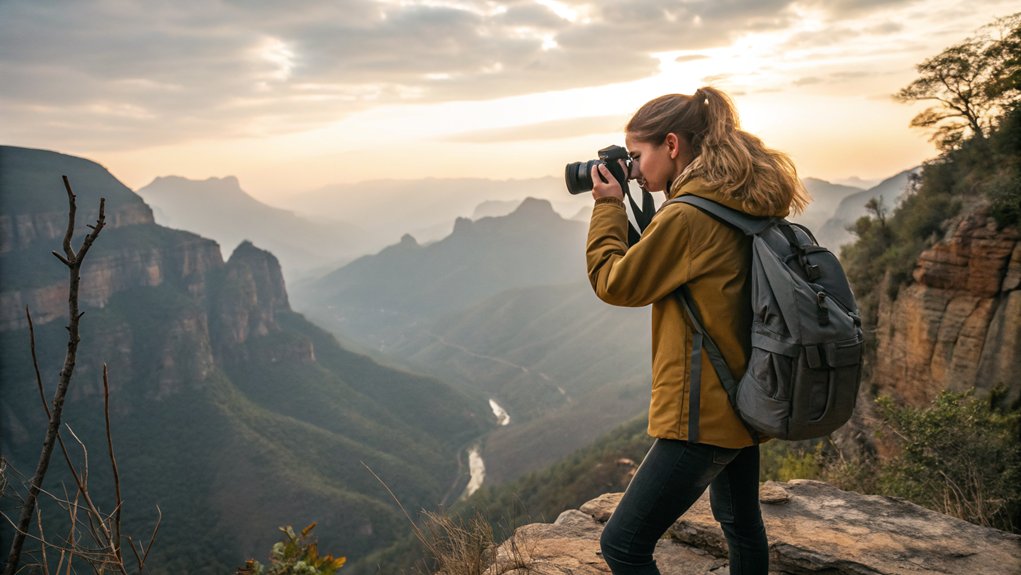
When you decide to travel solo as a woman, safety is your top priority. Familiarizing yourself with local customs and resources can greatly enhance your experience. You’ll want to contemplate everything from your accommodations to what you wear. But understanding how to stay safe goes beyond practicalities; it also involves trusting your instincts and being aware of your surroundings. What strategies can you adopt to make your journey both secure and enjoyable?
Key Takeaways
- Familiarize yourself with local emergency contacts and resources to enhance safety during your travels.
- Opt for female-friendly accommodations and seek advice from hotel staff for safety tips.
- Research local customs, including dress codes, to respect cultural norms and blend in.
- Use safety apps for location sharing and carry a personal alarm for emergencies.
- Trust your instincts and avoid disclosing travel plans to strangers to maintain security.
Why Safety Prep Is Key for Solo Female Travelers
When you set out on a journey alone, safety preparation becomes essential, especially for solo female travelers. You face unique challenges, so taking proactive steps can greatly enhance your personal security.
Start by familiarizing yourself with local emergency contacts and resources; having this information at hand guarantees quick access if you need help. Understand local customs and dress codes to blend in and show respect for the culture, which can help you avoid unwanted attention.
Embrace technology, using safety apps and location-sharing features to stay connected with trusted contacts. Researching female-friendly accommodations can also make your stay feel more secure and comfortable.
Finally, be assertive and ready to respond to potential threats, whether it’s using vocal alarms or having emergency contacts saved. Being prepared empowers you to take charge of your safety while traveling alone.
How to Answer Questions About Traveling Alone?
How do you handle questions about traveling alone? When strangers ask if you’re by yourself, it’s best not to disclose that you are. This helps maintain your safety and avoid drawing unwanted attention.
Instead, you can say you’re meeting friends or traveling with a group. Always assess the context first; trust your instincts on whether to engage. Remember, you’re not obligated to share personal details about your travel companions.
If you find yourself in a potentially risky situation, stay calm and assertive. Consider making a loud noise to alert nearby individuals if you feel threatened. Your safety comes first, so always prioritize it in your responses.
Dressing Appropriately for Cultural Respect and Safety
While traveling, dressing appropriately for the local culture serves as both a sign of respect and a practical measure for your safety. Research the dress norms of your destination; modesty guidelines can vary between regions. In conservative areas, aim for attire that covers your shoulders and knees. This helps you blend in and avoid negative interactions.
Here’s a quick reference:
| Clothing Type | Cultural Considerations |
|---|---|
| Tops | Cover shoulders, avoid low cuts |
| Bottoms | Long skirts or trousers preferred |
| Jewelry | Minimal, no flashy pieces |
| Colors and Styles | Neutral colors align with customs |
Choosing attire wisely not only respects local customs but also enhances your travel experience. In Taiwan, major events like the Taiwan Lantern Festival also highlight how understanding local culture can help travelers feel more comfortable and connect better with the destination.
Leveraging Local Resources for Your Safety
Leveraging local resources can markedly enhance your safety and overall travel experience. Before you travel, establish connections with local contacts by joining online forums or networks for female travelers. This way, you can gather valuable insights and support.
Familiarize yourself with local emergency numbers, as well as the locations of police stations, hospitals, and consulates for quick access to help if needed. Consider utilizing services like the International Greeter Association, which connects you with locals offering guided insights.
Additionally, build rapport with hotel concierges and local staff to gain insider tips on safe places. Engaging with community resources or local women’s groups can also help you find events that promote safety and connection in your destination.
Keeping an eye on travel industry news can also help you understand changing destination conditions and safety-related developments before you go.
Solo Female Travel Safety: Staying Alert and Trusting Your Instincts
When you’re traveling solo, staying alert and trusting your instincts are paramount for your safety. Staying vigilant helps you detect potential threats through subtle cues in your environment.
If something feels off, don’t hesitate to take action—leave the area or seek help if necessary. It’s wise to avoid headphones or distractions while walking so you can maintain full awareness.
Regularly assess your surroundings; check for anyone who might be following you or pay attention to nearby vehicles.
Emergency Response Strategies for Solo Travelers
Staying alert and trusting your instincts are essential, but having a solid emergency response plan can make all the difference in a difficult situation. Carry a personal alarm or whistle to attract attention when needed. Familiarize yourself with local emergency numbers, and keep them handy. Download safety apps like bSafe or Life360 to share your location and access emergency contacts quickly.
Here’s a quick reference for emergency response strategies:
| Strategy | Description | Action |
|---|---|---|
| Personal Alarm/Whistle | Attract attention in emergencies | Keep it accessible |
| Local Emergency Numbers | Contact law enforcement/medical services | Save in your phone |
| Safety Apps | Share location and access contacts | Download and set up |
| Vocal Alarms | Alert others by being loud | Practice using it |
| Safe Places | Identify locations for help | Map out nearby options |
Using Technology to Enhance Your Safety
How can you use technology to enhance your safety while traveling alone? Start by downloading safety apps like bSafe or Life360 that let you share your location and send emergency alerts.
Keep offline maps on your phone, so you can navigate without relying on data, reducing your risk of getting lost. When using public Wi-Fi, connect through a VPN to protect your personal information.
Always guarantee your phone is charged, and carry a portable charger to stay in touch with family for safety updates. Set up rapid dialing for local emergency services and share your location with trusted contacts.
These steps can help you stay connected and secure while exploring the world solo.
Frequently Asked Questions
What Should I Do if I Feel Unsafe in a Situation?
If you feel unsafe, trust your instincts. Remove yourself from the situation quickly, seek help from nearby people or authorities, and contact someone you trust. Prioritize your safety above all else—you’re your best advocate.
How Can I Connect With Other Female Travelers?
You can connect with other female travelers by joining online forums, social media groups, or attending local meetups. Try sharing your travel experiences, and don’t hesitate to reach out—most are enthusiastic to connect and share tips!
Are There Specific Apps for Solo Female Travelers?
Yes, there are specific apps for solo female travelers! Try using apps like Solo Traveler, Backpackr, and Bumble BFF. They help you connect with others, find travel buddies, and guarantee a safer, enjoyable travel experience.
What Should I Pack for Safety While Traveling Alone?
To prioritize safety while traveling alone, pack a first aid kit, whistle, travel lock, pepper spray, portable charger, and personal safety alarm. Don’t forget copies of important documents, just in case. Stay prepared and vigilant!
How Can I Keep My Belongings Secure on the Go?
To keep your belongings secure on the go, use a crossbody bag, keep valuables close, lock zippers, and stay aware of your surroundings. Trust your instincts, and don’t flash items in crowded places.
Leave a Reply