
Embark on a journey to Jaipur, India’s captivating Pink City. This guide offers an evocative and expert look at its most treasured sites. You will discover the rich history and vibrant culture that define this magnificent destination.
We blend descriptive travel narratives with actionable advice. This approach ensures you feel confident in planning your serene escape. From majestic forts to bustling bazaars, Jaipur promises unforgettable experiences.
Amber Fort: History, Architecture, and Visitor Tips
The Amber Fort, also known as Amer Fort, is an absolute must-visit. It stands as a testament to Rajput and Mughal architectural brilliance. Its historical significance is immense, making it a cornerstone of Jaipur’s heritage.
Visiting Amer Fort offers a profound look into Rajasthan’s royal history and defensive brilliance. This UNESCO World Heritage site is famous for its artistic Hindu elements, featuring cobbled paths and large ramparts that overlook Maota Lake.
The city’s architectural wonders were commissioned by powerful Maharajas, who blended artistic vision with strategic defense. Their legacy lives on in the opulent chambers and vast courtyards you explore today.
This grand fort is located just 2.2 kilometers from Jaipur city center. It draws over 1 million visitors annually, a testament to its enduring appeal. You will marvel at its intricate carvings and expansive courtyards, each telling a story of a bygone era.
The fort’s unique blend of styles is evident in every corner. From its formidable walls to its delicate mirror work, every detail tells a story. This blend creates a user interface that is both grand and subtly intricate, much like the best web design.
Amber Fort: Visiting Hours, Ticket Prices, and Guided Tours
Planning your visit is straightforward. The Amber Fort is open daily from 8:00 AM to 5:30 PM. Arriving early is always recommended to avoid crowds and enjoy the tranquil morning light, enhancing your overall experience.
Entry fees are approximately 500 Indian Rupees for foreign visitors and 100 Indian Rupees for Indian nationals. Guided tours are highly recommended. They significantly enhance your understanding and experience of the fort’s rich history. Consider a private tour with a knowledgeable guide to delve into its secrets truly.
For those interested in optimizing their visit, considering the best times aligns with effective search . Utilizing resources like Google and YouTube can provide further insights into planning your trip. Remember to share your experiences on platforms like Facebook and Instagram to inspire others.
Markets in Jaipur: Johari Bazaar, Bapu Bazaar & Local Shopping Tips
Jaipur’s markets are a sensory delight, offering a true glimpse into local life. You will find an array of unique goods and vibrant textiles, essential for an authentic shopping experience you simply cannot find elsewhere.
Johari Bazaar: Gemstones and Crafts
Johari Bazaar is renowned for its exquisite jewelry and traditional Rajasthan crafts. With over 500 shops, it is a treasure trove of glittering gemstones and intricate designs. You can spend hours exploring its narrow lanes, discovering unique pieces that reflect Jaipur’s rich heritage.
Bapu Bazaar: Textiles and Souvenirs
Bapu Bazaar is famous for its textiles, leather goods, and souvenirs, attracting around 200,000 visitors monthly. This market is perfect for finding authentic local items. The best shopping times are early mornings or evenings, when the atmosphere is most lively and you can truly immerse yourself in the local hustle and bustle.
Markets: Unique Local Goods and Price Bargains
Bargaining is a common practice in Jaipur’s markets, and you can often reduce prices by up to 30-50%. Popular items include traditional jewelry, vibrant textiles, intricate handicrafts, and unique souvenirs.
These markets are crucial for experiencing the local culture, offering items that make perfect mementos or gifts. To fully enhance your experience, consider how the user interface of these markets, though informal, still presents a unique navigation menu of stalls and products.
Palaces and Heritage Sites in Jaipur
Jaipur is home to an array of stunning palaces and heritage sites. Each one offers a unique window into the city’s royal past. You will find that these magnificent structures are perfect for capturing image data and creating lasting memories.
City Palace: Royal Grandeur
The City Palace is a magnificent complex spanning 1.6 square kilometers. It receives over 700,000 visitors annually. This palace blends Rajput, Mughal, and European architectural styles. You will be captivated by its courtyards, gardens, and museums, which are ideal for exploring website metadata and historical narratives.
Hawa Mahal: Palace of Winds
The iconic Hawa Mahal, or Palace of Winds, is a symbol of Rajput architecture. It features 953 small windows, designed to allow royal ladies to observe street festivals unseen. Since opening to the public, it has welcomed over 5 million visitors. Its unique facade is instantly recognizable, often featured in logo design and vector graphics representing Jaipur.
Nahargarh Fort: Panoramic Views
Perched on the Aravalli Hills, Nahargarh Fort offers breathtaking panoramic views of Jaipur. It was once a defensive stronghold. Today, it is a perfect spot for sunset viewing. You will appreciate the serene atmosphere and stunning vistas, making it a great location for social media content on platforms like Instagram and Facebook.
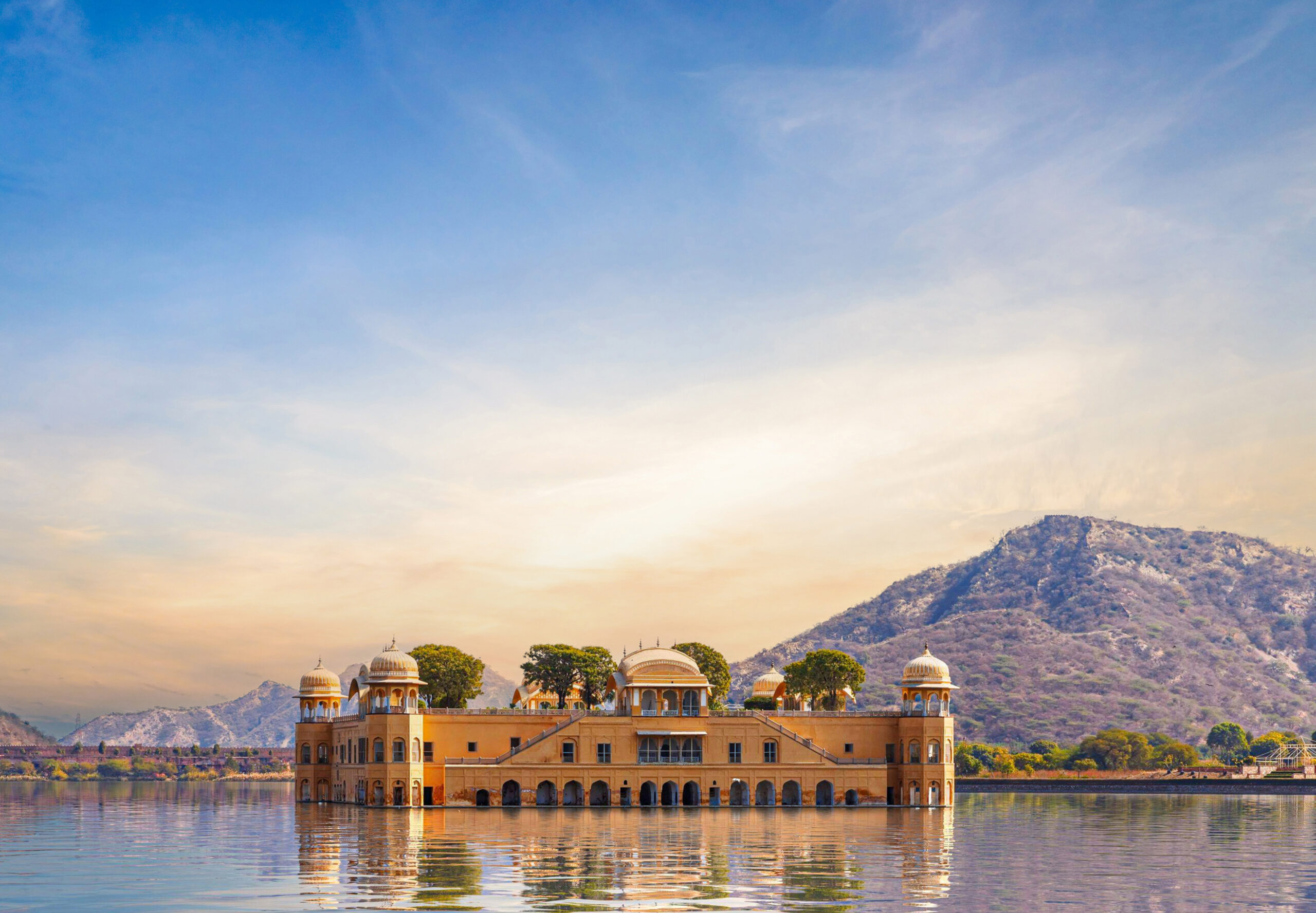
Don’t miss the Jal Mahal, a serene “Water Palace” appearing to float in the center of Man Sagar Lake. It’s a breathtaking spot for photography, especially at sunset when the light reflects off the calm waters.
Amber Fort: History, Architecture, and Visitor Tips
Amber Fort is a must-visit attraction, emphasizing its historical significance and unique blend of Rajput and Mughal architecture. This majestic fort is located 2.2 km from Jaipur city center and attracts over 1 million visitors annually. Its intricate design and sprawling courtyards are a testament to ancient web design principles and architectural mastery. You will find the user interface of the fort’s layout both grand and functional.
The fort’s stunning aesthetic is a direct result of the alliance between the Rajput rulers and the Mughal Empire. This fusion of Islamic and Hindu styles created the iconic arched gateways and mirrored halls seen throughout the palace today.
The fort’s history is deeply intertwined with the Mughal Empire; Raja Man Singh I, who began its construction, was a trusted general of Mughal Emperor Akbar. This alliance fostered a unique architectural harmony that defined the era’s royal aesthetic.
Inside the palace, you must see the Sukh Niwas, or Hall of Pleasure. This ingenious room used a cool breeze blowing over water channels to create a natural, ancient form of air conditioning.
History enthusiasts often associate this region with Jodha Bai, the Amber princess who married Emperor Akbar. Her legacy beautifully illustrates the historical and cultural bridge between the Rajput and Mughal dynasties.
Directly overlooking Amber Fort, Jaigarh Fort is an essential stop for military history enthusiasts. It houses the Jaivana Cannon—once the world’s largest cannon on wheels—and offers a rugged, practical look at the defensive prowess of the Rajput kings.
Amber Fort: Visiting Hours, Ticket Prices, and Guided Tours
Amber Fort is open from 8:00 AM to 5:30 PM. The entry fee is approximately 500 Indian Rupees for foreign visitors and 100 Indian Rupees for Indian nationals. Guided tours are highly recommended to enhance your visitor experience, providing deeper insights into the fort’s history and ensuring you make the most of your trip. Consider adding this to your frontend development of a perfect Jaipur itinerary.
Palace: Entry Fees, Visiting Hours & Cultural Exhibits
Entry to the City Palace costs approximately 300 Indian Rupees for foreign visitors. The best time to visit is from 9:30 AM to 4:30 PM. Cultural performances are regularly held within the palace complex. You will experience traditional music and dance, adding to your cultural immersion.
Best Time to Visit Jaipur & Tips for Planning Your Trip
Choosing the right time to visit Jaipur can significantly enhance your experience. Careful planning ensures a smooth and enjoyable trip, allowing you to confidently navigate this vibrant destination.
The peak tourist season runs from October to March. During these months, temperatures are pleasant, ranging between 8°C and 28°C. This comfortable weather makes exploring the city’s outdoor attractions, like the magnificent Amber Fort, a delight.
The average annual tourist influx during these winter months exceeds 1.2 million visitors. You should book accommodations and tours in advance, especially during this popular period. This ensures you secure your preferred options and avoid last-minute stress.
Consider visiting in the shoulder seasons, such as September or April, for fewer crowds and slightly warmer temperatures. You will still enjoy pleasant weather and often find better deals on travel and lodging, optimizing your serene escape.
To further enhance your trip planning, utilize various frontend development tools and website metadata. This can help you find the best times for cultural exhibits at the City Palace or the optimal hours for shopping at Johari Bazaar. Integrating social media platforms like Facebook and Instagram into your research can also provide real-time updates and user interface insights from fellow travelers.
Getting Around Jaipur: Transportation Options
Navigating Jaipur is straightforward, offering a blend of traditional charm and modern convenience. You can confidently choose from various transportation options to suit your travel style and itinerary.
Many travelers arrive via Delhi, the bustling capital located just five hours away by road. This proximity makes Jaipur a perfect next stop on the classic Golden Triangle circuit, offering a seamless transition from urban energy to royal heritage.
Many travelers pair their Jaipur journey with a visit to Agra, home to the iconic Taj Mahal. This nearby city completes the Golden Triangle, offering a profound look at India’s Mughal architectural legacy.
Auto-rickshaws are a popular and affordable way to explore the Pink City. They provide a quintessential local experience, allowing you to immerse yourself in the city’s vibrant atmosphere. Remember to bargain for fares to ensure you get a fair price.
For those who prefer fixed pricing and convenience, ride-sharing apps like Uber and Ola are widely available. These services offer a reliable way to get around, especially when planning visits to popular attractions such as the Amber Fort, which is 2.2 kilometers from the Jaipur city center and attracts over 1 million visitors annually.
For longer distances or comprehensive day trips, hiring a private car with a driver is an excellent option. This provides comfort and flexibility, allowing you to easily visit multiple heritage sites like the City Palace or Hawa Mahal, or even venture further afield. This choice ensures a serene escape, letting you focus on the beauty of Jaipur without navigation worries.
Rajasthani Cuisine and Top Food Spots in Jaipur
Jaipur’s culinary scene is a vibrant explosion of flavors. You must savor the authentic Rajasthani cuisine, a highlight of your tranquil escape.
Try traditional dishes like Dal Baati Churma, a hearty combination of lentils, baked wheat balls, and a sweet crumble. Laal Maas, a spicy mutton curry, is another local specialty. You will find these and more at various eateries, offering a true taste of the Pink City.
For a fine dining experience, consider restaurants within heritage hotels. These establishments often feature exquisite interior design and provide a serene ambiance. For authentic street food, explore local markets. You will discover delicious snacks and sweets, perfect for a quick bite while you explore.
Local Culture, Festivals, and Traditions in Jaipur
Immerse yourself in Jaipur’s rich local culture. The city is a hub of vibrant festivals and deep-rooted traditions, offering a serene escape into its artistic heritage.
Experience festivals like Diwali, the festival of lights, and Holi, the festival of colors. These events transform the city into a spectacle of joy and celebration. You will witness colorful parades and traditional music, a true reflection of the city’s vibrant spirit. These celebrations are often promoted across social media, including Facebook and Instagram pages, showcasing the city’s lively atmosphere.
The local craftsmanship, from block printing to intricate pottery, reflects centuries of artistic heritage. Visiting local artisans offers a unique cultural insight. You can even try your hand at some crafts, making for a truly memorable experience. This appreciation for traditional arts is a cornerstone of the city’s identity, much like the careful logo design and vector graphics used to represent its cultural institutions.
Travel Tips: Best Times, Dressing Advice, and Safety Tips
To ensure a smooth trip to Jaipur, keep these practical tips in mind. They will help you navigate the Pink City with ease and confidence, making your serene escape truly enjoyable.
Best Time to Visit Jaipur & Tips for Planning Your Trip
The peak tourist season for Jaipur is from October to March. During these months, temperatures are pleasant, ranging between 8°C and 28°C. This period attracts an average annual tourist influx exceeding 1.2 million visitors, making it ideal for exploring sites like Amber Fort and the City Palace. Planning your visit during this time ensures comfortable sightseeing and a vibrant atmosphere.
Dressing Advice for Jaipur
When visiting Jaipur, particularly religious sites like temples or the City Palace, it is essential to dress modestly to show respect for local customs. Opt for lightweight, breathable fabrics such as cotton or linen, especially during warmer months. Long skirts, trousers, and tops that cover your shoulders are advisable. This approach enhances your comfort and cultural immersion.
Safety Tips for a Tranquil Escape
Staying hydrated is crucial, especially when exploring Jaipur during the day. Always carry a water bottle. Be aware of your surroundings, particularly in crowded areas like Johari Bazaar or Bapu Bazaar. Keep your valuables secure and out of sight to prevent any inconvenience.
You will find the locals friendly and helpful, contributing to a reassuring travel experience. Remember, securing your website metadata and using robust frontend development principles are as vital for online presence as these tips are for your physical safety.
Amber Fort: History, Architecture, and Visitor Tips
Amber Fort is a must-visit attraction, emphasizing its historical significance and unique blend of Rajput and Mughal architecture. Located just 2.2 km from Jaipur city center, it attracts over 1 million visitors annually. Its intricate design and stunning views offer a profound cultural experience. Consider a guided tour to fully appreciate its grandeur and history.
Amber Fort: Visiting Hours, Ticket Prices, and Guided Tours
Amber Fort is open daily from 8:00 AM to 5:30 PM. The entry fee is approximately 500 INR for foreigners and 100 INR for Indian citizens. Guided tours are highly recommended to enhance your visitor experience, providing detailed insights into the fort’s history and architectural marvels. These tours can be easily arranged at the entrance, ensuring a comprehensive understanding of this magnificent site.
Markets in Jaipur: Johari Bazaar, Bapu Bazaar & Local Shopping Tips
Jaipur’s markets are a vibrant spectacle. Johari Bazaar is famous for its exquisite jewelry and traditional Rajasthan crafts, boasting over 500 shops. Bapu Bazaar, on the other hand, offers a wide array of textiles and souvenirs, attracting around 200,000 visitors monthly.
The best times for shopping are early mornings or evenings when the markets are bustling yet manageable. Remember to check for secure payment options.
Markets: Unique Local Goods and Price Bargains
When exploring Jaipur’s markets, you will discover unique local goods, including traditional jewelry, vibrant textiles, intricate handicrafts, and charming souvenirs. Bargaining is a common practice and can reduce prices by up to 30-50%. This makes shopping an exciting and authentic experience. These markets are essential for finding genuine local treasures.
Palaces and Heritage Sites in Jaipur (City Palace, Hawa Mahal, Nahargarh)
Jaipur is home to magnificent palaces and heritage sites. The City Palace, spanning 1.6 km², receives over 700,000 visitors annually, showcasing a blend of Rajput and Mughal architecture. Hawa Mahal, with its 953 small windows, is a symbol of Rajput architecture and has attracted over 5 million visitors since opening to the public. Nahargarh Fort offers panoramic views of the city. These sites are pivotal to understanding Jaipur’s rich history and cultural heritage.
Palace: Entry Fees, Visiting Hours & Cultural Exhibits
Entry to the City Palace costs around 300 INR for foreigners. The best time to visit is from 9:30 AM to 4:30 PM. The palace complex regularly hosts cultural performances, offering a deeper insight into Rajasthani traditions. These exhibits provide an evocative experience, allowing you to immerse yourself in the royal history. Just as a well-designed navigation menu guides visitors through a website, these palaces guide you through Jaipur’s past.
Don’t miss Jantar Mantar, a UNESCO World Heritage site and home to the world’s largest stone sundial. This 18th-century astronomical observatory remains a functional marvel of precision and Rajput intellect.
Top Sightseeing and Hidden Gems in Jaipur
Beyond the main attractions, Jaipur holds many hidden gems. These offer unique perspectives and tranquil escapes.
Consider visiting the Albert Hall Museum, a magnificent Indo-Saracenic architectural marvel. It houses a vast collection of artifacts. You will be amazed by its intricate design.
For a peaceful retreat, explore the serene Sisodia Rani Garden and Palace. Its terraced gardens and murals are a delight. You can enjoy a quiet afternoon amidst nature.
For a meaningful connection with nature, visit a local Elephant Sanctuary. These ethical spaces offer a reassuring and practical way to interact with rescued animals through feeding and washing, away from the typical tourist crowds.
Just like a well-designed navigation menu guides you through a website, these elements guide you through Jaipur’s treasures.
Consider how a search on a travel website helps you find specific locations. Similarly, knowing about these hidden gems allows you to delve deeper.
Comparing Jaipur’s Main Attractions
To help you plan your itinerary for a tranquil escape, here is a comparison of Jaipur’s primary attractions. This guide ensures you feel confident in your travel decisions.
Amber Fort: History, Architecture, and Visitor Tips
The magnificent Amber Fort stands as a testament to Rajput and Mughal architecture. Located just 2.2 km from Jaipur city center, this historical marvel attracts over 1 million visitors annually. Its intricate design and historical significance make it a must-visit. You can even enjoy elephant rides, adding a unique charm to your experience.
Amber Fort: Visiting Hours, Ticket Prices, and Guided Tours
Amber Fort is open daily from 8:00 AM to 5:30 PM. The approximate entry fee for foreigners is 500 Indian Rupees (INR), while Indian citizens pay 100 INR. To truly immerse yourself in the fort’s rich history, guided tours are highly recommended. These tours enhance your understanding and provide valuable insights into the past.
Palaces and Heritage Sites in Jaipur (City Palace, Hawa Mahal, Nahargarh)
Jaipur is home to several iconic palaces and heritage sites. The sprawling City Palace, covering 1.6 square kilometers, attracts over 700,000 visitors annually. It serves as a royal residence, housing museums and beautiful courtyards.
The Hawa Mahal, or Palace of Winds, with its 953 small windows, is a distinctive symbol of Rajput architecture. Since opening to the public, it has welcomed over 5 million visitors. Nahargarh Fort offers panoramic views of the Pink City, serving as a historical defense point and a popular spot for sunset viewing.
Palace: Entry Fees, Visiting Hours & Cultural Exhibits
The City Palace entry fee for foreigners is approximately 300 INR. You can visit from 9:30 AM to 4:30 PM. Don’t miss the regular cultural performances held within the palace complex, offering a glimpse into Rajasthan’s vibrant traditions. For Hawa Mahal, the entry fee is around 50 INR, and it is open from 9:00 AM to 5:00 PM. Nahargarh Fort, with an entry fee of 200 INR, welcomes visitors from 10:00 AM to 5:30 PM.
Markets in Jaipur: Johari Bazaar, Bapu Bazaar & Local Shopping Tips
Jaipur’s markets are a vibrant spectacle. Johari Bazaar, famous for its exquisite jewelry and traditional Rajasthan crafts, boasts over 500 shops. Bapu Bazaar is your go-to for textiles, leather goods, and souvenirs, attracting around 200,000 visitors monthly. The best times for shopping are early mornings or evenings, allowing you to avoid the midday rush and fully enjoy the experience.
Markets: Unique Local Goods and Price Bargains
When exploring Jaipur’s bustling markets, you’ll find an array of unique local goods, including traditional jewelry, vibrant textiles, intricate handicrafts, and charming souvenirs. A key tip for market-goers: don’t shy away from bargaining. You can often reduce prices by up to 30-50%, making your shopping experience even more rewarding. These markets are essential for authentic shopping and give you a true feel for the local culture.
Best Time to Visit Jaipur & Tips for Planning Your Trip
The peak tourist season in Jaipur runs from October to March, offering pleasant temperatures between 8°C and 28°C. During these winter months, the average annual tourist influx exceeds 1.2 million visitors. Planning your trip during this period ensures comfortable sightseeing. Remember to consider factors like website metadata for planning, and perhaps check out YouTube for virtual tours to get an idea of what to expect.
| Attraction | Key Features | Approximate Entry Fee (Foreigners) | Visiting Hours |
|---|---|---|---|
| Amber Fort | Rajput-Mughal architecture, historical significance, elephant rides | 500 INR | 8:00 AM – 5:30 PM |
| City Palace | Royal residence, museums, courtyards, cultural performances | 300 INR | 9:30 AM – 4:30 PM |
| Hawa Mahal | 953 windows, unique facade, cultural symbol | 50 INR | 9:00 AM – 5:00 PM |
| Nahargarh Fort | Panoramic views, historical defense, sunset point | 200 INR | 10:00 AM – 5:30 PM |
| Johari Bazaar | Jewelry, gemstones, traditional crafts | Free (shopping costs vary) | 10:00 AM – 8:00 PM |
| Bapu Bazaar | Textiles, leather goods, souvenirs | Free (shopping costs vary) | 10:00 AM – 8:00 PM |
“Jaipur is a vibrant tapestry of history, culture, and color. Every corner reveals a story, every market a treasure.” This sentiment echoes the experience you’ll find, making it a perfect destination for tranquil escapes and inner peace, a core focus of Relax Kanda. For more travel inspiration, consider following our Instagram for visual guides and tips on wellness and travel.
Frequently Asked Questions
What are the best things to do in Jaipur?
You must visit the magnificent Amber Fort, a testament to Rajput and Mughal architecture, located just 2.2 km from Jaipur city center. Explore the grand City Palace, which spans 1.6 square kilometers, and the iconic Hawa Mahal with its 953 small windows.
Immerse yourself in the bustling markets like Johari Bazaar, famous for jewelry and traditional crafts with over 500 shops, and Bapu Bazaar, offering textiles and souvenirs to around 200,000 visitors monthly. Don’t forget to enjoy authentic Rajasthani cuisine for a complete cultural experience.
When is the best time to visit Jaipur?
The ideal time for your tranquil escape to Jaipur is from October to March. During this period, the weather is pleasant, with temperatures comfortably ranging from 8°C to 28°C. This comfortable climate is perfect for sightseeing and enjoying the city’s attractions, drawing an average annual tourist influx exceeding 1.2 million visitors during these winter months.
How can I get around Jaipur?
You have several convenient options for navigating Jaipur. You can utilize auto-rickshaws, popular ride-sharing apps like Uber and Ola, or opt for the comfort of hiring a private car with a driver. Each option offers flexibility and convenience, allowing you to tailor your travel plans to your preferences for a seamless experience.
What should I buy in Jaipur?
Jaipur is a shopper’s paradise. It is renowned for its exquisite jewelry, especially precious gemstones, and traditional textiles. Seek out unique handicrafts, high-quality leather goods, and memorable souvenirs. Remember that bargaining is a common practice and is expected in the vibrant markets, potentially reducing prices by up to 30-50% for popular items like traditional jewelry and textiles.
Is Jaipur safe for tourists?
Jaipur is generally considered safe for tourists. We recommend exercising common sense, particularly in crowded areas, and always keeping a watchful eye on your belongings. You will find the local residents welcoming and helpful, contributing to a reassuring and positive travel experience.
This comprehensive guide has equipped you with the knowledge to plan an unforgettable trip to Jaipur. From historical grandeur to vibrant markets, the Pink City awaits your exploration.
When planning your itinerary, remember that all local train schedules and monument opening hours follow Indian Standard Time (IST). Staying synchronized with the local clock ensures you arrive at the Amber Fort just as the gates open for the morning light.
Leave a Reply