
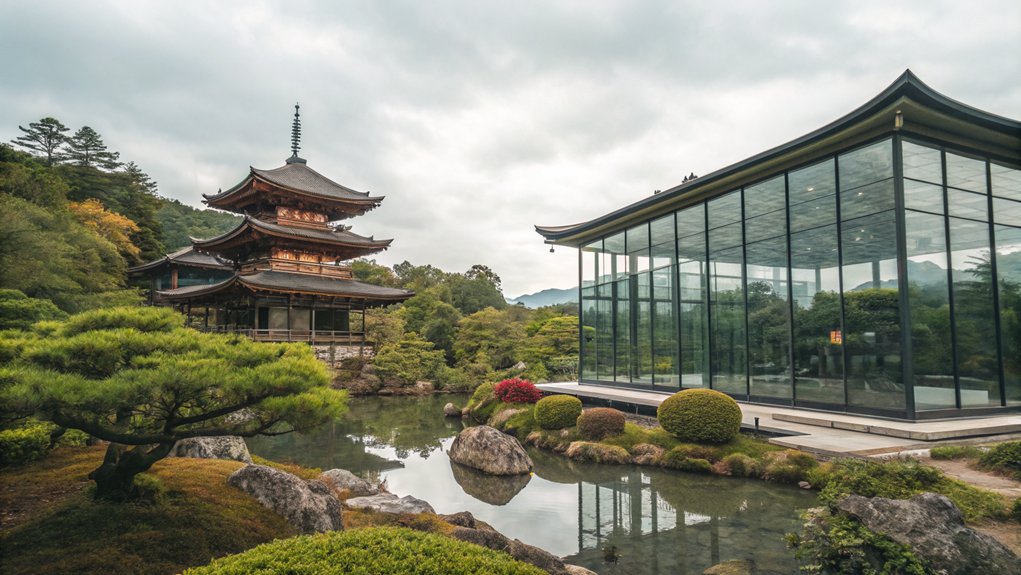
If you’re considering solo travel in Japan, you’re in for an enriching experience. Geared with an understanding of local customs and etiquette, like the art of bowing and the nuances of personal space, you’ll find that connections here can be profound. Maneuvering the public transport system is also essential for exploring this vibrant country. But what’s the best way to approach your itinerary and make the most of your time? Let’s explore.
Key Takeaways
- Embrace Japan’s welcoming culture by exploring independently and forming genuine connections in local cafes and eateries.
- Familiarize yourself with important cultural etiquette, such as bowing and respecting personal space, to enhance interactions.
- Utilize the extensive train network and consider a JR Pass for budget-friendly travel across the country.
- Always carry cash for small purchases, especially in rural areas where card payments may not be accepted.
- Prioritize safety by securing belongings, being aware of your surroundings, and learning basic Japanese phrases for effective communication.
The Unique Benefits of Solo Travel in Japan
When you commence a solo journey through Japan, you’ll discover a welcoming culture that celebrates independence and self-exploration.
Dining and exploring alone isn’t just accepted; it’s encouraged, as seen in shows like “Solitary Gourmet.” You’ll appreciate Japan’s strong safety record, allowing you to roam freely with peace of mind.
Interacting with locals often leads to genuine connections, especially in cozy coffee shops and counter dining spots where conversations spark.
Affordable accommodations, like guesthouses and business hotels, cater specifically to solo travelers, ensuring you have everything you need without unnecessary costs.
Embrace the freedom to chart your own course while experiencing the warmth and hospitality unique to Japan. Your adventure awaits!
What You Need to Know About Cultural Etiquette as a Solo Traveler
As a solo traveler in Japan, it’s essential to respect personal space and observe proper dining etiquette.
Make sure you keep a polite distance when interacting with others and avoid loud conversations in public.
Additionally, mastering the dining customs can enhance your experience and help you connect with the culture.
Respect For Personal Space
Understanding and respecting personal space in Japan can greatly enhance your solo travel experience, especially since physical distance is a valued aspect of the culture.
You’ll notice that in public settings, people maintain a comfortable distance during interactions. Keep your voice down and avoid loud conversations to honor the calm demeanor that reflects respect for others’ privacy.
When using public transportation, stick to designated areas and form orderly lines, which helps maintain everyone’s personal space.
In social situations, such as traditional settings, remember that bowing acknowledges respect and reinforces boundaries.
Proper Dining Etiquette
Traveling through Japan’s dining culture requires a thoughtful approach to etiquette, so knowing the basics will help you enjoy meals without any missteps.
Start by using the oshibori, a wet towel, to wash your hands before eating, and place it neatly beside your dining area when you’re done.
When enjoying sushi, make sure to eat it in one bite and limit soy sauce to maintain the flavors.
If you’re sharing dishes, leave them as you found them, ready for the server.
Remember, eating while walking is frowned upon; always enjoy your food at designated dining areas or while seated.
Finally, folding your wet towel neatly signals that you’ve finished using it and shows respect for the establishment.
Navigating Japan’s Public Transport: Tips for Efficient Travel
Japan boasts one of the world’s most efficient public transport systems, making it easy for you to explore the country.
To navigate like a pro, keep these tips in mind:
- Use the JR Pass: If you plan on visiting multiple cities, grab the JR Pass for unlimited travel on JR trains, including the speedy Shinkansen.
- Leverage Technology: With English signage in most stations and Google Maps for real-time guidance, you won’t feel lost.
- Have Cash Ready: While ticket machines offer English options, cash is still the preferred payment in many rural areas, so don’t forget to carry yen.
With punctual and clean services, you’ll experience a smooth and safe journey throughout Japan!
Top Dishes Every Solo Adventurer Should Try in Japan
When you’re exploring Japan on your own, trying the local cuisine is a must. From street food like yakitori and takoyaki that bring communities together to regional specialties like fresh sushi in Tsukiji and savory okonomiyaki in Osaka, there’s so much to savor.
Each dish promises a delicious experience that adds flavor to your solo adventure.
Must-Try Street Foods
You won’t want to miss out on the incredible street foods that await you in bustling Japanese cities.
These tasty treats capture the essence of Japan’s culinary culture. Here are three must-tries:
- Yakitori – Skewered grilled chicken seasoned to perfection, it’s a favorite in izakayas and food stalls.
- Takoyaki – These delicious bite-sized octopus balls are drizzled with savory sauce and topped with bonito flakes, making them a popular Osaka snack.
- Okonomiyaki – A savory pancake packed with ingredients like cabbage and meat, this dish varies regionally, especially between Hiroshima and Osaka.
Don’t forget to grab some gyoza or nikuman while you’re at it.
Enjoy exploring the diverse flavors waiting for you!
Regional Specialties To Savor
Travelers will discover an incredible array of regional specialties throughout the country, each dish telling a unique story of its origin.
In Gifu, savor Hida beef, known for its marbling and tenderness—perfect for meat lovers.
Head to Kanazawa for jibuni, a delicious duck dish simmered with vegetables in a rich broth, highlighting local flavors.
In Nagoya, don’t miss hitsumabushi, featuring grilled eel served over rice, which you can enjoy in three ways: plain, with condiments, or in broth.
In Takasaki, treat yourself to yaki-manju, a sweet grilled bun filled with red bean paste.
Plus, indulge in regional ramen styles, like tonkotsu in Fukuoka and shoyu in Tokyo, each offering its own taste adventure.
How to Stay Safe While Traveling Solo in Japan
While Japan is celebrated for its low crime rate and welcoming atmosphere, staying safe during your solo adventure is still important. Here are some tips to keep in mind:
- Secure Your Belongings: Always keep your valuables close and avoid displaying expensive items or jewelry, as petty theft can happen, even if it’s rare.
- Use Local Assistance: Don’t hesitate to ask locals for help or directions. They’re often more than willing to assist you, enhancing your travel experience.
- Trust Your Instincts: Stay aware of your surroundings and listen to your gut feelings in social situations. Trusting yourself can help you steer clear of potential risks.
Top Spots for Solo Dining and Making Connections
Exploring Japan alone opens up a world of culinary delights and opportunities for connection, especially in the inviting atmosphere of local dining spots. Local coffee shops, or kissaten, create a welcoming environment where you can chat with baristas who often share insider tips on attractions and personal stories.
Dining at restaurant counters encourages easy interactions with staff and fellow diners, perfect for forging spontaneous connections. Popular shows like “Solitary Gourmet” celebrate the joy of solo dining, reflecting its acceptance in Japanese culture.
Unique animal cafés, such as cat or owl cafés, offer cozy settings to enjoy drinks and friendly conversations. Finally, off-the-beaten-path locations like Kichijoji buzz with life, paving the way for meaningful interactions with locals and fellow travelers.
How Long Should Your Japan Itinerary Be?
How long do you plan to soak in the wonders of Japan? To truly experience what Japan has to offer, consider the following itinerary lengths:
- Two Weeks: This option allows you to immerse yourself in both Tokyo and Kyoto, plus nearby attractions such as Osaka and Nara for a rich cultural and culinary adventure.
- One Week: Short on time? You can divide your week between Tokyo and Kyoto, incorporating day trips to iconic spots like Kamakura and Nikkō.
- Seasonal Considerations: If you’re visiting in spring or autumn, extend your stay for the cherry blossoms or vibrant foliage, but keep in mind potential delays due to fluctuating weather patterns.
Plan accordingly to make the most of your Japanese getaway!
Frequently Asked Questions
What Are Common Misconceptions About Solo Travel in Japan?
Many think solo travel in Japan is unsafe or lonely. In reality, it’s welcoming and full of opportunities to connect. You’ll find locals enthusiastic to help, and numerous options for social interaction and exploration.
How Can Solo Travelers Connect With Locals in Japan?
You can connect with locals in Japan by joining local classes, participating in community events, using language exchange apps, and striking up conversations in cafes or shops. Embrace curiosity, and you’ll find warm connections everywhere!
Are There Specific Apps Useful for Solo Travelers in Japan?
Yes, use apps like Google Maps for navigation, Meetup to find local events, and HelloTalk for language exchange. They’ll make connecting easier and enhance your experience as you explore Japan on your own.
What Unique Solo Travel Experiences Can I Find Outside Major Cities?
You’ll discover serene countryside temples, traditional ryokans, and stunning hiking trails. Engage with locals at small festivals, savor homemade cuisine, and find peaceful moments in nature and quaint villages, enriching your solo adventure outside Japan’s bustling cities.
How Do I Manage Language Barriers While Traveling Alone in Japan?
You can manage language barriers by learning basic phrases, using translation apps, and carrying a phrasebook. Locals often appreciate your effort, and non-verbal communication, like gestures, can bridge gaps when words fail.
Leave a Reply