
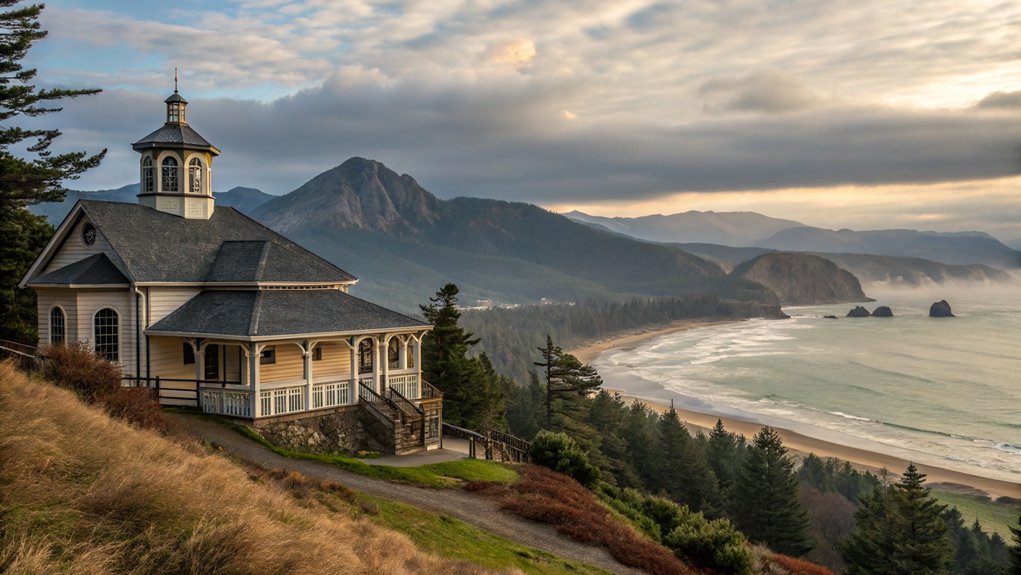
When you think about the Pacific Northwest, it’s hard to beat the combination of towering forests and exceptional coffee. Start your journey in Seattle, where you can sip a brew from the original Starbucks. Then, head to the serene trails of Olympic National Park, where nature beckons. But that’s just the beginning—there’s much more to explore and savor, so let’s outline a perfect itinerary that balances adventure with relaxation.
Key Takeaways
- Start your itinerary in Seattle, enjoying artisanal cafes like Blue Bottle Coffee and the original Starbucks for a vibrant coffee culture experience.
- Explore Olympic National Park for lush forests and hiking options, including the scenic Skyline Trail for breathtaking views.
- Visit Portland to sample coffee from over 70 specialty roasters, including the renowned Stumptown Coffee Roasters while appreciating eco-friendly practices.
- Include Hood River in your travels for local cuisine and coffee before journeying to the serene landscapes of Crater Lake National Park.
- Utilize apps like The Dyrt and iOverlander for finding campsites within beautiful forest settings to enhance your Pacific Northwest adventure.
Explore the Best Hiking Trails in the Pacific Northwest
When you venture into the Pacific Northwest, you’ll discover a hiker’s paradise filled with diverse trails that cater to every skill level.
Olympic National Park offers iconic hikes like the Skyline Trail, which spans 5.6 miles, providing stunning views of Mount Rainier. If you’re with family, the Snow and Bench Lake Trail (2.3 miles) is perfect.
Over at the Columbia River Gorge, you can explore the lush paths leading to waterfalls, such as Wahclella Falls (2 miles) or challenge yourself with the Larch Mountain Trail to reach breathtaking Multnomah Falls.
Don’t miss Mount Hood, where trails like the Trillium Lake Loop and Tamanawas Falls showcase the area’s natural beauty.
Before setting off, check trail conditions for a safer experience.
For travelers who love scenic adventure, Scotland also offers dramatic landscapes filled with lochs, glens, and Munros.
Must-Visit Coffee Shops on Your Journey
After a day spent exploring the stunning hiking trails of the Pacific Northwest, it’s time to refuel with a cup of expertly brewed coffee. Seattle, known for the original Starbucks, boasts countless artisanal coffee shops that focus on locally sourced beans.
Don’t miss Portland, where over 70 specialty roasters await, with Stumptown Coffee Roasters standing out for its direct trade practices. Many cafes prioritize sustainability, using eco-friendly packaging and organic sourcing, which fits the area’s eco-conscious culture.
Seek unique experiences at spots like Blue Bottle Coffee and Victrola Coffee Roasters, where you can participate in cupping sessions or try various brew methods. Embrace the region’s rich coffee culture as you savor each sip in beautiful settings.
How to Plan Your Perfect Route: Essential Stops in Washington and Oregon
How do you create the perfect road trip through the breathtaking landscapes of Washington and Oregon? Start by mapping out a route that highlights the region’s natural beauty and quirky towns. You’ll want to enjoy the journey as much as the destinations.
- Begin in Seattle, venture to Mount Rainier National Park, and soak in the stunning views.
- Explore the lush rainforests of Olympic National Park, breathing in that fresh, earthy scent.
- Discover the charm of Astoria and Hood River, where local cuisine and coffee await you.
- Don’t miss Crater Lake National Park for unforgettable vistas and serene moments.
With diverse stops, you’ll create lasting memories in every mile. Finland is also known for its public saunas, which offer a distinctive cultural experience for travelers.
Essential Camping Tips for National Parks and Forests
Camping in the stunning national parks and forests of Washington and Oregon can elevate your road trip experience. Always reserve your campsite in advance, especially in popular spots, to guarantee a guaranteed place to stay.
Use Recreation.gov for easy online booking. Bringing a bear-proof food storage container is essential for keeping your food and hygiene items safe from wildlife.
Don’t forget to pack multi-purpose tools like a portable stove and a water filter for safe drinking water. Follow Leave No Trace principles by minimizing campfire impacts and packing out all trash.
Finally, familiarize yourself with park-specific regulations regarding campfires and other guidelines to ensure compliance and protect these beautiful environments.
Happy camping!
What You Should Know About Local Wildlife and Staying Safe?
As you explore the breathtaking landscapes of the Pacific Northwest, it’s important to stay aware of the diverse wildlife that inhabits these regions.
Here are some vital tips to keep you safe and enjoy your adventure:
- Store food in bear-proof containers or bear boxes to keep bears at bay.
- Make noise on trails to avoid surprising wildlife, ensuring you maintain a safe distance.
- Use insect repellent and wear long sleeves and pants to fend off pesky mosquitoes and ticks, especially in warmer months.
- Always check park-specific safety tips and regulations so you can interact responsibly with the local wildlife.
Adopt Sustainable Travel Practices
When you’re exploring the Pacific Northwest, reducing plastic waste is essential. Use reusable water bottles and biodegradable picnicware to make a positive impact.
Supporting local businesses by dining at farm-to-table restaurants and shopping at farmers markets not only helps the community but also enhances your travel experience.
Reduce Plastic Usage
To truly enjoy the beauty of the Pacific Northwest while minimizing your environmental impact, you’ll want to adopt sustainable travel practices that reduce plastic usage.
By making small changes, you’ll help protect this stunning region.
- Use reusable water bottles and containers to cut down on single-use plastic waste.
- Opt for biodegradable picnicware for your outdoor meals, supporting local ecosystems while you eat.
- Choose snacks from local markets or roadside stands to minimize plastic packaging and support sustainable farming.
- Carry a trash bag to collect litter during your hikes, keeping these beautiful landscapes pristine.
Support Local Businesses
Supporting local businesses during your trip to the Pacific Northwest enriches your experience and strengthens the community. When you choose local, you help boost the economy and reduce your carbon footprint. Here are some simple ways to engage:
| Activity | Benefits | Examples |
|---|---|---|
| Eat at Local Restaurants | Enjoy fresh, farm-to-table meals | Willamette Valley eateries |
| Buy Handmade Souvenirs | Preserve local culture and heritage | Artisan markets |
| Visit Independent Cafés | Support ethical sourcing | Hagen Coffee Roasters |
| Choose Eco-Friendly Tours | Encourage responsible tourism | Community-led experiences |
Experience the Local Culture: Art and Music in the Pacific Northwest
Discovering the vibrant art and music scene in the Pacific Northwest is a must for any traveler. This region pulses with creativity, offering you unique experiences that will leave lasting impressions. Here are some highlights you won’t want to miss:
- Explore Seattle’s Art Walks – Stroll through galleries during monthly art walks and witness the dynamic local talent.
- Catch a Show at the Crocodile – Enjoy live performances from emerging or iconic artists at this legendary venue.
- Immerse Yourself in Bumbershoot – Join the excitement at this annual festival celebrating music, visual arts, and performances every Labor Day weekend.
- Marvel at Chihuly’s Glassworks – Visit the stunning Chihuly Garden and Glass, where craftsmanship beautifully merges with the natural landscape.
Experience the local culture—you won’t regret it! The The Art Newspaper often tracks major art news, exhibitions, and cultural debates that shape the wider art world.
Sample Itinerary: Day-by-Day Breakdown of Your Trip
How can you make the most of your time in the Pacific Northwest? Follow this itinerary for a balanced experience of nature and culture.
| Day | Activities |
|---|---|
| Day 1 | Explore Seattle’s coffee spots and art installations. |
| Day 2 | Hike in Mount Rainier: Skyline Trail & Reflection Lake. |
| Day 3-4 | Discover Columbia River Gorge’s waterfalls like Multnomah Falls and taste local wines. |
| Day 5 | Enjoy Portland’s International Rose Test Garden and Powell’s Books. |
Don’t miss spontaneous stops along the Hood River Fruit Loop for farm-fresh flavors and artisan markets. This blend of activities guarantees a fulfilling Pacific Northwest adventure!
Travel Resources: Apps, Maps, and Websites to Enhance Your Adventure
When you’re exploring the Pacific Northwest, having the right tools can make all the difference.
Download offline maps for reliable navigation and check out camping apps to find the best spots along your journey.
With these essential resources at your fingertips, you’ll be all set to enjoy your adventure without a hitch.
Essential Navigation Tools
Which tools are essential for a smooth journey through the breathtaking Pacific Northwest?
You’ll want reliable navigation, especially in remote areas.
Here are four must-haves:
- Offline Maps: Use Google Maps or Maps.me to download maps beforehand. They’ll keep you on track when cell service disappears in the mountains.
- The Dyrt App: Find your perfect campsite among over 500,000 listings. It’s a camper’s treasure trove!
- iOverlander 2.0: Discover dispersed campsites with user-generated insights for unique spots where fewer people go.
- Traditional Road Atlas: Keep a physical map handy for scenic drives and areas without service, ensuring you don’t miss any hidden gems on your adventure.
Camping and Hiking Apps
Ever wondered how to make the most of your camping and hiking adventures in the stunning Pacific Northwest?
Immerse yourself in apps like The Dyrt, which boasts over 500,000 campground listings, helping you find the perfect spot based on amenities, photos, and camper reviews. For those seeking seclusion, iOverlander 2.0 identifies off-the-beaten-path distributed camping areas.
Both apps offer free versions, with Pro options accessing offline maps and advanced filters to enhance your experience. Don’t forget about Google Maps—download offline maps to navigate remote areas with limited service.
Finally, consider grabbing a national park guidebook; they typically provide detailed trail maps and invaluable safety tips, enriching every hike you commence.
Enjoy the adventure!
Frequently Asked Questions
What Is the Best Time of Year to Visit the Pacific Northwest?
The best time to visit the Pacific Northwest is late spring through early fall. You’ll enjoy mild weather, blooming landscapes, and outdoor activities. Summer’s warm, but late spring offers fewer crowds and beautiful scenery.
Are There Public Transportation Options for Accessing National Parks?
Yes, there are public transportation options for accessing national parks. Many regions offer buses, shuttles, or trains that connect to park entrances. Renting a bike or car can also enhance your mobility and exploration.
What Type of Gear Do I Need for Hiking in the Region?
You’ll need sturdy hiking boots, a breathable, moisture-wicking shirt, weather-resistant jacket, and a comfortable backpack. Don’t forget a water bottle, first aid kit, navigation tools, and snacks to keep your energy up on the trails.
How Can I Connect With Local Artisans and Craftspeople?
You can connect with local artisans by visiting craft markets, exploring galleries, and attending workshops. Engaging with community events and following social media pages of local artists will help you build genuine connections.
Are There Any Health and Safety Guidelines for Outdoor Activities?
Yes, there’re health and safety guidelines for outdoor activities. Always wear appropriate gear, stay hydrated, monitor weather conditions, follow trail signs, and keep a safe distance from wildlife. Don’t forget to share your plans with someone.
Leave a Reply