
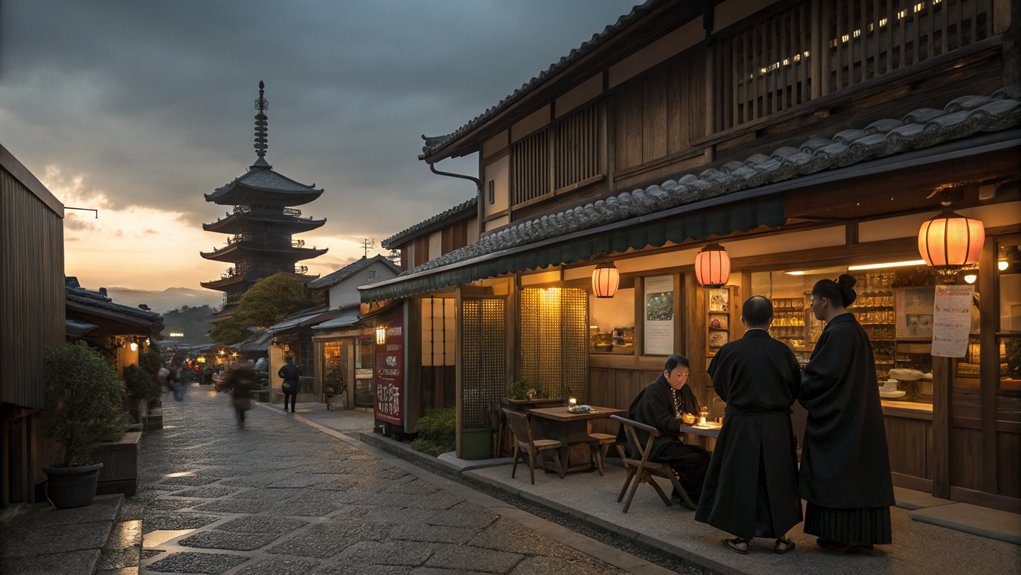
When you’re 19, solo travel can open doors to experiences that shape who you are. You’ll discover new cultures and build confidence as you navigate unfamiliar places. Each adventure pushes you out of your comfort zone, teaching skills that are invaluable in life. As you embrace independence, you might find yourself questioning what truly makes a journey meaningful. So, what’s the first step to starting this transformative experience?
Key Takeaways
- Embrace independence by planning your itinerary, which builds confidence and enhances your planning skills for future adventures.
- Choose budget-friendly destinations, like Southeast Asia or Eastern Europe, ensuring a daily budget of $50-$100 for meals and activities.
- Stay in hostels or shared accommodations to meet fellow travelers and create opportunities for social interaction during your trip.
- Familiarize yourself with local customs and key language phrases to enhance communication and cultural understanding while traveling solo.
- Reflect on your experiences through journaling, which helps document personal growth and prepares you for future travels.
Why Solo Travel Is Ideal for Young Adults
Solo travel at 19 can be a game-changer for young adults looking to carve their own paths. It fosters independence by allowing you to make decisions without the influence of friends or family, teaching you personal responsibility.
You’ll find it’s also cost-effective; you can choose budget-friendly accommodations and activities that suit your tastes and wallet. Traveling alone boosts your confidence and hones valuable life skills like planning, organization, and navigation.
Many destinations cater to solo travelers, offering cultural experiences and easy-to-navigate activities. Engaging with locals and fellow adventurers enhances your interpersonal skills while creating lasting memories.
This transformative experience can truly shape your outlook on life and empower you to embrace new challenges. For more inspiration, gluten-free travel stories show how solo journeys can adapt to different needs and still be deeply rewarding.
Understanding Local Customs and Cultural Norms
When you travel alone, understanding local customs and cultural norms becomes essential for making meaningful connections. Start by familiarizing yourself with greeting practices, dining etiquette, and dress codes for specific sites. Knowing these helps you blend in and avoid unintentional disrespect. Additionally, pay attention to personal space preferences and punctuality—these can greatly impact your interactions. Singapore’s cultural heritage adds depth to everyday encounters, from heritage neighborhoods to local festivals.
| Aspect | Tip |
|---|---|
| Language | Learn key phrases like greetings |
| Tipping Practices | Research local tipping customs |
| Respectful Attire | Dress appropriately for religious sites |
Packing Essentials for Your Chosen Destination
Packing for your first solo trip can feel a bit challenging, but focusing on the essentials will make it easier.
Start with versatile clothing that can be layered, especially if you’re heading to destinations with diverse climates like California or Costa Rica. A durable daypack is a must, perfect for carrying water, snacks, and your camera during outdoor activities in places like New Zealand or Peru.
Don’t forget a portable charger to keep your devices powered for navigation and staying connected. A basic first-aid kit provides peace of mind, especially while hiking in remote areas.
Finally, pack a reusable water bottle; staying hydrated is vital, particularly in warm locales like Mexico or Vietnam where you’ll be spending long hours outdoors.
For added convenience, consider arranging reliable drivers and transportation options before you arrive in Costa Rica.
How to Budget for Solo Travel
Traveling independently can be liberating, but managing your finances effectively is key to a successful experience. Start by determining your overall travel budget, which should cover accommodations, meals, transportation, activities, and emergency funds.
Aim for a daily budget between $50-$100 for affordable destinations. Use budgeting apps or spreadsheets to track expenses in real-time, helping you avoid overspending.
Choose budget-friendly locations, like Southeast Asia or Eastern Europe, where your money goes further. To save even more, consider staying in hostels, using public transportation, and dining at local markets.
Finally, set aside about 10-15% of your total budget for unexpected expenses to guarantee you’re prepared for any last-minute changes or activities that may arise.
For extra inspiration, Time Out’s top travel inspiration often highlights unique, budget-friendly experiences that go beyond mainstream tourist attractions.
How to Connect With Other Travelers
Connecting with other travelers can enhance your solo journey, making it even more memorable. Consider joining group activities or local tours, like hikes or walking excursions, where you’ll meet fellow explorers.
Staying in hostels or shared accommodations is another great option; communal spaces foster connections with other solo adventurers. Attend events or workshops, such as cooking classes, to meet people with similar interests while learning something new.
Don’t forget to utilize social media and travel apps like Meetup or Couchsurfing to discover gatherings tailored for travelers.
Finally, engage with others at cafes or popular spots—starting conversations about your experiences can lead to new friendships and exciting shared plans. Embrace every opportunity to connect!
When traveling alone, it also helps to choose places with female-friendly accommodations and pay attention to local safety tips before meeting new people.
Navigating Cultural Differences
While beginning your solo adventure at 19, understanding cultural differences can greatly enhance your travel experience. Researching local customs, such as dress codes and greeting forms, helps you avoid unintentional offenses. Learning a few key phrases in the local language fosters goodwill and deeper connections. It’s also essential to familiarize yourself with local laws, which can differ markedly from your home country. Consider engaging with local guides or cultural immersion programs for support and insights into the community. Lithuania’s regional diversity makes it especially rewarding to learn how traditions can vary from one area to another.
| Aspect | Dos | Don’ts |
|---|---|---|
| Dress Code | Dress modestly, respect local styles | Wear revealing clothing |
| Greeting | Use local greetings | Avoid physical contact if not customary |
| Tipping | Follow local tipping practices | Tip excessively or under-tip |
| Dining Etiquette | Wait for the host to start | Start eating before others |
| Language | Learn common phrases | Assume everyone speaks English |
Top Solo Activities for Engaging Travel Experiences
Exploring a new culture opens up a world of opportunities for solo travelers. Engaging in local classes, like cooking or dance, not only immerses you in your destination’s culture but also helps you meet new people.
Consider joining guided tours that focus on history, nature, or cuisine; these usually cater to solo travelers and foster social connections.
Solo-friendly activities, such as hiking in national parks, provide physical challenges and stunning scenery for introspection. Participating in group events like pub crawls or city scavenger hunts can create a sense of community and make it easier to forge friendships.
Finally, visiting local museums or community events enriches your understanding and connects you with locals, enhancing your overall travel experience.
Using Tech to Make Travel Easy
Traversing new destinations is effortless when you take advantage of technology. Use navigation apps like Google Maps or Citymapper to get real-time directions and public transport options, helping you explore confidently.
If you’re heading to a non-English speaking country, download translation apps like Google Translate to communicate better and enrich your experience.
For lodging, accommodation booking apps like Airbnb or Hostelworld offer safe and affordable options, complete with user reviews for assurance.
Organize your travel plans using apps like TripIt, which centralizes your itineraries and documents for easy access.
Plus, stay connected with family and friends through messaging apps like WhatsApp or Facebook Messenger, ensuring you always have a support system while you’re on your adventures.
Practical Tips for First-Time Solo Travelers
If you’re heading out on your first solo adventure, practical tips can make all the difference in ensuring a smooth experience. Start by choosing walkable destinations with good public transportation, like San Diego or Portland.
Prioritize safety by opting for low-crime areas, such as Iceland or New Zealand, where solo travel is common. To enhance social opportunities, stay in hostels and participate in group activities.
Consider planning a short trip, like a long weekend, to ease into solo travel and adjust at your own pace.
Finally, carry a solo travel survival kit with essentials like a portable charger, snacks, and a guidebook to help you navigate new places comfortably.
Happy travels!
Reflecting on Your Experience Upon Return
Returning home after a solo trip offers an invaluable chance to reflect on your journey. You’ll discover how much you’ve grown, gaining confidence and independence as you navigated unfamiliar places alone.
Here are a few ways to deepen your reflection:
- Journal Your Thoughts: Write down your experiences to better understand the challenges you faced and the triumphs you achieved.
- Evaluate Your Destinations: Consider which places moved you most—was it the culture, the cuisine, or the stunning landscapes?
- Share Your Stories: Talk with friends or family about your adventures; this not only reinforces your reflections but encourages others to take the plunge into solo travel themselves.
Use these insights to prepare for even more enriching experiences in the future.
Frequently Asked Questions
Is $5000 Enough for a Trip?
Yes, $5,000 can definitely be enough for a trip. If you plan wisely, focusing on budget accommodations and activities, you’ll likely enjoy a fulfilling experience without breaking the bank. Prioritize your spending!
Why Is Gen Z Obsessed With Traveling?
You’re drawn to travel because it offers unique experiences and personal growth. Social media fuels your desire for adventure, while the independence gained from solo journeys boosts your confidence and aligns with your values for sustainability.
At What Age Do People Start Solo Travelling?
Most people start solo traveling in their late teens to early twenties, often around age 19. It’s a prime time for exploration, independence, and personal growth as you navigate new experiences on your own.
Leave a Reply