
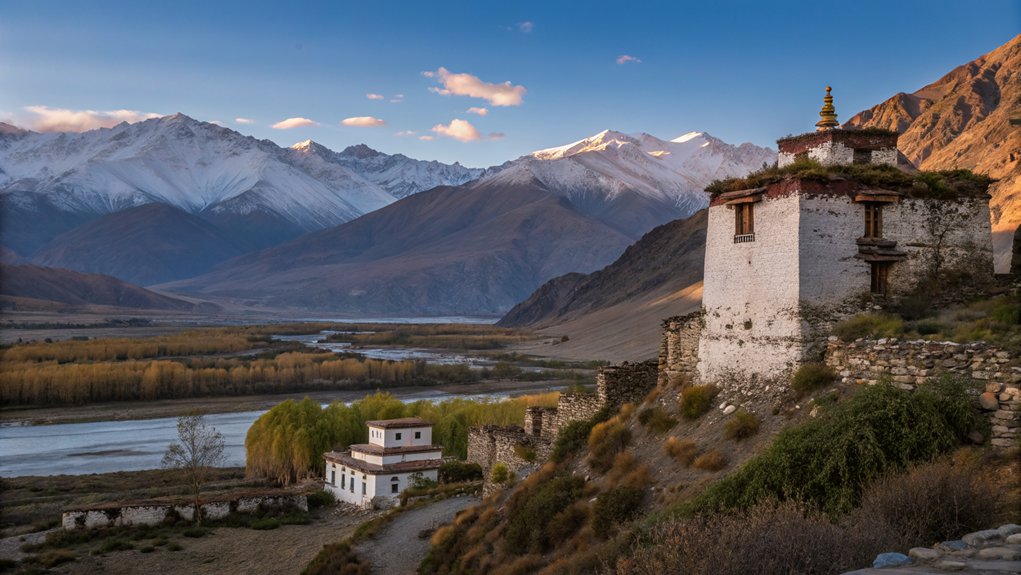
If you’re considering solo travel in Tibet, you’ll find an extraordinary blend of stunning mountains and rich culture waiting for you. Picture yourself surrounded by majestic peaks while exploring ancient monasteries. There’s a unique sense of freedom in setting your own pace, but it’s essential to understand the nuances of this sacred land. So, what should you know about traversing these breathtaking landscapes and connecting with local traditions? Let’s explore.
Key Takeaways
- Experience Tibet’s breathtaking mountains while enjoying a unique sense of freedom and flexibility as a solo traveler.
- Engage with local culture through interactions with English-speaking guides, enhancing your understanding of Tibetan heritage.
- Respect cultural etiquette by dressing modestly and seeking permission before taking photos of locals in sacred spaces.
- Explore iconic sites like the Potala Palace and Jokhang Temple to immerse yourself in Tibetan spirituality and history.
- Participate in local customs and rituals to deepen your connection with Tibetan traditions and communities during your visit.
Safety First: Understanding Tibet’s Low Crime Rates
When you plan a solo trip to Tibet, you’ll quickly discover that safety is one of its standout features. With a remarkably low crime rate, the region feels secure for individual travelers like you.
In Lhasa, petty crimes such as pickpocketing are almost unheard of, considerably contributing to your sense of well-being. The harsh living conditions in remote areas cultivate a strong community spirit among the Tibetans, which helps minimize crime rates further.
While it’s wise to stay aware of your surroundings, you’ll find that the warm-hearted nature of the locals, guided by Buddhist principles, enhances your safety and hospitality experience.
How to Navigate Tibet With an English-Speaking Guide
Maneuvering through Tibet becomes much easier with an English-speaking guide by your side, especially since language barriers can make communication challenging.
Hiring a local guide enriches your journey in several ways:
- Overcome Language Barriers: A guide helps you connect with locals, enhancing cultural exchanges.
- Safety and Health Support: They provide insights on altitude sickness, ensuring your well-being.
- Navigate Bureaucracy: Guides handle travel permits and regulations, making your exploration smoother.
- Cultural Insights: They offer context about traditions and rituals, deepening your understanding of Tibet’s heritage.
With a skilled guide, your trip becomes not just about seeing sites but engaging fully with the rich culture around you.
Must-See Attractions: From Potala Palace to Local Monasteries
When you explore Tibet, you can’t miss the iconic Potala Palace, with its breathtaking architecture and rich history.
You’ll also want to visit serene local monasteries, like Sera Monastery, where you can witness unique cultural practices.
Don’t forget to take in the stunning views at Yamdroktso Lake, a true natural gem.
For a deeper cultural experience, consider joining a small group tour to explore Tibet with expert local guidance.
Iconic Potala Palace
The iconic Potala Palace, soaring 117 meters above Lhasa, captivates every traveler with its breathtaking architecture and profound history.
This UNESCO World Heritage Site, once the winter residence of the Dalai Lama, boasts over 1,000 rooms and 10,000 shrines. To explore its wonders, remember to:
- Book your admission at least one day in advance.
- Enjoy your one-hour exploration thoroughly.
- Marvel at exquisite murals and ancient artifacts.
- Visit gold-plated stupas containing the ashes of past Dalai Lamas.
Engaging with the palace’s rich cultural and spiritual heritage will leave you in awe.
The experience enhances your journey, making Potala Palace an unmissable highlight of your solo adventure in Tibet.
Serene Local Monasteries
While exploring the spiritual landscape of Tibet, you’ll discover a collection of serene local monasteries that offer profound insights into Tibetan Buddhism.
Sera Monastery stands out with its lively debate sessions, providing a unique peek into the teachings of the monks.
Ganden Monastery, one of the oldest, rewards your visit with stunning views from its high altitude, showcasing its historical significance since the 15th century.
You can’t miss Jokhang Temple, the spiritual epicenter where pilgrims come to practice their faith.
Finally, immerse yourself in the tranquil atmosphere of Samye Monastery, the first in Tibet, where diverse architectural styles blend harmoniously, enhancing your experience of contemplation and growth.
Each monastery enriches your journey through this enchanting region.
Breathtaking Yamdroktso Lake
Nestled among the majestic mountains, Yamdroktso Lake captivates visitors with its stunning turquoise waters, making it one of Tibet’s must-see attractions.
Located about 100 kilometers southwest of Lhasa, this sacred lake offers an unforgettable experience that you shouldn’t miss.
While here, you can:
- Enjoy panoramic views from the surrounding peaks.
- Participate in photography along the tranquil shores.
- Observe the rich lifestyle of nomadic Tibetan communities.
- Combine your visit with attractions like Potala Palace and local monasteries.
As you take in the serene atmosphere, the spiritual significance of Yamdroktso Lake will truly resonate.
This destination not only showcases natural beauty but also enriches your understanding of Tibetan culture and tradition.
Best Times to Visit Tibet for Solo Travelers
Visiting Tibet from April to early November offers solo travelers the best experience, thanks to mild temperatures and breathtaking scenery. During this time, you’ll enjoy excellent visibility for stunning landscapes and can partake in vibrant Tibetan festivals like Saga Dawa and Shoton, enriching your cultural engagement.
Just be sure to avoid major Chinese national holidays, such as May 1st and October 1st, when domestic tourism peaks, making accommodations and tickets harder to secure. Although winter months provide budget-friendly options and clear mountain views, some areas may be inaccessible due to snow.
Traveling within the recommended timeframe also grants you a wider range of organized tour options, which are essential due to the regulations around solo travel in Tibet.
What to Pack for Your Tibetan Adventure
To guarantee a comfortable and enjoyable trip to Tibet, you’ll want to pack thoughtfully for the varying conditions you’ll encounter. Here’s a concise checklist to make sure you’re prepared:
- Layers: Include thermal underwear, a fleece jacket, and a waterproof outer layer for temperature changes and protection against the elements.
- Footwear: Sturdy trekking boots are a must for traversing rugged terrain comfortably.
- Sun Protection: Don’t forget a hat, gloves, sunglasses, high SPF sunscreen, and lip balm to shield you from strong UV rays.
- Essentials: Pack lightweight items like a thermal water bottle, personal medications, snacks, and a portable power bank to stay energized and connected.
With these essentials, you’ll be well-equipped to embrace the beauty of Tibet.
Navigating Payments: Cash and App Essentials
When traveling in Tibet, it’s vital to have a solid grasp of the payment options available to you. Cash is essential, as smaller vendors and remote areas typically won’t accept card payments. The local currency is the Chinese Yuan, so keep enough on hand for purchases, especially in rural spots.
In urban areas like Lhasa, mobile payment apps like Alipay and WeChat Pay are common, making transactions easy for tech-savvy locals. Larger restaurants and shops often accept international credit cards, but you’ll want cash to avoid any hassles in remote areas.
If you need cash, use local ATMs in cities, but be aware of potential fees based on your home bank’s policies. Stay prepared, and enjoy your travels!
Embracing Tibetan Culture: Dos and Don’ts for Respectful Travel
When you travel in Tibet, being aware of local customs is essential for a respectful experience.
You should engage thoughtfully with the people and their traditions, always prioritizing their beliefs and practices.
Local Customs Awareness
Understanding local customs is essential for anyone looking to explore Tibet respectfully. By being aware of these customs, you’ll enhance your experience and connection with the culture. Keep these key points in mind:
- Dress modestly, covering your shoulders and knees, especially in monasteries.
- Always ask permission before snapping a photo of locals to avoid intruding on their privacy.
- Avoid public displays of affection, as they’re frowned upon; maintain a respectful demeanor in sacred spaces.
- Don’t touch Tibetan individuals, particularly on the head, which is considered sacred; respect their taboos.
These practices will help guarantee your journey through Tibet isn’t only enjoyable but also considerate of the rich tapestry of Tibetan culture.
Respectful Interaction Practices
Maneuvering interactions in Tibet requires sensitivity and respect for the local culture. Always ask for permission before taking photos of locals, as many Tibetans value their privacy.
Dressing modestly is essential when visiting monasteries and holy sites; cover your shoulders and knees to reflect local customs. Avoid public displays of affection and disrespectful gestures, especially in sacred areas, to honor Tibetan traditions.
Remember that it’s considered rude to touch anyone, including children, on the head, as this area is sacred in Tibetan culture. Finally, steer clear of sensitive political discussions to foster positive connections.
The Unique Benefits of Traveling Alone in Tibet
Traveling solo in Tibet offers a unique sense of freedom that allows you to explore at your own pace while still connecting with the rich culture around you. Here are some standout benefits you’ll experience:
- Join small group tours to share costs and connect with like-minded adventurers.
- Engage with local English-speaking guides for valuable cultural insights and support, especially during high-altitude explorations.
- Enjoy structured itineraries that provide a stress-free experience, giving you personal time at iconic sites like Potala Palace and Jokhang Temple.
- Explore vibrant areas like Barkhor Street, where you can meet fellow travelers and locals, fostering friendships and enriching your adventure.
Embrace the opportunity to immerse yourself in the authentic culture of Tibet!
Frequently Asked Questions
Why Can’t You Independently Travel to Tibet?
You can’t independently travel to Tibet because it’s restricted by regulations. You need a Tibet Travel Permit, which you can only get through an authorized agency as part of an organized tour for legal entry.
What Is the Best Month to Go to Tibet?
The best months to visit Tibet are from April to early November. You’ll enjoy mild temperatures, clear views, and vibrant cultural festivals during this period, making your travel experience much more enjoyable and memorable.
Leave a Reply