
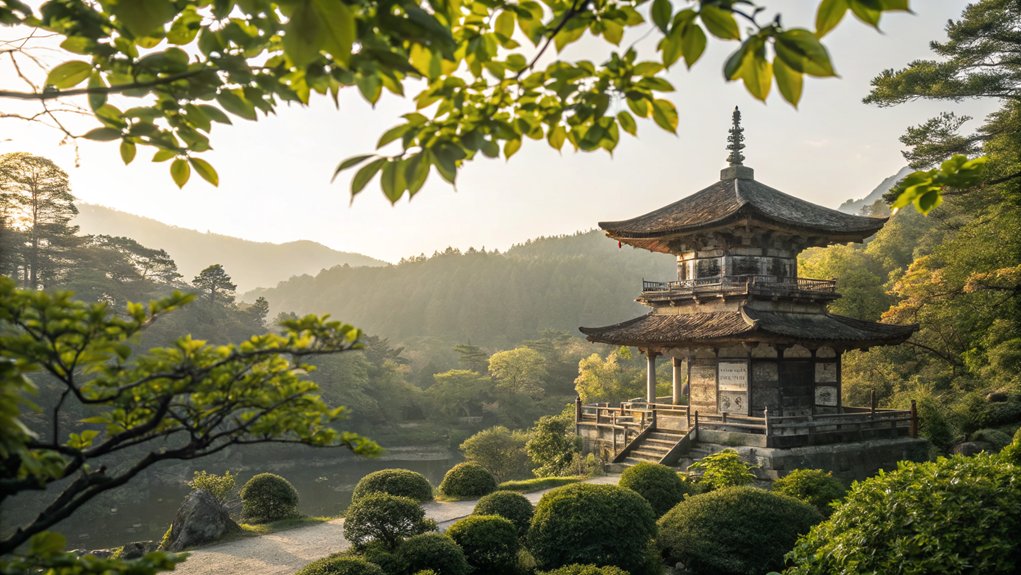
When planning your solo trip to Japan, managing your budget is essential for a fulfilling experience. You’ll want to take into account daily expenses, flight costs, and affordable lodging options. With the right strategies, you can explore vibrant cities and serene landscapes without overspending. Curious about how to stretch your dollars while enjoying the best Japan has to offer? Let’s explore budget-friendly tips that will enhance your journey.
Key Takeaways
- Budget between $600-900 for a week; allocate $10-15 daily for meals while traveling in Japan.
- Aim for shoulder seasons like January to March and September to November for better rates and lower holiday prices.
- Utilize flight comparison sites like Skyscanner and set up alerts to find the best deals on airfare.
- Consider accommodations like hostels ($15-25) or capsule hotels ($20-35) for affordable lodging options.
- Leverage the Japan Rail Pass for unlimited travel within cities, ideal for long-distance routes, especially over short stays.
Understanding Your Budget: How Much to Save for Japan?
When planning your solo trip to Japan, how much should you really save? A budget of $600-900 for a week is advisable, covering your hostel stays, meals, and transportation.
For food, expect to spend $10-15 daily; local options like onigiri and bentos cost around 300-600¥ ($2-4).
For lodging, look at $15-25 per night in hostels, $20-35 for capsule hotels, and $35-60 for traditional ryokans.
Don’t forget to carry about 10,000¥ (around $70) in cash, as Japan relies heavily on cash transactions.
Finally, if you’re planning to travel between cities, set aside roughly $381 for a Japan Rail Pass—it can save you a lot on transportation, especially with shinkansen services.
When to Visit Japan for the Best Affordable Travel Deals?
If you’re looking for the best affordable travel deals in Japan, consider planning your trip during the shoulder seasons of late autumn or early spring.
You can save considerably by traveling in off-peak months and avoiding the crowded holidays. Just remember to keep an eye on local festivals since they can affect accommodation prices.
Best Months To Travel
Traveling to Japan can be budget-friendly, especially during specific months that offer the best deals. Aim to visit between January to March and September to November. During these times, you’ll avoid peak holiday seasons, leading to lower accommodation and flight costs.
| Month | Average Cost Savings | Notable Events |
|---|---|---|
| January | Up to 30% | New Year’s celebrations |
| February | Up to 30% | Sapporo Snow Festival |
| March | Up to 30% | Begin cherry blossom season (cheaper before peak) |
| September | Up to 30% | Autumn festivals |
| October | Up to 30% | Halloween festivities |
Off-Peak Season Savings
Choosing to visit Japan during the off-peak seasons can lead to considerable savings on your travel expenses. Typically, these seasons occur between January to March and September to November. During these times, you can find flight rates and accommodations up to 30% cheaper than peak periods.
Avoid major holidays like Golden Week, Obon, and New Year’s, as prices surge then. To secure the best deals, book your international flights and accommodations 6–12 months in advance. Additionally, traveling on weekdays can further reduce costs.
Don’t forget to utilize Japan Rail Passes during these off-peak times, as they can greatly cut transportation expenses, making your solo journey even more budget-friendly. Enjoy exploring Japan without breaking the bank!
Seasonal Festivals Considerations
When considering Japan’s seasonal festivals, timing your visit can greatly enhance both your cultural experience and your budget.
To make the most of your trip, keep these tips in mind:
- Many festivals occur in spring and fall, often with free or low-cost entry.
- Traveling during off-peak seasons (late January to March, September to November) can save you 20-30% on flights and accommodations.
- Aim to visit just before or after cherry blossom season to enjoy events without the high prices.
- Popular local festivals like Gion Matsuri in July and Nebuta Matsuri in August offer affordable entertainment and delicious street food.
Book in advance to secure better rates near major festivals and enjoy an unforgettable, budget-friendly experience in Japan!
Finding Cheap Flights: Key Tips
To find cheap flights to Japan, you should start by using flight comparison sites like Skyscanner.
Don’t forget to set up price alerts and consider routes with layovers, which can save you a good chunk of money.
With a bit of planning and research, you’ll land the best deals for your adventure. For smoother onward travel, consider route planning before you leave.
Utilize Flight Comparison Sites
Finding affordable flights to Japan becomes much easier when you utilize flight comparison sites. These platforms, like Skyscanner, let you quickly compare prices and reveal great deals for your trip.
To maximize your savings, keep these tips in mind:
- Book 3-6 months in advance: This usually secures the lowest rates and can save you $150-250.
- Fly mid-week: Airfare is often more affordable on Tuesdays and Wednesdays due to lower demand.
- Be flexible with travel dates and routes: Adjusting your departure or arrival airports can lead to significant savings.
- Explore stopover routes: Flights through cities like Istanbul or Doha can offer better prices.
Monitor Price Alerts
Price alerts can be a traveler’s best ally in securing the best deals for flights to Japan. By utilizing comparison sites like Skyscanner, you can set up price alerts to be notified of significant discounts and flash sales. This feature allows you to monitor price fluctuations effectively.
Booking your flights 3-6 months in advance can save you $150-250, especially if you’re considering stopovers. Being flexible with your travel dates and opting for off-peak seasons, like January to March and September to November, can also lead to lower airfare costs.
Last-minute promotions can result in impressive savings too; for instance, you might snag a flight from Annecy to Tokyo for just $300. Keep your options open!
Consider Stopover Flights
While you may prefer a direct flight to Japan, considering stopovers can often lead to substantial savings on your ticket.
Flights with layovers in cities like Istanbul or Doha can reduce ticket prices by about $150-250.
To make the most of this option, keep these tips in mind:
- Use comparison sites like Skyscanner for the best deals
- Book your flights 3-6 months in advance for cheaper rates
- Set up price alerts to catch flash sales
- Stay flexible with your travel plans to snag deals, like finding a last-minute flight from Annecy to Tokyo for just $300.
These strategies can help you keep your Japan trip budget-friendly while still enjoying the journey.
Choosing Budget Accommodation: Hostels, Guesthouses, and More
When you’re planning a solo trip to Japan, budget accommodation can make a significant difference in your experience. Youth hostels, ranging from $15 to $25 per night, offer a vibrant social atmosphere, allowing you to connect with fellow travelers.
If you’re after something unique, consider capsule hotels—sleeping pods priced around $20 to $35 that combine affordability with modern amenities. For a more traditional experience, ryokans, costing approximately $35 to $60, give you a taste of Japanese culture with tatami mats and futons.
If you’re a solo female traveler, look into women-focused options by NomadSister for added safety and community. Remember to prioritize locations near train stations to save on transportation costs while exploring.
Is the Japan Rail Pass a Money Saver?
If you’re planning to travel across Japan, the Japan Rail Pass might just be your best friend for saving money.
With unlimited access to most JR trains, including shinkansen, you can easily compare costs and see how the pass stacks up against buying individual tickets.
It’s a solid option for those hitting multiple cities or covering long distances without breaking the bank.
Cost Comparison With Alternatives
How can the Japan Rail Pass be a game changer for your travel budget? If you plan to visit multiple cities, this pass can save you a good chunk of change. For about 29,650¥ (around $225), you get unlimited travel on JR trains for a week.
Here’s how it could be worth it:
- A single shinkansen ticket from Tokyo to Kyoto costs 14,200¥ (about $100).
- Just two long-distance trips can justify the pass price.
- Local transport fares add up and range from 200-500¥ per trip.
- It offers flexibility for spontaneous day trips to places like Nara or Nikko.
In short, the Japan Rail Pass can make extensive travel affordable and hassle-free.
Coverage of Transportation Routes
The Japan Rail Pass covers an extensive network of transportation routes, making it a smart choice for travelers aiming to explore multiple destinations.
With unlimited access to JR trains, including shinkansen (bullet trains), this pass is a cost-effective option for long-distance travel. A 7-day pass starts at approximately ¥29,650 ($250) and can save you significant money, since individual shinkansen tickets between cities like Tokyo and Osaka can cost between ¥14,000 and ¥30,000 ($130-$270) one way.
Plus, it includes local JR trains, allowing you to navigate tourist hotspots without extra costs. Just remember, you need to purchase the Japan Rail Pass before arriving in Japan to maximize your savings.
Consider regional passes for shorter itineraries to further reduce expenses.
Navigating Japan: Affordable Transportation Options
While exploring Japan, you’ll find that traversing the country doesn’t have to break the bank.
Here are some affordable transportation options to evaluate:
- Japan Rail Pass: Perfect for long-distance travel across multiple cities, offering significant savings.
- Long-Distance Buses: Cost-effective alternatives, saving you up to 40% compared to trains, especially with night buses.
- Bicycle Rentals in Kyoto: Explore local attractions affordably, typically costing around 1,000¥ ($6-7) for a day.
- Local Transportation Passes: Subways and buses within cities often have unlimited day passes for about 1,000-2,000¥ ($6-12).
Eating on a Budget: Affordable Local Dining and Supermarket Finds
When you’re wandering through Japan, discovering local cuisine doesn’t need to be expensive. You can enjoy tasty meals from street vendors or supermarkets without breaking the bank.
| Food Item | Price Range |
|---|---|
| Onigiri & Bentos | 300-600¥ ($2-4) |
| Ramen | 600-900¥ ($3-5) |
| Street Food Snacks | 150-500¥ ($1-4) |
Authentic ramen is a delightful low-cost option, while street food like takoyaki and taiyaki provides quick and delicious bites. Supermarkets often offer ready-to-eat meals that can save you even more, especially during lunch specials at restaurants. With these affordable dining choices, you can savor Japan’s culinary delights without stretching your budget.
What Are Affordable Attractions to Enjoy?
Exploring Japan’s attractions isn’t just about food; there are plenty of affordable experiences waiting for you. Here are some must-visit spots that won’t break the bank:
- Sensoji Temple in Tokyo: This stunning temple is free to enter and showcases traditional Japanese architecture and culture.
- Fushimi Inari Shrine in Kyoto: Known for its thousands of iconic vermilion torii gates, it’s perfect for a scenic hike at no cost.
- Public baths (onsen): Enjoy a traditional experience for only 400-600¥ ($2-4).
- Local festivals (matsuri): Participate in authentic cultural events throughout the year, often with free access.
These attractions offer enriching experiences while keeping your budget in check!
Unique Local Experiences: Engaging Activities Without Breaking the Bank
If you want to immerse yourself in Japanese culture without overspending, there are plenty of unique local experiences to embrace.
Head to Kyoto for an affordable tea ceremony, which costs around 800¥ ($4) and offers a traditional taste of Japanese culture.
Don’t miss local festivals (matsuri) that often have free entry, letting you experience authentic community celebrations.
Explore popular spots like Sensoji Temple and the Imperial Palace gardens, which are rich in history and absolutely free.
For relaxation, enjoy public baths (onsen) for just 400-600¥ ($2-4), a quintessentially Japanese indulgence.
Finally, consider joining guided walking tours that reveal hidden gems while being wallet-friendly or based on tips, giving you fantastic local perspectives.
How to Save Money on Your Trip: Opportunities in Japan
While planning your trip to Japan, you’ll find numerous opportunities to save money without sacrificing the experience. Here are some smart tips to keep your budget intact:
- Stay in hostels or capsule hotels for prices between $15-35 per night, offering unique experiences and social interactions.
- Use the Japan Rail Pass for unlimited travel on the JR network at around $381, making long-distance journeys affordable.
- Savor street food and local markets, where you can enjoy meals like onigiri or ramen for just 300-900¥ ($2-5).
- Join free cultural activities such as visiting temples, parks, and local festivals that often have no entrance fees, allowing you to immerse yourself in Japan’s culture without overspending.
Budget Souvenirs to Bring Home From Japan
After saving money during your adventures in Japan, it’s time to think about how to bring a piece of that experience home with you. Check out 100-yen shops like Daiso and Seria for cute trinkets and home goods, all around $1.
If you’re looking for something unique, Tokyo’s flea markets offer vintage kimonos priced between 2,000 to 5,000¥ ($12-29). Treat yourself or friends to quality Japanese teas for 1,000 to 2,000¥ ($6-12). Don’t forget limited-edition Kit-Kats, available for 200-300¥ (under $2).
For a personal touch, grab an omamori from temples, often for a small donation.
Finally, local snacks like dorayaki make delicious souvenirs to share back home!
Essential Tips for Cost-Effective Travel in Japan
Travelling through Japan on a budget doesn’t have to feel restrictive; with the right strategies, you can experience the country’s rich culture without breaking the bank.
Here are some essential tips to keep costs low:
- Set a daily budget of around $25 for meals and $15-25 for accommodation.
- Use comparison sites like Skyscanner and book 3-6 months in advance for cheap flights.
- Explore local markets and street food, where meals cost between 300-600¥ ($2-4) for affordable options like onigiri and bento boxes.
- Use public transportation wisely, considering a Japan Rail Pass or regional options for long-distance travel.
Implementing these tips will help you enjoy Japan without overspending.
Frequently Asked Questions
Can I Use Credit Cards Everywhere in Japan?
You can’t use credit cards everywhere in Japan. Many smaller shops, restaurants, and rural areas still prefer cash. It’s wise to carry some yen for those situations to avoid any inconveniences during your travels.
Are There Any Hidden Fees for Solo Travelers?
Yes, there can be hidden fees for solo travelers. You might encounter costs like solo accommodation surcharges, extra charges for certain tours, or additional fees for using public transportation. Always read fine print before booking.
How Can I Ensure Safety While Traveling Alone?
To guarantee safety while traveling alone, stay aware of your surroundings, trust your instincts, share your itinerary with someone, avoid risky areas at night, and keep your belongings secure. Always have emergency contacts handy.
What Are Common Cultural Etiquette Tips for Solo Travelers?
Respect personal space, bow slightly when greeting, and remove your shoes indoors. Use polite language and avoid loud conversations on public transport. Learn basic Japanese phrases; it’ll enhance your interactions and show appreciation for local culture.
How Do I Stay Connected to the Internet While Traveling?
You can stay connected by renting a pocket Wi-Fi device or purchasing a local SIM card. Both options provide reliable internet access, letting you navigate and share your experiences effortlessly during your travels.
Leave a Reply