
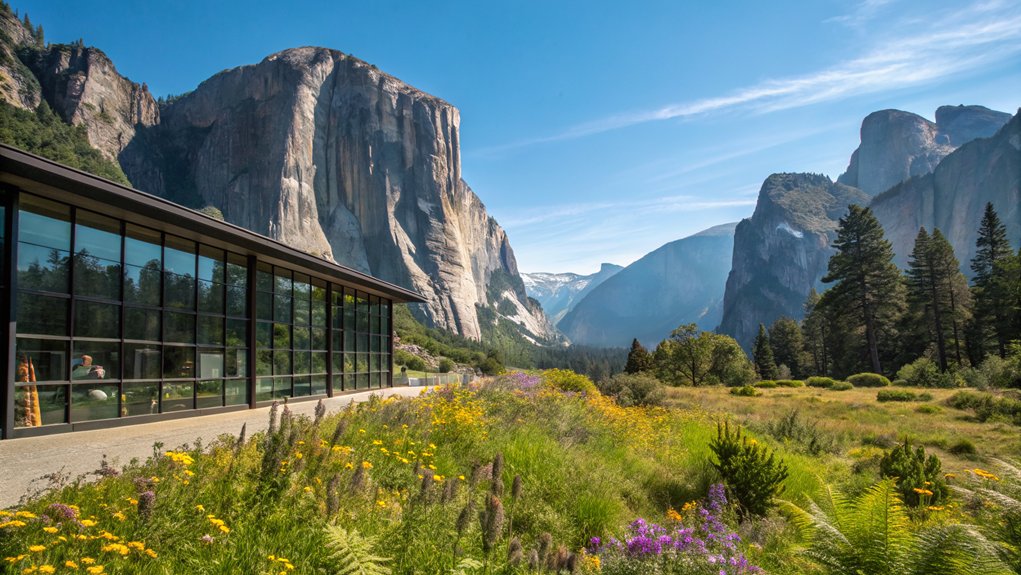
If you’re considering solo travel in national parks, you’re in for a rewarding experience. These vast landscapes not only offer stunning beauty but also a chance for personal reflection. With countless trails and opportunities for exploration, you can embrace the wilderness at your own pace. Yet, before you set off on your adventure, it’s essential to understand what makes a trip successful. Let’s explore what you need to know to make the most of your journey.
Key Takeaways
- Explore nearly 30 national parks designed for solo travelers, offering well-marked trails and ranger-led hikes for safe navigation.
- Crater Lake and Yosemite are ideal for their stunning scenery and accessibility, perfect for independent explorers.
- Prioritize safety by carrying the 10 essentials, informing someone of your plans, and researching local wildlife.
- Utilize the NPS app for offline maps and park resources, enhancing your navigation and overall experience.
- Document your journey through journaling and photography to reflect on encounters and stunning landscapes.
Why Solo Travel in National Parks Is Unique
When you initiate a solo adventure in national parks, you’ll find that the experience is unlike any other. This journey allows you to connect deeply with nature, reflecting in solitude as you explore nearly 30 parks that invite independent travelers.
The well-marked trails and ranger-led hikes guarantee you can navigate diverse ecosystems safely, giving you confidence as you trek alone. As you encounter fellow adventurers, you’ll foster temporary connections that create unique moments on shared trails. Solo travelers can also use the NPS app to help navigate parks with greater ease.
Best National Parks for Solo Adventures
Solo travel in national parks offers a plethora of options that cater to every adventurer’s taste. Crater Lake National Park’s stunning blue waters and accessible non-technical hikes make it perfect between June and September.
If you seek striking landscapes, Death Valley National Park provides flat salt basins and sand dunes, best enjoyed from October to April for pleasant weather.
Yosemite National Park boasts trails close to amenities, with Glacier Point and Mariposa Grove delivering unforgettable views among towering trees.
For awe-inspiring vistas, Grand Canyon National Park’s rim hikes guarantee safety in numbers while watching breathtaking sunrises and sunsets.
Finally, New River Gorge National Park combines adventure and solitude, offering whitewater rafting, kayaking, and diverse trails suitable for all skill levels.
Essential Safety Tips for Solo Hikers
As you commence your solo hiking adventures, prioritizing safety is essential to guarantee a fulfilling experience.
Follow these vital tips to stay secure on the trail:
- Always carry the 10 essentials: navigation tools, hydration, first aid supplies, food, fire-starting equipment, repair kits, clothing layers, shelter, sun protection, and a headlamp.
- Inform a friend or family member about your plans, including your route and expected return time.
- Be aware of local wildlife and use noise to avoid encounters; know how to respond if you see a bear.
- Use offline maps and download park resources in advance to navigate without cell service.
- Trust your instincts—turn back if the trail exceeds your skill level or conditions become unsafe. Your safety is the top priority!
For added peace of mind, consider using offline maps and park planning resources from Recreation.gov before you go.
Create Your Perfect Itinerary for Solo Park Visits
Planning your solo trips to national parks involves creating an itinerary that balances exploration and tranquility. Start by choosing popular parks like Acadia or Yellowstone, where well-marked trails and ranger-led hikes enhance your experience. Research each park for specific hiking conditions, potential hazards, and wildlife encounters to guarantee safety.
Create a daily schedule that highlights must-see sights and ideal hiking times; for example, visit Death Valley in winter for cooler temperatures. Prioritize parks that offer both solitude and accessibility, such as Crater Lake or the Grand Canyon, allowing for peaceful reflection and social opportunities. Yellowstone’s Old Faithful geyser is one of the park’s most iconic geothermal features and a great stop for solo travelers.
Finally, keep seasonal factors in mind—some parks, like Zion, can be busier during peak seasons, which might provide added comfort for first-time solo travelers.
Must-Have Gear for Solo National Park Trips
When heading out on solo adventures in national parks, having the right gear can make all the difference. Here’s a list of must-have items to guarantee you’re prepared for anything:
- A reliable backpack for comfortable storage and easy access.
- A first-aid kit for dealing with minor injuries.
- The 10 essentials, including water purification methods and navigation tools.
- Sturdy, broken-in hiking boots to tackle diverse terrains safely.
- A quality tent and sleeping bag for cozy overnight stays.
With these essentials, you’ll navigate trails confidently, stay safe, and enjoy the beauty of nature.
Don’t forget a multi-tool for versatile tasks and a portable charger along with offline maps for added safety in remote areas. Your adventure awaits!
Engage With Nature: Reflecting on Your Solo Experiences
While wandering through the stunning landscapes of national parks, you might find that solitude deepens your connection to nature. Embracing this quiet time allows for personal reflection, enhancing your emotional link to the environment.
You’ll likely experience a profound sense of peace, fostering introspection. Consider journaling your thoughts and observations; documenting your journey helps you recognize your personal growth and cherish those unique moments you encounter.
Engaging with nature enhances your appreciation for breathtaking vistas and diverse wildlife, amplifying your adventure. Utah’s national parks offer iconic scenery and peaceful outdoor experiences that make solo exploration especially rewarding.
Each solo experience acts as an invitation to value the tranquility and beauty of the parks.
These cherished memories and insights will stay with you long after your trip, creating a lasting impression of your adventure in the wild.
How to Connect With Other Solo Travelers in Parks
How can you forge connections with fellow solo travelers in national parks? It’s easier than you think! Here are some ways to meet like-minded adventurers while enjoying the beauty of nature:
- Join ranger-led hikes or guided tours to explore trails together.
- Participate in communal activities like campfire gatherings or group hikes.
- Utilize shared spaces, such as picnic areas and visitor centers, for spontaneous interactions.
- Engage in online forums or social media groups dedicated to solo travel, highlighting meet-up chances.
- Attend workshops or programs focused on park education or wildlife observation to enrich your experiences and meet others with similar interests.
Embrace these opportunities, and you’ll find friendship and camaraderie along your journey!
The Benefits of Solo Hiking: Building Confidence and Resilience
Connecting with fellow solo travelers enriches your experience in national parks, but exploring those vast landscapes on your own brings a unique set of advantages. When you commence a solo hike, you cultivate self-reliance and confidence. Traversing trails independently fosters problem-solving skills, while challenges like difficult paths or unexpected weather boost your resilience. You’ll also find that solitude allows for deep reflection, enhancing your well-being and mindfulness. Virginia’s over 250 years of history add an enriching layer to solo adventures, blending outdoor exploration with cultural discovery.
| Benefits of Solo Hiking | Skills Developed | Personal Growth |
|---|---|---|
| Cultivates self-reliance | Problem-solving | Heightened mindfulness |
| Enhances confidence | Adaptability | Deep personal reflection |
| Encourages resilience | Navigation skills | Sense of accomplishment |
| Promotes connection with nature | Independent decision-making | Mental toughness |
| Instills a sense of control | Self-discipline | Enhanced well-being |
What Makes a Great Park for Your Solo Trip?
Choosing the right national park for your solo adventure can greatly enhance your experience. Look for parks that offer:
- Well-maintained trails for easy navigation and safer exploration (think Crater Lake and Yosemite).
- Accessibility during peak seasons to foster social interactions with other solo travelers, like in Zion.
- Climate and challenge research to prepare for varied environments, as seen in New River Gorge.
- Ranger-led hikes or guided tours available for support and companionship in places like the Great Smoky Mountains.
- Basic amenities such as restrooms along trails to boost comfort and convenience, especially in remote areas like Death Valley.
Finding these features will set the stage for a rewarding solo travel experience. For travelers who value comfort after a long day outdoors, resorts with family-friendly accommodations can also be a helpful inspiration for planning a balanced trip.
Explore the Best Scenic Road Trips for Solo Travel
If you’re planning a scenic road trip for solo travel, you’ll want to discover the most memorable routes while ensuring you’ve got everything you need packed.
Safety is key on your adventures, so let’s explore essential tips to keep you secure and prepared.
Get ready to hit the road and enjoy the breathtaking views waiting for you!
Memorable Scenic Routes
As you begin your solo travel adventure through national parks, you’ll discover an array of memorable scenic routes that offer breathtaking views and unforgettable experiences.
Here are some must-explore drives:
- Blue Ridge Parkway: Enjoy stunning views and access hiking trails like Cades Cove and Laurel Falls.
- Colorado National Parks: Experience iconic sites like the peaks of Rocky Mountain National Park and the cliff dwellings at Mesa Verde.
- Acadia National Park: Take the 18-mile scenic loop for coastal views and landmarks like Cadillac Mountain.
- Grand Circle Road Trip: Visit the awe-inspiring landscapes of the Grand Canyon, Monument Valley, and Zion National Park.
- Death Valley: Explore routes like Badwater Basin and Dante’s View, ideally from October to April.
Each route promises stunning vistas and unique adventures!
Essential Packing Tips
When planning your scenic road trips to national parks, packing strategically can make all the difference in your solo adventure. Start by prioritizing the 10 essentials, including navigation tools, first aid supplies, and extra food and water.
Lightweight, durable gear is a must; invest in a well-fitted backpack, reliable footwear, and sturdy water bottles for enhanced comfort. Don’t forget layers of clothing to adapt to the changing mountain weather.
A portable phone charger or power bank will keep your devices charged, vital for navigation and communication in remote areas. Finally, bring a journal or camera to document your experiences—reflecting on your journey deepens your connection to nature and enhances the joy of your adventure.
Safety Precautions for Solo Travel
Safety is paramount when starting a solo journey through national parks. Here are key safety precautions to keep in mind:
- Research park conditions and trails to prepare for different environments.
- Pack the “10 essentials”: water, navigation tools, first-aid kits, food, emergency gear, extra clothing, fire starters, tools, and illumination.
- Share your itinerary with someone outside your travel group for added safety.
- Consider joining ranger-led hikes or guided tours, especially in unfamiliar terrain.
- Choose well-trafficked parks and popular seasons to balance solitude and safety.
Tips for Documenting Your Solo Journey: Journaling and Photography
Documenting your solo national park journey can elevate your experience in countless ways.
Journaling enhances self-reflection, helping you process your adventures and craft a lasting personal narrative. As you write about encounters with wildlife or the solitude felt during hikes, you create an intimate record of your journey.
Combine this with photography to capture stunning landscapes and unforgettable moments, bringing your memories to life. Explore techniques like capturing sunrises or sunsets to hone your skills and obtain breathtaking images.
Finally, consider merging your reflections with photos in a travel scrapbook or digital format; this thorough keepsake will beautifully encapsulate the essence of your solo adventures in nature, allowing you to revisit those experiences for years to come.
Frequently Asked Questions
What Is the World’s Riskiest Destination for Solo Travelers?
The world’s riskiest destination for solo travelers is often Afghanistan, marked by ongoing conflict and safety threats. You should seriously consider the risks and do thorough research before even thinking about traveling there.
Is 27 Too Old to Solo Travel?
No, 27’s not too old to solo travel! You’re just at the right age to explore, learn about yourself, and embrace new adventures. Don’t hesitate—get out there and experience the world on your own terms!
Leave a Reply