
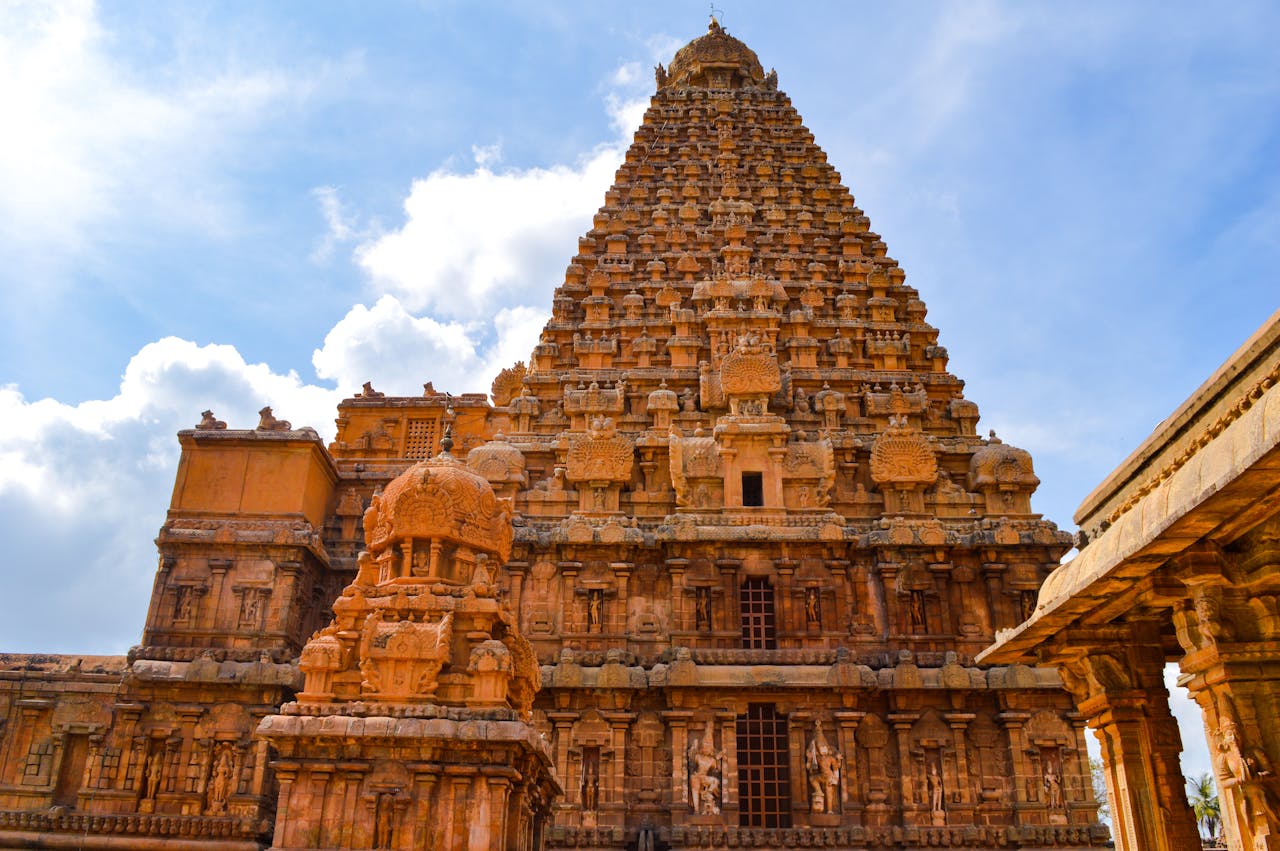
Planning your South India travel itinerary means immersing yourself in a world of temples and rich traditions. You’ll explore ancient architecture, vibrant festivals, and indulge in delicious local cuisine. Discover iconic sites like Tanjore’s Brihadeeswara Temple and the unique ‘Going to Bed’ ceremony at Meenakshi Temple in Madurai. But there’s much more to uncover, from hidden gems to culinary delights that define the region’s culture. Where will your adventure take you next?
Key Takeaways
- Ideal travel period for exploring temples and traditions is November to February, offering pleasant weather and vibrant festivals.
- Must-visit temples include Brihadeeswara in Tanjore, known for its Chola architecture, and the iconic Meenakshi Temple in Madurai.
- Experience local festivals like Pongal in Tanjore and the nightly ‘Going to Bed’ ceremony at Meenakshi Temple for rich cultural immersion.
- Sample regional cuisines such as Masala Dosa, Idli, and local delicacies while engaging in vibrant local markets for authentic flavors.
- Explore UNESCO sites like the Group of Monuments at Mahabalipuram and Hampi for a blend of history, architecture, and mythological significance.
Choose the Best Time to Visit South India
When’s the best time to explore South India? The ideal period is from November to February, when the weather’s cooler and more comfortable.
Keep in mind that this is also peak tourist season, so you’ll encounter larger crowds. If you prefer fewer tourists, February offers pleasant conditions without the bustle.
While traveling during the low season from April to September can save you money, be cautious about heavy rains in June and July that might disrupt your plans.
After the monsoon season in September, roads improve, enhancing accessibility.
Remember to check local festivals during peak season, as they may affect accommodation and transportation options.
Planning ahead guarantees a smoother and more enjoyable experience.
How to Get Around: Transportation Options in South India
When you explore South India, using local drivers for transfers can really enhance your experience.
They not only help you navigate between destinations but also offer valuable insights into the culture and sights along the way.
If you’re short on time, consider booking internal flights to cover longer distances quickly and efficiently.
Local Drivers For Transfers
Hiring a local driver is one of the best ways to get around South India, offering both cost-effectiveness and flexibility for your trip. By organizing a local driver, you can avoid unnecessary costs from idle days and enjoy the comfort of air-conditioned sedans.
Booking drivers through your hotel guarantees efficient transfers between properties, enhancing your overall travel experience. Although Tamil Nadu transfers may take longer and cost more due to distance between attractions, the investment is worth it.
Local drivers also provide opportunities for spontaneous discoveries, letting you interact with the vibrant culture around you. With an estimated cost of around $600 AUD for an entire trip, this option combines convenience and a richer journey through South India.
Internal Flights Availability
For travelers looking to maximize their time in South India, internal flights offer a quick and efficient way to hop between major cities like Chennai, Cochin, and Madurai.
Airlines such as Indigo, AirAsia, and SpiceJet operate multiple daily flights, making it easy to find a schedule that fits your plans. Booking your flights in advance is essential if you want the best deals and to avoid last-minute price hikes.
With domestic flights typically taking around 1 to 1.5 hours, you’ll save significant time compared to lengthy road journeys. Many travelers also combine these flights with ground transportation to reach more remote destinations, allowing for a flexible itinerary filled with temple visits and cultural experiences.
Top UNESCO Sites You Don’t Want to Miss in South India
Exploring South India without visiting its UNESCO World Heritage Sites would be a missed opportunity.
These remarkable locations offer a glimpse into the region’s rich history and architectural marvels. Don’t forget to include these must-see sites on your itinerary:
- Brihadeeswara Temple, Thanjavur – A stunning example of Chola architecture, this temple showcases grand scale and intricate sculptures.
- Hampi – Wander through the impressive ruins of the Vijayanagara Empire and marvel at the Virupaksha Temple and the iconic stone chariot at the Vitthala Temple Complex.
- Group of Monuments at Mahabalipuram – Admire rock-cut temples and beautiful reliefs, including Arjuna’s Penance, which vividly depicts Hindu mythology.
Make sure to immerse yourself in these enchanting pieces of heritage!
Local Festivals and Cultural Ceremonies to Experience
When you visit South India, you can’t miss the opportunity to immerse yourself in its local festivals and cultural ceremonies, as they offer vibrant experiences that showcase the region’s rich traditions.
Join the festivities of the Pongal Festival in Tamil Nadu, where you’ll enjoy community feasts and traditional rituals celebrated mid-January, especially in Tanjore.
Be sure to witness the enchanting ‘Going to Bed’ ceremony at the Meenakshi Temple in Madurai, a nightly homage that draws devoted crowds.
Engage with the Thaipusam celebrations, filled with colorful processions honoring Lord Murugan.
Also, don’t miss the Thiruvizha temple festivals, featuring traditional music and dance, and explore artisan workshops showcasing unique crafts like Athangudi tile making and hand-loomed weaving.
Travel Through South Indian Cuisine: Signature Dishes to Try
When you travel through South India, tasting the iconic dishes is a must.
You’ll discover vibrant spice blends and unique ingredients that define regional culinary traditions.
From crispy dosas to aromatic Chettinad curries, each bite offers a glimpse into the rich flavors of this diverse cuisine.
Iconic Dishes To Sample
You’ll often find that South Indian cuisine is a vibrant tapestry of flavors, with each dish telling its own unique story.
Here are three iconic dishes you must sample on your journey:
- Dosa: This fermented crepe made from rice and lentils is crispy and often paired with coconut chutney and sambar, making it a breakfast favorite.
- Idli: Steamed rice cakes, idlis are light and fluffy, typically enjoyed for breakfast with spicy chutneys and sambar for dipping.
- Hyderabadi Biryani: A fragrant rice dish cooked with marinated meat, spices, and saffron, biryani is a must-try, offering rich aromas and flavors that capture the essence of the region.
These dishes reflect the diverse culinary heritage of South India, inviting you to savor every bite.
Spice Blends And Ingredients
Exploring the rich flavors of South Indian cuisine reveals a remarkable array of spices and ingredients that elevate each dish. Mustard seeds, fenugreek, curry leaves, and dried red chilies form the backbone of many traditional recipes.
Spice blends like sambar powder, combining lentils, coriander, and spices, along with rasam powder featuring black pepper and cumin, enhance the depth of flavors in your meals.
Coconut, whether grated, ground, or in milk form, adds richness to curries and chutneys. You can’t miss the tangy notes of tamarind, which balances the heat from chilies in dishes like sambar and rasam.
Signature dishes such as dosa, idli, and upma perfectly showcase these regional spices and ingredients, reflecting South India’s culinary heritage.
Regional Culinary Traditions
Discovering South India’s regional culinary traditions takes you on a flavorful journey through its iconic dishes. You can’t miss these delicious highlights:
- Masala Dosa: Crispy rice crepes stuffed with spiced potatoes, a breakfast staple in Tamil Nadu and Karnataka that you’ll savor.
- Chicken Chettinad: Immerse yourself in Chettinad cuisine with this dish featuring a robust blend of spices like coriander and fennel, all enveloped in a rich coconut-based gravy.
- Kerala Sadya: Experience a traditional vegetarian feast served on banana leaves, with an array of rice, curries, and chutneys that represent Kerala’s vibrant flavors.
Exploring these dishes not only satisfies your taste buds but also connects you with the region’s rich culinary heritage.
Explore Mahabalipuram and Pondicherry
Mahabalipuram and Pondicherry beckon travelers with their rich cultural tapestry and stunning landscapes. In Mahabalipuram, marvel at the UNESCO-listed temples, especially the Shore Temple and the intricate carvings of Arjuna’s Penance. The town’s architectural wonders reveal Dravidian artistry, like the monolithic rathas.
Pondicherry offers a delightful contrast with its French Quarter’s charming colonial architecture and vibrant cafes. Don’t miss the peaceful Sri Aurobindo Ashram for a moment of reflection. Sample local dishes, too; they blend South Indian spices with French culinary influences.
| Destination | Highlights | Local Cuisine |
|---|---|---|
| Mahabalipuram | Shore Temple, Arjuna’s Penance | Seafood curries, dosa |
| Pondicherry | French Quarter, Sri Aurobindo Ashram | French pastries, coffee |
Journey to Tanjore: Home of the Brihadeeswara Temple
After soaking in the vibrant culture of Mahabalipuram and Pondicherry, your journey takes you to Tanjore, where the awe-inspiring Brihadeeswara Temple awaits.
This UNESCO World Heritage Site showcases the brilliance of Chola architecture, completed in 1010 CE.
As you explore, don’t miss:
- The towering vimana, reaching 66 meters, which is among the tallest temple towers globally.
- The massive Nandi statue, carved from a single stone, spanning approximately 6 meters in length.
- The vibrant festivals, especially the grand chariot festival during Panguni (March-April), inviting thousands of devotees and tourists.
Immerse yourself in this historic capital of the Chola dynasty as you appreciate its artistic and cultural significance in South India.
Delve Into the Architectural Marvels of Chettinad Mansions
As you venture into Chettinad, you’ll be captivated by the stunning mansions that reflect a rich tapestry of architectural influences.
These heritage homes, numbering over 1,000, showcase a blend of Tamil, Islamic, and European designs, characterized by ornate woodwork and intricate tile work.
Marvel at the grand courtyards and high ceilings that echo the opulent lifestyles of the Chettiar community, once prosperous traders.
Each mansion emphasizes sustainability, designed to stay naturally cool in the hot climate with cross-ventilation and large windows.
Don’t miss the vibrant Athangudi tiles, a signature feature crafted by local artisans, displaying geometric patterns that enhance the beauty of these architectural wonders.
It’s an unforgettable glimpse into a rich cultural heritage.
Choosing the Best Houseboat Experience in Kerala?
When you’re planning your houseboat experience in Kerala, consider the types of houseboats available and what suits your style.
You’ll want to explore scenic routes like those around Alleppey and Kumarakom, where the views are nothing short of breathtaking.
Plus, think about onboard amenities and activities that can make your journey unforgettable, from local cuisine to relaxing canoe rides.
Types of Houseboats Available
Choosing the right houseboat experience in Kerala can feel overwhelming given the variety available.
To help you make an informed decision, here are three main types of houseboats to take into account:
- Traditional Kettuvallams: Made from local woods, these boats navigate the backwaters and offer an authentic experience.
- Luxury Houseboats: Featuring modern amenities, they include private bedrooms and gourmet kitchens for a lavish stay.
- Budget-Friendly Options: Ideal for those on a tight budget, these boats provide basic comforts and are great for a simplified experience.
Most houseboats come with a crew, ensuring personalized service.
Whether you opt for an overnight stay or a day cruise, you’ll enjoy exploring Kerala’s enchanting backwaters while savoring delicious local cuisine.
Scenic Routes to Explore
Exploring the scenic routes of Kerala’s backwaters is a journey like no other, especially as you glide through the tranquil waters of Vembanad Lake.
The lush landscapes and vibrant greenery surround you, creating a serene atmosphere that’s perfect for relaxation. Starting from popular points like Alleppey or Kumarakom, you’ll find a variety of houseboat options tailored to your needs.
The best time for this experience is between October and March, when the weather is delightful. You’ll also get the chance to enjoy local cuisine, freshly prepared with regional ingredients.
These traditional kettuvallams aren’t just comfortable; they reflect Kerala’s rich cultural heritage. So, kick back and savor every moment as you navigate this beautiful waterway.
Onboard Amenities and Activities
While planning your houseboat experience in Kerala, it’s essential to reflect on the onboard amenities and activities that can elevate your journey.
The right houseboat can enrich your stay with comfort and cultural experiences. Here are three features to examine:
- Comfortable Accommodations: Look for cozy bedrooms with attached bathrooms and spacious decks that allow you to soak in breathtaking views.
- Culinary Delights: Enjoy fresh seafood and traditional Kerala dishes, prepared by skilled onboard chefs using locally sourced ingredients.
- Engaging Activities: Immerse yourself in local culture with fishing, village tours, and canoe rides through the serene canals, adding adventure to your tranquil experience.
With these amenities, your Kerala houseboat journey will surely be unforgettable!
Explore the Vibrant Markets of South India
One can’t help but be captivated by the vibrant markets of South India, where colors and sounds create an unforgettable tapestry of culture. In bustling cities like Madurai and Chennai, you’ll discover everything from traditional textiles to intricate handcrafted jewelry. The Madurai Jadam market, near the Meenakshi Amman Temple, showcases fresh produce and religious offerings, embodying cultural heritage. Ghana’s rich history also inspires travelers to explore the deep connections between heritage, culture, and local traditions across destinations.
Check out the table below to explore some must-visit markets:
| Market Location | Unique Products |
|---|---|
| Madurai Jadam | Fresh produce, religious offerings |
| Kumbakonam | Hand-loomed sarees, temple artifacts |
| Pondicherry | Artisanal goods, local spices |
Engage in lively bargaining, and immerse yourself in the local customs while experiencing South India’s rich flavors firsthand.
Make the Most of Your South India Travel Experience
After soaking in the vibrant markets of South India, it’s time to maximize your travel experience by embracing the rich cultural and historical offerings of the region.
Here are three ways to enhance your journey:
- Visit UNESCO World Heritage Sites: Don’t miss the awe-inspiring Brihadeeswara Temple in Thanjavur and the stunning temples of Mahabalipuram, showcasing extraordinary architecture.
- Engage in Local Festivals: Experience Pongal in Tamil Nadu for a vibrant look into regional traditions and celebrations that truly capture the local lifestyle.
- Explore Temple Architecture: Discover the unique Hoysala and Dravidian styles, and venture into the Navagraha temple circuit around Kumbakonam for deeper insights into local beliefs and rituals.
Immerse yourself fully, and let South India’s spirituality and artistry enrich your travel experience!
Frequently Asked Questions
What Are the Five Famous Temples in South India?
You’ll find five famous temples in South India: Brihadeeswarar in Thanjavur, Meenakshi Amman in Madurai, Kapaleeshwarar in Chennai, Sri Ranganathaswamy in Trichy, and Virupaksha in Hampi, each showcasing unique architectural beauty and spiritual significance.
What Is the Best Month to Visit Southern India?
You’ll find that the best time to visit Southern India is between November and February. The weather’s cooler, making it more comfortable for sightseeing. February often has fewer tourists, enhancing your travel experience.
What Are the 4 Pilgrimage Sites in India?
The four major pilgrimage sites in India are Varanasi, Tirupati, Rishikesh, and Amritsar. Each site offers unique spiritual experiences, rich culture, and deep historical significance, making them essential destinations for any spiritual journey.
How Many Days Are Required to Visit South India?
You’ll need at least 15 days to explore South India’s rich cultural offerings fully. This timeframe lets you appreciate each destination at a comfortable pace, ensuring you don’t miss the unique experiences available.
Leave a Reply