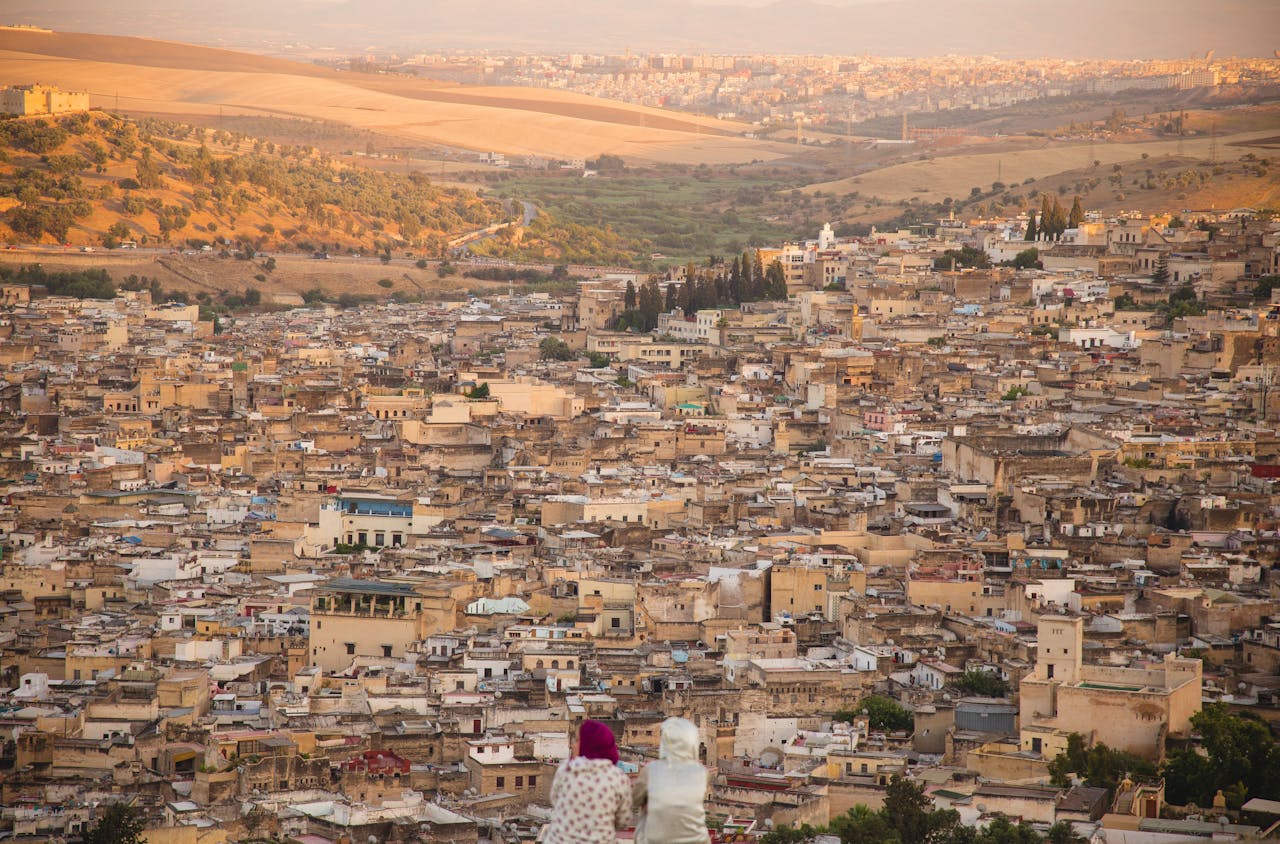
Morocco is a country that feels like a handful of different trips at once — bustling medinas, windswept deserts, snow-capped peaks, and surfable coasts. Picking the best month to travel to Morocco makes a big difference in comfort, cost, and the kinds of memories you’ll bring home. This guide walks you through when to visit, why certain months shine, how regions differ, and practical tips for planning a trip that matches your travel style.
Understanding the regional climate variations is essential for optimizing your travel experience in Morocco. For instance, spring (March to May) and fall (September to November) generally offer mild temperatures and are considered the best times to explore the cities and desert regions comfortably. Conversely, summer months (June to August) can be exceedingly hot in the interior and desert areas, making early morning excursions and evening activities more suitable.
Coastal regions, such as Essaouira and Agadir, tend to have more moderate temperatures year-round, providing pleasant conditions for beach activities even during the hotter months. Additionally, specific festivals and cultural events, like the Marrakech International Film Festival in December or the Rose Festival in May, can significantly enhance your trip, making careful planning around these dates worthwhile. By aligning your travel schedule with regional climates and local festivities, you can ensure a richer and more comfortable Moroccan adventure.
Why the month you pick matters
- Weather varies wildly from the Atlantic coast to the Sahara desert to the atlas mountains.
- Crowds and foot traffic change by season, which affects prices and the vibe in medinas and riads.
- Some activities — like hiking, surfing, or seeing the almond blossom festival — only work well at certain times.
- Understanding tourist season helps you choose between lower prices and more events.
Overall, spring (March–May) and autumn (September–November) are the sweet spots for most travelers: comfortable weather, fewer extreme temperatures, and good conditions for city sightseeing, outdoor activities, and desert trips.
Quick bottom line (if you need one sentence)
- For a single month that balances weather, activities, and manageable crowds, aim for April or October. These months pack mild temperatures and broad access to coastal areas, the atlas mountains, and the sahara desert.
Understanding Morocco’s climate and regions
- Morocco’s geography gives it many microclimates: the atlantic coast and mediterranean sea rim stay milder; inland cities like Marrakech get very hot in summer; the atlas mountains see snow in winter; the sahara desert swings from very hot days to cold nights.
- Average monthly temperatures differ by city — Rabat and Casablanca stay mild, Marrakech and interior plains see the summer heat spike, and mountain trails clear in late spring.
Best time of year to visit Morocco — season by season
Spring (March to May)
- Why go: landscapes bloom, temperatures are pleasant, and outdoor adventures feel easy.
- Who it’s good for: first-time visitors, hikers planning atlas mountains treks, families who want moderate days.
- Highlights: almond blossom festival tafraoute usually happens in February or early February–March window in some years; by March–April the countryside is green and comfortable for sahara desert trips.
Summer (June to August)
- Why go: long bright days, great beaches on the atlantic coast, and mountain trails are snow-free.
- Who it’s good for: atlas mountains hikers (higher trails are best in summer), coastal travelers and surfers who like warmer water.
- Caution: july august bring summer heat and temperatures rise in cities like Marrakech; many locals travel in August, raising foot traffic in popular spots. Be sure your accommodation has working air conditioning — some places may need to call the air conditioning guys on hot days.
Autumn (September to November)
- Why go: comfortable weather, fewer tourists than peak summer, and good surf along the atlantic coast.
- Who it’s good for: couples and active travelers who want mild days and warm evenings.
- Highlights: September and October are often considered equal to spring for overall touring conditions.
Winter (December to February)
- Why go: lower prices, snowy atlas mountains that can be dramatic, and a quieter feel in cities.
- Who it’s good for: budget travelers, cultural trips, or anyone chasing off-season solitude.
- Caution: some remote desert tracks can be cooler at night, and certain high mountain routes may be snowbound.
Table: Quick regional comparison by season
| Region | Best months | Why it works | Watch-outs |
|---|---|---|---|
| Atlantic coast & atlantic coast surf towns (Taghazout, Agadir) | Sep–Apr (surf); Jun–Aug (beach) | Consistent swell Sept–Apr for surfing; warm beach weather in summer | Surf season and beach season differ; packed surf towns in peak swell months. (Ocean Adventure Surf camps) |
| Marrakech & inland cities | Mar–May, Sep–Nov | Mild days, easy sightseeing | Summer heat in July–August; temperatures rise heavily. (Weather Spark) |
| Atlas Mountains | May–Oct (hiking), Dec–Feb (snow views) | Snow melts for hiking; clear mountain weather in summer | Early spring may still have patches of snow; winter is cold at altitude. (Toubkal Trekking) |
| Sahara Desert (Erg Chebbi, Erg Chigaga) | Oct–Apr (avoid extreme summer heat) | Mild desert days and cool nights are manageable | Summer can be dangerously hot; nights in winter get very cold. |
| Northern coast / Mediterranean rim | Apr–Jun, Sep–Oct | Moderate Mediterranean climate, good for coastal drives | Cooler water in winter; possible rain in late fall. (Climate to Travel) |
Best month to travel to Morocco — a deeper look
- April: often the perfect mix — fields are green, the atlas mountains are accessible for day hikes, and sahara tours are neither too hot nor too cold. Crowds pick up but are not yet at summer levels.
- October: mirrors April in many ways — summer heat has eased, ocean remains warm from recent summer sun, and outdoor activities are very comfortable.
If you must pick just one month, April edges out slightly for most travelers because of the combination of blooms (including leftover almond blossom sightings in some areas), livelier spring festivals, and generally balanced temperatures across regions.
Choosing by travel interest
If you want culture and city life (Marrakech, Fes, Rabat)
- Best months: March–May and September–November.
- Tips: plan early-morning and late-afternoon city walks to avoid the hottest hours.
- Why: these months offer pleasant walking weather and lower tourist season peaks.
If you want to visit the sahara desert and do camel treks
- Best months: October–April.
- Tips: take layered clothing — desert nights can be chilly even if days are warm. Book reputable operators for overnight camps.
If you want to hike the atlas mountains
- Best months: May–October (for snow-free trails).
- Tips: carry sun protection, water, and consider hiring a local guide for safety and cultural insight.
If you want to surf the atlantic coast
- Best months: September–April for consistent swells (but summer has surfable days).
- Tips: Taghazout and surrounding towns are surf hubs — book early in peak surf months.
If you want beaches and a relaxed coastal break
- Best months: June–September for warm beach weather on the atlantic coast.
- Tips: Essaouira and Agadir are great coastal base towns with calmer vibes than big cities.
Festival highlights and seasonal events
- Almond blossom festival tafraoute: typically held in late January or early February in the Anti-Atlas region; it’s a local celebration of the white-pink blooms and Berber culture. If you travel for this, expect rural settings, music, and local markets.
- Other spring festivals include flower and cultural festivals in different regions (check local calendars year-to-year).
Practical planning tips — what to pack and expect by month
- Layering is your friend: mornings and nights can be chilly outside of summer, especially in the atlas mountains and desert.
- Air conditioning advice: if you’re traveling in july august or during hot spells, confirm AC in advance. In smaller riads, you might need to ask the air conditioning guys to switch units on or be prepared for more basic cooling options.
- Outdoor activity gear: good walking shoes, sunscreen, a hat, and a small daypack are must-haves.
- Currency & cost: Morocco is generally good value compared to much of western Europe, but tourist season increases prices for many services.
- Cultural notes: modest dressing in cities and rural places helps with comfort and respect. Also, you might hear local references to shared religious heritage (for example, stories about abraham obey god appear in religious contexts across the region); a friendly, respectful attitude goes far.
Budget and crowds: tourist season explained
- High season in many travel guides runs from mid-May to mid-October, aligning with school holidays and warm weather. Expect higher prices for flights, riads, and tours in those months.
- Shoulder seasons (spring and autumn) often give the best value: reasonable weather and fewer crowds.
- Low season (winter) is cheapest but check weather for mountain passes or limited desert comfort.
Safety and comfort tips for each time to visit
- Spring / Autumn: minimal safety issues weather-wise; pack for sun and occasional rain.
- Summer: be conscious of summer heat in cities — stay hydrated, avoid long midday walks, and plan indoor cooling breaks. If you are sensitive to heat, check that accommodations have proper cooling or air conditioning.
- Winter: mountain routes may have snow; desert nights can be cold — check with guides and tour operators before you travel.
Sample 7-day itinerary by best month (April example)
- Day 1–2 — Marrakech: wander the medina, visit Jemaa el-Fnaa at dusk, and rest in a riad.
- Day 3 — Atlas Mountains day hike: easy to moderate trek with a local guide; return to Marrakech.
- Day 4–5 — Sahara (overnight camp): drive to Merzouga or book an organized trip; camel trek at sunset.
- Day 6 — Coastal stop (Essaouira): chill by the seaside and explore local markets.
- Day 7 — Return to Marrakech or fly out from Casablanca/Rabat.
This time visit gives a taste of many regions without rushing.
Activities bucket list (what to do depending on when you go)
- Walk the souks and sample street food in spring or autumn.
- Hike in the atlas mountains in May–September.
- Surf the atlantic coast in the surf season of Sept–Apr.
- Spend a night under the stars in the sahara desert in shoulder months.
- Time a visit to the almond blossom festival tafraoute if you travel in Feb–Mar for a rural cultural treat.
Key comparisons and implications
- April vs. July: April gives milder temperatures across regions; July delivers beach and mountain warmth but can be uncomfortably hot in inland cities and increase demand for air conditioning hot spells.
- Surf season vs. beach season: surf peaks from September to April along parts of the atlantic coast while prime beach weather is more concentrated in summer months. Book surf lessons and camps early if you aim for peak swell months.
- Desert winter nights vs. desert summer days: if you want milder daytime temps, pick autumn or spring; if you crave a clear, chilly desert night sky, winter works but bring layers.
Final planning checklist
- Pick your month based on the regions you most want to see (coast vs atlas mountains vs sahara desert).
- Book high-demand services (guides, desert camps, surf lessons) in shoulder and high seasons.
- Confirm air conditioning availability if traveling in July August or hot spells — small riads sometimes need to be asked for AC service.
- Pack layers for variable temperatures and plan for comfortable walking in medinas with plenty of stops.
FAQs
Is Morocco expensive to visit
Morocco can be very affordable compared with western Europe, especially if you eat local food, stay in riads or guesthouses, and use public transport. Prices rise during tourist season and for high-end experiences, so budgeting ahead helps you control costs.
Best time to go surfing in Morocco
The best time to go surfing on Morocco’s atlantic coast is generally September through April for consistent swell and good wave conditions. Summer still offers surfable days but the reliable swell window is the autumn-to-spring season.
Why is Morocco a good place to visit
Morocco is a great place to visit because it blends diverse landscapes — from the atlantic ocean mediterranean sea rims to the atlas mountains and sahara desert — with rich history and warm hospitality. It also suits many travel styles: cultural city breaks, outdoor adventures, surf trips, and relaxed coastal stays.
Conclusion — pick the month that fits your mood
- If you want a single recommendation: aim for April (or October) for the most balanced experience across regions.
- For surf: plan for September–April.
- For hiking the atlas mountains: May–October is safest for trail access.
- For sahara adventures: pick spring or autumn to avoid extreme heat or cold.
Leave a Reply