
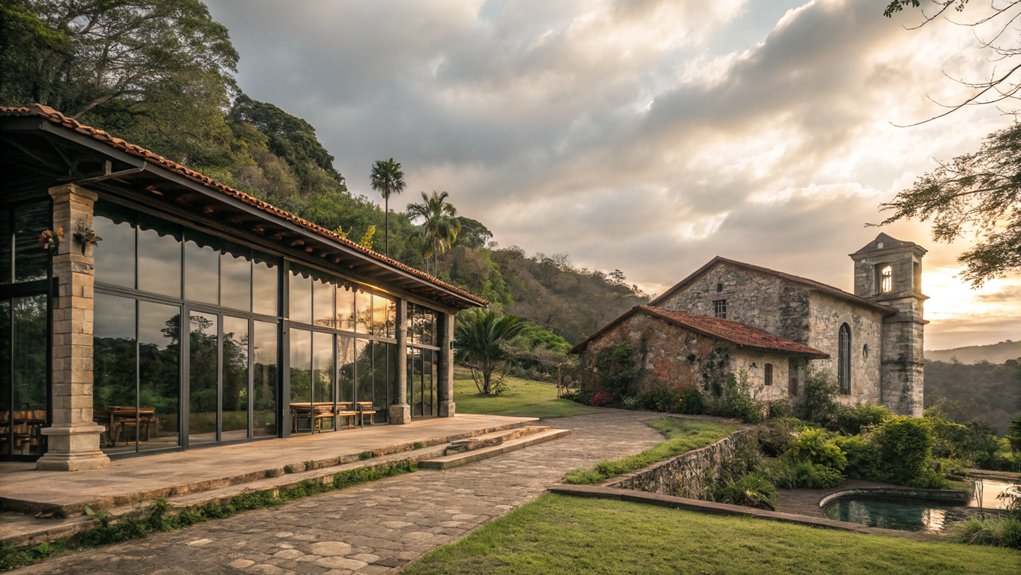
If you’re looking for a unique travel experience, El Salvador might just be the perfect destination. Known for its stunning surf spots and mouthwatering pupusas, this Central American gem offers adventure and culinary delights in equal measure. You can ride the waves or savor local flavors, all while enjoying a rich culture. But before you pack your bags, there are important details to reflect on that will shape your trip. Are you ready to explore?
Key Takeaways
- El Salvador offers incredible surf spots like Playa El Tunco and Punta Roca, ideal for all skill levels, especially from November to April.
- Pupusas, stuffed tortillas central to Salvadoran cuisine, come in various types and can be enjoyed at local eateries for affordable prices.
- San Óscar Arnulfo Romero International Airport serves as the primary entry point, with easy access to popular beach areas like El Tunco.
- Travelers require a $12 Tourist Card and should ensure their passport has at least six months’ validity for entry.
- Family-friendly activities include hiking to Tamanique Waterfalls and exploring Suchitoto’s cultural sites while practicing safety by avoiding isolated areas after dark.
Why Visit El Salvador for Surfing and Pupusas
If you’re looking for an adventure that combines stunning waves and delicious food, El Salvador should be on your radar.
This Central American gem features incredible surf spots like Playa El Tunco and Playa Sunzal, where you can catch consistent waves, whether you’re a beginner or an experienced surfer.
Beyond the surf, immerse yourself in the vibrant culinary scene, highlighted by pupusas—savory dishes made from corn or rice flour and stuffed with cheese, beans, or meat. They’re not only tasty but also wallet-friendly, usually costing between $0.75 and $3.
With the dry season running from November to April, you’ll find ideal surfing conditions and plenty of opportunities to enjoy the beach and pupusas, making your trip unforgettable.
Getting to El Salvador: Flights and Transfers
When you’re planning your trip to El Salvador, you’ll likely fly into San Óscar Arnulfo Romero International Airport.
With direct flights from cities like Miami, Los Angeles, and San Francisco, getting there’s a breeze.
Once you arrive, you’ll have several easy options for transfers, including Uber and private shuttles to reach your destination quickly.
Direct Flight Options
El Salvador is easily accessible thanks to multiple direct flight options from various U.S. cities. San Salvador’s main airport, San Óscar Arnulfo Romero International Airport (SAL), offers nonstop flights from Miami, Los Angeles, and Houston, with flight durations between 3 to 6 hours.
If you’re on the West Coast, Avianca provides competitive nonstop flights from San Francisco, making it easy for you to reach this beautiful destination. Once you land, you’ll find that popular beach areas like El Tunco are just a 45-minute drive away, so you can dive right into relaxation.
Additionally, travelers from neighboring countries can take regional buses or domestic flights to El Salvador, ensuring accessibility for everyone. You’ll also receive a Tourist Card upon arrival for smoother entry.
Airport Transfer Methods
Getting to your destination from San Óscar Arnulfo Romero International Airport (SAL) is straightforward, with several convenient transfer methods at your disposal.
You can easily catch an Uber for a budget-friendly ride or opt for private shuttle services if you prefer a more personalized experience.
Traditional taxis are available but be prepared to negotiate the fare or guarantee the meter is used.
If you’d rather explore at your own pace, car rentals are offered right at the airport, making it simple to access remote areas.
Additionally, if you’re arriving from neighboring countries, regional bus services link El Salvador to Guatemala and Honduras, broadening your travel options.
Your adventure begins as soon as you step off the plane!
Visa Requirements for Entering El Salvador
Wondering what it takes to enter El Salvador? Most visitors need a Tourist Card, which costs $12 and is valid for 90 days. You can get this card upon arrival at airports, border crossings, or seaports.
Just make sure your passport has at least six months left until expiration. Some travelers might receive a 180-day stay based on their nationality, so it’s vital to check specific visa requirements before your trip.
If you’re coming from many Central American countries, you can enter visa-free! Finally, it’s a good idea to have a printed copy of your travel itinerary and proof of return or onward travel, as that might be requested when you arrive.
Best Time for Surfing and Enjoying Local Cuisine
After sorting out your visa requirements, it’s time to contemplate the best opportunities for surfing and savoring the local cuisine in El Salvador. The dry season from November to April offers the ideal conditions for surfing, especially at El Tunco, where both beginners and experienced surfers flock. While riding those waves, don’t miss out on trying pupusas—those delicious, stuffed corn tortillas that are a local favorite, priced affordably from $0.75 to $3. Pair your surf sessions with fresh seafood from beachside shacks or upscale dining. Make sure to check out local food festivals in Juayúa for a deeper culinary experience.
| Activity | Best Time |
|---|---|
| Surfing | Nov – Apr |
| Pupusas | Year-round |
| Seafood | Year-round |
| Food Festivals | Weekends |
| El Tunco Beach | Year-round |
Navigating El Salvador: Transportation Options
When you’re in El Salvador, getting around is easy with various transportation options.
You can rely on ride-sharing services like Uber for affordable and convenient trips or consider renting a car for more flexibility in exploring the beautiful landscapes.
If you prefer public transit, just keep in mind that it can be tricky if you’re not familiar with Spanish.
Ride-Sharing Services Overview
In El Salvador, ride-sharing services like Uber make getting around easy and affordable, with rides typically costing around $2. Unlike traditional taxis, these services provide upfront pricing, eliminating any fare negotiation and enhancing your travel experience.
Whether you’re exploring San Salvador or heading to the beach at El Tunco, ride-sharing offers several advantages:
- Quick and efficient rides due to El Salvador’s compact size
- Accessibility in key urban areas and popular tourist spots
- A safer travel option for those unfamiliar with local routes
- Language barriers don’t matter, making it convenient for non-Spanish speakers
This flexible transportation option lets you enjoy your adventure without hassle, making it a great choice for anyone visiting the region.
Public Transportation Tips
Exploring El Salvador’s public transportation can be an adventure in itself. Consider hopping onto a colorful chicken bus; they’re an affordable local favorite, costing about $1 per ride. It’s a fun way to experience the culture, but be ready for a lively atmosphere.
For easier navigation, especially if you’re not fluent in Spanish, Uber is a fantastic option in urban areas like San Salvador. With rides averaging around $2, it’s both convenient and budget-friendly.
If you’re heading to the beach or making a short airport trip, booking a private shuttle can save you time and hassle. While public transit has its charm, stick to ride-sharing if you prefer a smoother travel experience.
Car Rental Guidelines
Renting a car offers you the flexibility to discover El Salvador at your own pace, making it a popular choice for travelers. Here are some key guidelines to keep in mind:
- Most rental agencies can be found at San Óscar Arnulfo Romero International Airport and major cities.
- Driving is generally safe on well-maintained roads, but watch for slow trucks and urban aggression.
- Rental prices range from $30 to $60 per day, depending on vehicle type and rental duration.
- Use GPS navigation like Waze to avoid tricky roads and manage busy traffic, especially in San Salvador.
Consider buying car insurance for peace of mind, as basic coverage mightn’t fully protect you against potential liabilities.
Enjoy your adventure!
Best Places to Surf in El Salvador
While you’re soaking up the sun in El Salvador, don’t miss the chance to hit some of the world’s best surf spots. Playa El Tunco is a must-visit, offering consistent waves year-round for all skill levels.
If you’re a beginner, head over to Playa Sunzal, where gentle right-hand waves and surf schools make it the ideal spot to learn. For experienced surfers, Punta Roca presents powerful waves and exciting competitions.
You’ll also enjoy the vibrant beach towns at El Zonte and La Libertad, which have fantastic local eateries where you can relax after a day of riding waves.
Pupusas 101: What You Need to Know
When it comes to pupusas, you’ve got plenty of delicious options to choose from, like the classic revueltas or the unique loroco.
If you’re feeling adventurous, why not try making them at home? With a few ingredients and some practice, you can enjoy this beloved Salvadoran dish anytime you want.
Types of Pupusas
Pupusas, the heart of Salvadoran cuisine, are delightful stuffed tortillas that come in various flavors and fillings. You’ll want to try a few popular types during your visit:
- Revuelta: A classic combination of cheese, beans, and chicharrón (fried pork).
- Pupusa de Frijoles: Filled with savory black beans, it’s often paired with a tangy slaw called curtido.
- Pupusa de Queso: Simply stuffed with cheese, perfect for cheese lovers.
- Pupusa de Pollo: Stuffed with seasoned chicken for a savory twist.
Usually served with salsa roja, a spicy tomato-based sauce, these tasty treats reflect Salvadoran culture.
You’ll find them in casual settings, making for a fun, communal dining experience!
Making Pupusas at Home
Making pupusas at home is easier than you might think and only requires a few simple ingredients. You’ll need masa harina, warm water, and your favorite fillings like cheese or beans. Here’s a quick overview of what you need to do:
| Ingredients | How to Prepare | Cooking Time |
|---|---|---|
| Masa harina | Mix with warm water to form dough | 3-5 minutes per side |
| Fillings | Choose from cheese, pork, loroco | Until golden brown |
| Curtido | Quick pickled cabbage slaw | Serve fresh |
| Salsa roja | Tomato sauce for dipping | Prepare in advance |
Once you’ve shaped your pupusas, cook them on a hot griddle. Enjoy them hot with curtido and salsa roja, and savor the taste of El Salvador!
Best Drinks and Desserts After Surfing in El Salvador
After a thrilling day catching waves in El Salvador, you’ll want to indulge in some rejuvenating drinks and delightful desserts that capture the essence of the region.
Treat yourself to these local favorites:
- Natural smoothies made from fresh mango, papaya, and pineapple to give you that invigorating boost.
- Coconut water served fresh from the coconut, perfect for hydration and replenishing electrolytes.
- Atol de elote, a warm sweet corn-based beverage, offers a comforting delight after your sun-soaked surfing sessions.
- Riguas, a sweet corn cake topped with cheese or cream, provides a rich depth of flavor you won’t want to miss.
These treats are sure to enhance your El Salvador experience while cooling you down after hitting the waves!
Family-Friendly Activities Beyond Surfing
While surfing is a highlight for many visitors, El Salvador offers a wealth of family-friendly activities that cater to all ages.
You’ll love exploring the stunning waterfalls in Tamanique, where guided hikes lead to safe swimming spots in natural pools. For adventurous families, the 7 Waterfalls Tour in Juayúa provides a thrilling four-hour hiking and swimming experience.
Immerse yourselves in culture at Suchitoto, wandering cobblestone streets and participating in indigo dyeing workshops. If you seek relaxation, head to Lake Coatepeque for boating, swimming, and picnicking.
Don’t miss the local food festivals in Juayúa on weekends, where you can taste a variety of delicious Salvadoran dishes and share a culinary adventure that everyone will remember!
Your Day-by-Day Surf and Culinary Itinerary
To truly experience the best of El Salvador’s surf and culinary delights, plan a day-by-day itinerary that balances thrilling waves with mouthwatering meals.
Start your mornings with surf lessons at Playa El Tunco, where you’ll catch waves perfect for your skill level. After a few hours in the water, indulge in delicious pupusas from local eateries.
Consider this daily plan:
- Morning: Surf at Playa Sunzal, embracing the consistent breaks.
- Lunch: Savor pupusas topped with your favorite fillings for a hearty meal.
- Afternoon: Explore the Juayúa weekend market for culinary treasures.
- Evening: Relax by the beach, enjoying a sunset with local dishes nearby.
With this itinerary, you’ll immerse yourself in both surfing and savoring!
Recommended Accommodations for Surf and Culinary Experiences
As you explore the surf and culinary scene in El Salvador, choosing the right place to stay can enhance your experience.
In El Tunco, you’ll find a mix of accommodations, from hostels to boutique hotels, catering to both surfers and food lovers.
For relaxation between surf sessions, consider Atami Escape Resort, which boasts saltwater rock pools and direct beach access.
If you’re traveling with family, Villa Bonita in Tamanique offers a pool and hammocks for added comfort.
After a day on the waves, indulge in fresh seafood and traditional pupusas at Covana Kitchen.
Additionally, local spots like Comedor Yani serve authentic Salvadoran breakfasts and lunches, giving you a true taste of the area’s culinary delights.
Staying Safe and Healthy While Traveling in El Salvador
Traveling in El Salvador can be a rewarding experience, but staying safe and healthy is essential. With a significant reduction in violence, tourists can feel more secure thanks to a strong security presence in popular areas.
However, using common sense is vital for your safety.
Here are some tips to keep in mind:
- Avoid isolated areas after dark.
- Carry cash, as not all places accept credit cards, and enjoy budget-friendly street food.
- Stay hydrated, especially in the humid climate.
- Use insect repellent to prevent mosquito bites, particularly during the wet season.
Frequently Asked Questions
What Surfboards Are Best for Beginners in El Salvador?
For beginners, soft-top longboards are best. They’re stable, forgiving, and help you catch waves easily. Look for boards around 8-9 feet; you’ll feel more comfortable as you learn to balance and paddle effectively.
Are Pupusas Gluten-Free or Vegetarian Options Available?
Yes, pupusas can be gluten-free and vegetarian. They’re traditionally made with rice flour, and you can choose fillings like cheese, beans, or vegetables. Just check with local vendors to confirm their ingredients. Enjoy your meal!
Can I Surf in El Salvador Year-Round?
Yes, you can surf in El Salvador year-round. The consistent waves cater to all skill levels, making it a surfer’s paradise. Just check local weather and swell forecasts to find the best conditions for your adventure!
What Is the Average Cost of Surf Lessons?
Surf lessons typically cost around $30 to $100 per session, depending on the duration and location. Many places offer package deals that can save you money if you’re planning multiple lessons during your visit.
How Do I Find Local Pupusa Vendors?
To find local pupusa vendors, just ask locals where their favorite spots are, explore busy markets, or use social media platforms for recommendations. You’ll discover delicious pupusas that’ll make your taste buds dance!
Related posts:

Arkansas Travel Itinerary: Natural State Hidden Gems

Solo Travel at 19 for First Time Adventures

Solo Trip Ideas for Unique and Memorable Experiences

Wales Travel Itinerary: Dragons, Castles, and Coastline

2-Day Travel Itinerary: Weekend Getaway Maximized

Leave a Reply