
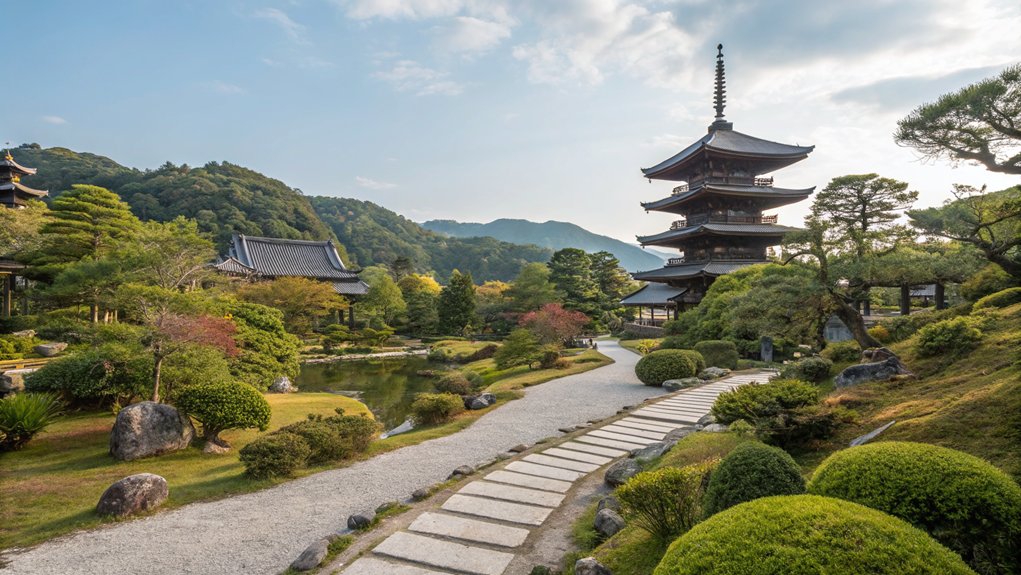
When you think about solo travel, Kyoto beckons with its serene temples, lush gardens, and calming tea ceremonies. You’ll find a space for introspection among the historic sites, each offering a unique glimpse into Japan’s rich culture. As you wander the vibrant trails and explore the tranquil grounds, you might discover something unexpected about yourself. What will these experiences reveal to you on your journey?
Key Takeaways
- Explore Kyoto’s historic temples, like Kiyomizu-dera and Fushimi Inari Taisha, for breathtaking architecture and serene views.
- Engage in Japanese tea ceremonies to experience mindfulness and connect with traditional culture in tranquil tea house settings.
- Discover Zen gardens, such as Ryoan-ji, emphasizing simplicity and arrangement for peaceful reflection and meditation.
- Visit during seasonal highlights, like cherry blossoms in spring or autumn leaves, for enhanced visual experiences and tranquility.
- Join workshops and tours in the Gion District to meet fellow travelers and immerse in local culture.
The Tranquil Benefits of Solo Travel in Kyoto
When you set out on a solo journey through Kyoto, you reveal a world of tranquility that invites personal reflection.
The serene Karesansui gardens, with their minimalist designs, encourage a meditative state, allowing you to connect deeply with your thoughts. Engaging in a traditional tea ceremony brings you closer to Japan’s rich culture while fostering mindfulness in a peaceful setting.
Wandering through quiet temples like Kiyomizu-dera, you can immerse yourself in breathtaking architecture and natural beauty, finding solace in solitary exploration. Early morning visits to Fushimi Inari Taisha let you hike scenic trails without crowds, enhancing introspection.
With a safety rating of 1, Kyoto offers a secure environment for transformative cultural experiences, empowering your solo adventure.
Discovering Kyoto’s Historic Temples
As you stroll through Kyoto, you’re instantly captivated by the city’s historic temples, each offering a unique glimpse into Japan’s architectural brilliance and spiritual heritage.
With over 1,600 temples, you’ll find treasures like Kiyomizu-dera, where stunning views and a tranquil atmosphere await you.
Fushimi Inari Taisha entices you with its iconic red torii gates winding up Mount Inari, creating an unforgettable experience.
Don’t miss Nijo Castle, where the nightingale floors echo the past, immersing you in shogunate history.
- Experience the minimalist beauty of Ryoan-ji’s dry landscape garden.
- Enjoy a peaceful moment at Kodaiji Temple’s serene Zen gardens.
- Capture breathtaking views from Kiyomizu-dera’s wooden terrace.
Finding Tranquility: Solo Experiences in Japanese Tea Ceremonies
Experiencing a Japanese tea ceremony in Kyoto offers you a chance to find tranquility amid the city’s hustle.
As you engage in the meticulous matcha rituals, you’ll not only savor the flavors but also embrace mindfulness and reflection.
This meditative practice invites you to connect deeply with tradition while enjoying a serene moment just for yourself.
Meditative Tea Ceremony Benefits
Stepping into a traditional tea house in Kyoto, you find yourself enveloped in an atmosphere that encourages contemplation and tranquility. The Japanese tea ceremony not only offers a moment of peace but also promotes mindfulness through its intricate gestures.
As you immerse yourself in the serene surroundings, you can:
- Reflect on personal insights, allowing for self-discovery.
- Experience a deeper connection to Japanese traditions through detailed explanations from skilled tea masters.
- Enjoy the calming effects of the tea house’s environment, ideal for quiet introspection.
These meditative benefits enable you to find clarity and embrace the essence of Zen Buddhism, providing a tranquil escape from Kyoto’s vibrant heritage.
Engage fully, and let the ceremony guide you to inner peace.
Engaging in Matcha Rituals
Immerse yourself in the ritual of matcha preparation, where the calming process unfolds like poetry. Engaging in a traditional tea ceremony in Kyoto offers a unique chance to experience the meditative art of matcha.
You’ll witness the meticulously orchestrated movements of the tea master, promoting tranquility and respect for this cherished ritual. As you savor your matcha, complemented by delectable wagashi sweets, you’ll find yourself embraced by serenity in the intimate setting of places like En Tea House in the Gion District or Kodaiji Temple Tea House, surrounded by Zen gardens.
With prices ranging from $23 to $48, this immersive cultural experience invites you to slow down, reflect, and truly appreciate the moment. Enjoy the beauty of solitude and connection through matcha.
The Philosophy and Mindfulness of Zen Gardens
When you step into a Zen garden, you’ll immediately notice the calming principles at play through its simplicity and design.
Observing the carefully raked gravel and positioned rocks allows you to reflect and cultivate mindfulness in your thoughts. Each element is intentional, inviting you to embrace the quiet beauty and find peace within yourself.
Zen Garden Principles
Zen gardens, or karesansui, invite you into a world of tranquility and reflection. These landscapes emphasize simplicity, using gravel and rocks to create abstract representations of nature, fostering a peaceful mindset.
When you visit, you’ll notice that fundamental principles like harmony, balance, and tranquility dominate the design. Each element is strategically placed, holding symbolic meaning and encouraging introspection.
- Experience the calming effect of minimalistic design.
- Engage with the symbolism of every rock and grain of gravel.
- Allow the garden’s arrangement to inspire personal reflections.
As you stroll through the garden, you’ll find that these principles not only enhance the view but also support your journey towards mental clarity and serenity.
Mindfulness Through Observation
The serene atmosphere of Zen gardens invites you into a mindful state, where observation becomes a form of meditation. In these Karesansui gardens, gravel and rocks are arranged with intention, encouraging you to contemplate their simplicity.
The absence of water stimulates your imagination, allowing for deeper reflection. At renowned sites like Ryoan-ji Temple, the minimalistic design challenges you with its visual puzzles, prompting personal interpretation and a connection to nature.
Engaging with these gardens aligns perfectly with Zen Buddhism principles, as you cultivate tranquility and mindfulness. The quiet ambiance and aesthetic beauty make every visit a rich experience, helping you appreciate not only the gardens themselves but also the profound cultural heritage of Japan.
Elements of Simplicity
Simplicity in design permeates the essence of Karesansui gardens, drawing you into a world where every element has purpose. These Zen gardens invite you to engage in mindfulness as you explore their minimalist layouts, characterized by gravel and rocks. You’ll find beauty in the elegant restraint that encourages personal reflection.
- Contemplate harmony and simplicity in the arrangement of stones, like the famous 15 at Ryoan-ji Temple.
- Experience tranquility without water, focusing your thoughts on the nature around you.
- Enjoy the balance between the gardens’ designs and the profound philosophies they embody, each inviting your interpretation and understanding.
Embrace this serene environment to deepen your appreciation of both nature and self.
Top Zen Gardens in Kyoto for Solo Reflection
Finding tranquility amidst Kyoto’s bustling streets is easy when you explore its renowned Zen gardens, each offering a unique space for introspection and peace. The Ryoan-ji Temple’s Karesansui garden, with its mysterious 15 stones, invites you to ponder. At the Nanzen-ji Temple complex, various gardens accentuate minimalism and tranquility, enhancing your reflective journey. Daitoku-ji Temple showcases sub-temples with exquisite gardens that embody traditional Japanese elegance. The gardens surrounding Kinkaku-ji radiate harmony, beautifully mirroring the Golden Pavilion. For the best experience, visit these serene gardens early in the morning, ensuring solitude and deeper engagement.
| Garden Name | Notable Features | Ideal Visit Time |
|---|---|---|
| Ryoan-ji | 15 arranged stones | Early morning |
| Nanzen-ji | Several serene gardens | Early morning |
| Daitoku-ji | Exquisite sub-temples | Early morning |
| Kinkaku-ji | Pond reflections | Early morning |
Walk the Path of Torii Gates at Fushimi Inari
After soaking in the tranquility of Kyoto’s Zen gardens, you can venture to Fushimi Inari Taisha, home to thousands of iconic red torii gates.
As you walk the vibrant pathway winding through Mount Inari, take your time to explore the 2.5-mile trail. Early morning visits are ideal for experiencing a peaceful atmosphere before the crowds arrive.
Don’t miss the Yotsutsuji intersection, where you can pause and enjoy stunning panoramic views of Kyoto.
- Take your time to discover smaller shrines along the path.
- Capture photos of the mesmerizing gates and lush landscapes.
- Visit 24/7 for flexibility in soaking up the serene culture.
Immerse yourself in this unforgettable journey at Fushimi Inari.
Experience the Serenity of Kiyomizu-dera Temple
Nestled in the heart of Kyoto, Kiyomizu-dera Temple invites you to experience its serene beauty and rich history.
A UNESCO World Heritage Site, this temple’s iconic wooden stage extends over 13 meters above the hillside, offering breathtaking views of cherry and maple trees. Founded in 778 AD and dedicated to Kannon, the Buddhist deity of mercy, Kiyomizu-dera features beautifully landscaped gardens that change with the seasons, painting vibrant scenes during cherry blossom and autumn leaf seasons.
While you’re there, visit the Otowa Waterfall, where drinking from one of the three streams is said to grant good luck.
Easily accessible by public transport, the temple provides a peaceful retreat from Kyoto’s bustling atmosphere, perfect for solo travelers seeking tranquility.
What You’ll Discover at Nijo Castle
At Nijo Castle, you’ll uncover a treasure trove of Japanese history and culture. Built in 1603 as the shogun’s residence, this UNESCO World Heritage Site boasts stunning interiors and unique “nightingale floors” that chirp underfoot.
As you wander the beautiful gardens, you’ll witness seasonal changes, especially the breathtaking cherry blossoms from late March to early April.
- Explore historical artifacts that reflect the grandeur of the Edo period.
- Admire intricate architecture showcasing Japan’s artistic heritage.
- Visit early in the morning for a peaceful experience with fewer crowds.
Nijo Castle invites you to step back in time and appreciate its significance while enjoying an enchanting atmosphere.
Finding Peace in Arashiyama’s Bamboo Grove
Stepping into Arashiyama’s Bamboo Grove feels like entering a different world, where towering bamboo stalks soar above you, creating a serene escape from the hustle and bustle of city life. To truly appreciate the peace, visit early in the morning when the crowds are minimal. The grove offers a 2.5-mile trail, allowing for flexible exploration with options for solitude and unique views.
| Nearby Attractions | Cultural Insights |
|---|---|
| Temples | Significance of bamboo in culture |
| Katsura River | Guided tours available |
| Scenic views | Tranquil paths to explore |
| Photography spots | History of the bamboo grove |
Immerse yourself in this tranquil experience, where nature and culture intertwine beautifully.
Culinary Adventures at Nishiki Market
At Nishiki Market, you’re in for a treat with unique food samples around every corner, making it a paradise for culinary enthusiasts.
You can even join workshops that offer hands-on experiences to learn about local cuisine and its cultural significance.
Be prepared to gather insights from vendors while sampling their delicious offerings!
Unique Food Samples
Nishiki Market presents a food lover’s dream, boasting over 100 stalls that offer a stunning variety of fresh seafood and local delicacies.
Morning visits are ideal to avoid the crowd, allowing you to leisurely explore the vibrant stalls. With many vendors providing small portion samples, this market encourages you to taste a range of foods and find new favorites.
Don’t miss these must-try items during your culinary adventure:
- Yatsuhashi: A traditional sweet filled with red bean paste, encapsulating Kyoto’s unique flavors.
- Grilled seafood skewers: Freshly prepared, these bites are a flavor explosion.
- Pickled vegetables: A delightful assortment that showcases local preservation methods.
Dive into Nishiki Market’s flavors and enjoy this culinary paradise!
Culinary Workshops Available
After indulging in the delectable samples at Nishiki Market, you can take your culinary experience to the next level with hands-on workshops that teach you the art of Kyoto cuisine.
Immerse yourself in traditional cooking classes where you’ll learn essential techniques and flavors unique to this historic city. With over 100 shops and restaurants at your fingertips, these workshops often incorporate fresh ingredients and local delicacies right from the market.
You won’t want to miss trying yatsuhashi, a delicious sweet treat filled with red bean paste, during your culinary journey.
If you’re looking for a more personalized experience, consider signing up for a private tour, which allows you to customize your culinary adventure while enjoying high ratings from previous participants.
Cultural Insights Given
Exploring the vibrant culinary scene at Nishiki Market offers you a wealth of cultural insights that go beyond just tasting food.
This bustling market, often referred to as Kyoto’s Kitchen, is the perfect place to immerse yourself in local flavors and traditions. Visiting in the morning lets you dodge the crowds, making for a relaxed exploration.
Here are some highlights you shouldn’t miss:
- Sample yatsuhashi, a delightful sweet treat made with red bean paste, a regional favorite.
- Join customizable private tours to enhance your culinary journey and learn more about local ingredients.
- Capture unique photography opportunities while enjoying the vibrant atmosphere and colors of the market.
Nishiki Market truly enriches your understanding of Kyoto’s culinary heritage!
Iconic Photography Spots for Solo Travelers in Kyoto
Are you ready to capture the essence of Kyoto through your lens? Here are some iconic photography spots that you won’t want to miss. Start your day at the Arashiyama Bamboo Grove early in the morning for enchanting shots among towering stalks. Next, hike the 2.5-mile trail of Fushimi Inari Taisha, lined with thousands of red torii gates, for stunning vistas. The tranquil Kinkaku-ji, or Golden Pavilion, offers breathtaking reflections in the surrounding pond. Ryoan-ji Temple’s Karesansui garden showcases minimalist beauty perfect for thoughtful captures. Finally, head to the Kyoto Tower’s observation deck during sunrise or sunset for panoramic cityscapes.
| Location | Best Time |
|---|---|
| Arashiyama Bamboo Grove | Early Morning |
| Fushimi Inari Taisha | Anytime |
| Kinkaku-ji | Midday |
| Ryoan-ji | Morning or Afternoon |
| Kyoto Tower | Sunrise/Sunset |
Planning Your Ideal Solo Adventure in Kyoto
When planning your ideal solo adventure in Kyoto, you won’t want to miss the must-see temples and shrines that showcase the city’s rich history and stunning architecture.
Take advantage of unique cultural workshops available throughout the area to immerse yourself in traditional Japanese practices.
These experiences will enrich your journey and create lasting memories.
Must-See Temples and Shrines
Kyoto’s rich tapestry of temples and shrines invites solo travelers to set out on a remarkable journey of discovery and tranquility.
You’ll find yourself enchanted by the iconic sites, each offering a unique charm:
- Fushimi Inari Taisha: Wander through thousands of vibrant red torii gates along a 2.5-mile trail, where you can lose yourself in serene solitude.
- Kiyomizu-dera Temple: Experience breathtaking views from its wooden stage, especially during cherry blossom and autumn foliage seasons, creating unforgettable photo ops.
- Ryoan-ji Temple: Contemplate the mysterious arrangements of stones in the renowned rock garden, inviting deep reflection and peace.
Embrace these must-see treasures for an enriching solo adventure in Kyoto!
Unique Cultural Workshops Available
Exploring the unique cultural workshops in Kyoto opens a gateway to authentic Japanese experiences that enrich your solo adventure. You can immerse yourself in traditional practices like tea ceremonies, cooking classes, and calligraphy sessions. Kimono dressing experiences are particularly popular, allowing you to fully embrace the culture.
These workshops offer hands-on participation, guided by skilled artisans, and are often set in the historic districts of Gion and Kiyomizu, enhancing your experience. Here’s a quick look at some options:
| Workshop Type | Price Range | Location |
|---|---|---|
| Tea Ceremony | $23 – $48 | Gion |
| Cooking Class | $30 – $60 | Kiyomizu |
| Calligraphy Session | $20 – $40 | Gion |
| Kimono Dressing | $40 – $80 | Kiyomizu |
Tips for Reflection and Mindfulness as a Solo Traveler
As you wander through the serene streets of Kyoto, embracing moments of solitude can lead to profound self-reflection and mindfulness.
Engage deeply in a traditional tea ceremony, allowing the slow preparation of matcha to anchor you in the present. Seek out tranquil locations like Kiyomizu-dera or Kodaiji Temple, where you can connect with nature and reflect quietly on your journey.
Utilize the simplicity of Karesansui gardens to meditate on the beauty around you.
- Dress respectfully in a kimono during tea ceremonies to foster a deeper cultural connection.
- Participate in intimate tea house settings, guided by knowledgeable masters for reflective insights.
- Take mindful walks through serene temples and gardens to enhance your contemplative experience.
How Can You Connect With Other Travelers in Kyoto?
How can you forge connections with fellow travelers while experiencing the rich culture of Kyoto? Start by joining curated group tours on platforms like GetYourGuide. These tours immerse you in shared experiences, fostering connections with others.
Participate in workshops, such as cooking classes or tea ceremonies, where the communal vibe naturally encourages interaction. Attend guided tours in popular spots like the Gion District, where chance encounters can lead to new friendships.
Food tours at Nishiki Market offer a perfect setting to mingle while sampling local delicacies.
Additionally, leverage social media platforms or travel blogs to connect with fellow travelers before or during your trip, scheduling meet-ups or joining shared experiences, making your solo adventure in Kyoto even more enriching.
Frequently Asked Questions
Are Tea Ceremonies Worth It in Kyoto?
Absolutely, tea ceremonies in Kyoto are worth it. You’ll immerse yourself in Japanese culture, experience tranquility, and connect with ancient traditions. Plus, engaging with skilled tea masters enhances your overall journey and personal reflection.
What to Do in Kyoto as a Solo Traveler?
As a solo traveler in Kyoto, immerse yourself in a traditional tea ceremony, explore Fushimi Inari’s torii gates, stroll through Arashiyama Bamboo Forest, and visit Nijo Castle for a rich cultural experience.
What Are the Top 5 Zen Temples in Kyoto?
You’ll love Kinkaku-ji, Ryoan-ji, Daitoku-ji, Higashi Hunzan-ji, and Nanzen-ji. Each temple offers stunning gardens, tranquil atmospheres, and rich Zen traditions that’ll inspire contemplation and reflection during your Kyoto adventure.
How Long Does It Take to Walk Around Kyoto Garden?
Walking around Kyoto gardens typically takes you anywhere from 30 minutes to 2 hours. Your pace and personal interest can influence the duration, especially at larger sites with beautiful paths and scenic displays.
Leave a Reply