
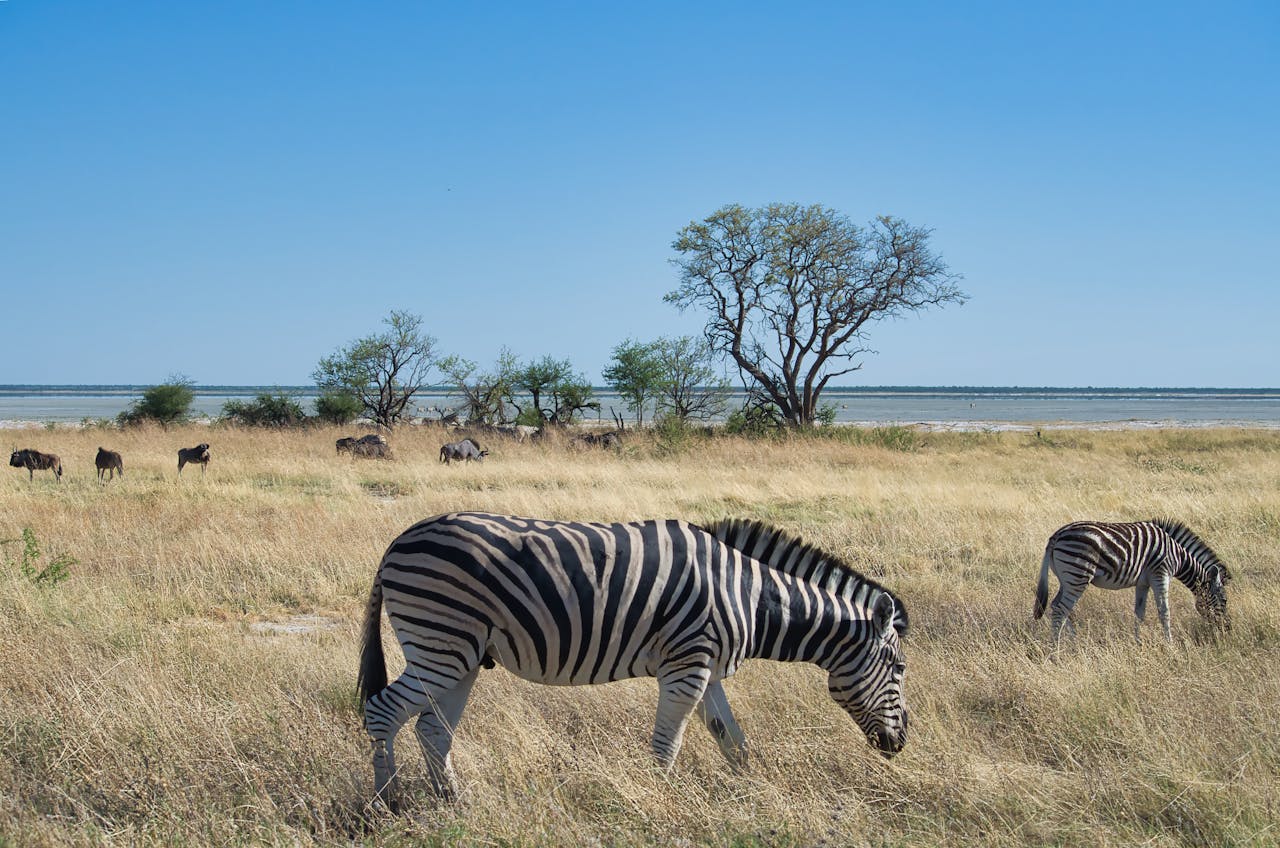
When you consider solo travel in Africa, you’re stepping into a world of breathtaking landscapes and rich cultural experiences. You’ll find iconic safari destinations that offer more than just wildlife; they provide opportunities for personal growth. The freedom to explore at your own pace is empowering, but it also comes with unique challenges. How do you navigate these experiences safely and meaningfully? Let’s explore what awaits you on this extraordinary journey.
Key Takeaways
- Solo travel in Africa offers flexibility to explore diverse landscapes and wildlife at your own pace, enhancing your adventure experience.
- Engaging with local cultures through community-led tours fosters meaningful connections and supports local economies during your safari.
- Popular safari destinations like Kenya, Tanzania, and Uganda provide unique opportunities for wildlife experiences, including the Great Migration and gorilla trekking.
- Prioritize health and safety by obtaining vaccinations, choosing reputable operators, and familiarizing yourself with wildlife guidelines.
- Customizing your itinerary allows for a balance of wildlife exploration and cultural immersion, enriching your solo travel experience.
Why Choose Solo Travel in Africa?
When you choose to travel solo in Africa, you open a world of empowerment and flexibility that group travel simply can’t offer. You can explore stunning landscapes, unique wildlife, and rich cultures at your own pace, free from the constraints of a set itinerary.
This journey allows you to forge deep cultural connections through meaningful interactions with local guides and residents that enhance your experience and spark personal growth.
Solo safaris let you engage with nature deeply, creating unforgettable encounters that can transform your perspective. Plus, you can strike a balance between social activities and quiet reflection, participating in group adventures or enjoying serene moments by the campfire.
With organized experiences from reputable operators, you’ll confidently discover Africa’s beauty.
Top Safari Destinations for Solo Adventures
Which incredible safari destination will you choose for your solo adventure in Africa?
Kenya offers breathtaking wildlife encounters during the Great Migration, especially in the Maasai Mara, where you’ll also connect with local tribes.
Botswana, with its Okavango Delta and Chobe National Park, showcases diverse ecosystems and abundant wildlife—perfect for solo travelers.
If you’re seeking adventure, Uganda ranks high for gorilla trekking in Bwindi Impenetrable Forest, boasting a 90% success rate for sightings.
Don’t overlook Rwanda, the “Land of a Thousand Hills,” where exceptional gorilla trekking and stunning landscapes await.
Finally, Tanzania presents diverse parks like Serengeti and Ngorongoro Crater, home to the Big Five, offering unforgettable experiences tailored for solo travelers like you.
Explore Ghanaian culture and heritage through vibrant festivals, warm hospitality, and rich history that add another unforgettable layer to your solo journey across Africa.
What to Expect From Your First Safari
Have you ever imagined witnessing majestic wildlife up close? Your first safari promises breathtaking encounters with iconic animals like lions, elephants, and giraffes in their natural habitats, especially in renowned parks like Maasai Mara and Kruger National Park.
Expect a unique blend of adventure and tranquility as you experience moments of peaceful solitude alongside thrilling game drives with fellow travelers. Schedule your safari for the dry season (June to October) when animals gather around scarce water sources, making them easier to spot.
You’ll enjoy guided activities interspersed with personal time for reflection, allowing a deep connection with the environment and wildlife. Get ready for an unforgettable journey into Africa’s heart, filled with incredible sights and experiences.
How to Engage Safely With Local Cultures on Safari?
Engaging with local cultures on safari enriches your experience, allowing you to connect with the vibrant traditions and lifestyles of African communities.
To do this, participate in community-led tours or workshops, which foster direct interactions while supporting local economies. Always show respect for cultural customs; ask for permission before taking photos or joining in traditional practices.
Staying in locally-owned accommodations provides insights into local traditions and meaningful community connections. Learning a few key phrases in the local language, like greetings or expressions of gratitude, helps build rapport and respect.
Finally, seek guidance from your safari guides, who can offer valuable context about local customs and cultural sites, ensuring your engagements are respectful and enriching. Rwanda’s clean and green environment also reflects the country’s strong commitment to responsible tourism.
Essential Safety Tips for Solo Travelers
Experiencing the rich cultures of Africa while on safari is certainly rewarding, but ensuring your safety as a solo traveler is just as important. Here are some essential safety tips you should consider:
| Tip | Description | Importance |
|---|---|---|
| Choose Reputable Operators | Select safari companies with positive reviews. | Safety & Reliability |
| Stay Connected | Use local SIM cards or portable Wi-Fi for communication. | Peace of Mind |
| Follow Wildlife Guidelines | Adhere to rules set by your guides for wildlife encounters. | Personal Safety |
| Exercise Caution | Stay alert in urban areas and avoid unfamiliar places. | Risk Reduction |
| Carry a First Aid Kit | Pack essentials for minor injuries while on safari. | Emergency Preparedness |
Navigating Accommodations and Single Supplement Costs
When planning your solo adventure in Africa, understanding accommodation options and potential single supplement costs is essential.
Most places charge based on double occupancy, which means you might face single supplement fees ranging from 25% to 75%.
Luckily, there are ways to navigate this:
- Look for low-season travel to waive or reduce single supplement fees.
- Book early to secure lodges with single supplement options.
- Communicate your preferences for room types with your travel agent.
- Seek accommodations that specifically cater to solo travelers.
- Opt for private rooms with queen or king-sized beds in lodges or tents.
Botswana also offers unforgettable experiences like mokoro rides in the Okavango Delta, making it easy to pair comfortable stays with authentic wildlife adventures.
Best Nature Activities for Solo Travelers
Solo travel in Africa offers a treasure trove of nature activities that can ignite your adventurous spirit.
Begin thrilling game drives in Botswana and Tanzania, where witnessing the Great Migration or spotting the Big Five creates unforgettable memories.
Join guided nature walks in Uganda’s Bwindi Impenetrable Forest for an intimate gorilla trekking experience, boasting a 90% success rate for sightings.
Try a mokoro safari in the Okavango Delta, allowing you to soak in the serenity of Africa’s waterways while spotting wildlife.
Add excitement to your journey with a night safari in various reserves and experience the thrill of observing nocturnal animals.
Don’t forget to visit cultural villages in Kenya and Zimbabwe to forge deeper connections to the rich local traditions.
What Health and Safety Should You Know Before You Go?
Before you head off on your solo adventure in Africa, you need to prioritize your health and safety.
Make sure you get the necessary vaccinations, pack a first aid kit, and familiarize yourself with important safety guidelines.
It’s also essential to have all your emergency contact information handy, just in case you need it.
South Africa is a top meetings destination that also offers rich cultural, natural, and historical attractions for travelers.
Vaccinations and Medical Precautions
Vaccinations and medical precautions are essential for a safe solo travel experience in Africa. Before you start your journey, make certain to check specific entry requirements for each country you plan to visit.
Here are some vital health tips:
- Get vaccinated for yellow fever if arriving from an endemic region.
- Consider malaria prophylaxis for safari areas in Kenya, Tanzania, and Botswana.
- Verify routine vaccinations, like MMR and tetanus-diphtheria, are up to date.
- Consult a healthcare provider or travel clinic 4 to 6 weeks before departure for tailored advice.
- Carry a basic first aid kit to manage common health issues in remote areas.
Taking these precautions will help you enjoy your African adventure with peace of mind!
Safety Guidelines While Traveling
When traveling in Africa, adhering to safety guidelines is essential for a smooth and enjoyable experience.
Choose reputable safari operators with positive reviews to guarantee professionalism and safety during your adventures.
Stay connected by acquiring local SIM cards or portable Wi-Fi devices, so you can communicate with friends or family easily.
Familiarize yourself with wildlife guidelines and always follow park rules and guides’ instructions when encountering animals—your safety depends on it.
In urban areas, exercise caution, especially at night, and avoid walking alone in unfamiliar places.
Finally, pack a thorough first aid kit with essential items for minor injuries. Always carry it to handle any health issues that may arise during your safari adventure.
Stay safe and happy travels!
Emergency Contact Information Essentials
Having the right emergency contact information at your fingertips can make all the difference during your solo safari in Africa.
Before you go, make sure you’ve gathered essential contacts and resources.
- Local emergency contacts, including the nearest hospital and police station
- Registration with your country’s embassy or consulate for safety updates
- International travel insurance that covers medical emergencies and evacuations
- A well-stocked first aid kit with antiseptics, band-aids, and common medications
- Familiarity with health advisories regarding required vaccinations (like Yellow Fever) and disease precautions
With this information on hand, you can focus more on enjoying your adventure and less on worrying about what could go wrong.
Stay safe, and have a fantastic safari experience!
Tips for Customizing Your Safari Itinerary
Customizing your safari itinerary can make all the difference in creating a memorable experience tailored just for you. To get started, consider the following tips:
| Tip | Description |
|---|---|
| Book Early | Secure accommodations with lower single supplement fees. |
| Tailor-Made Itineraries | Customize based on interests like wildlife or culture. |
| Communicate Clearly | Share your preferences with your travel agent. |
| Include Social Activities | Plan game drives and guided walks to meet others. |
| Factor in Logistics | Consider park fees and travel times for smooth planning. |
Transformative Growth Through Solo Travel Experiences
When you travel solo in Africa, you’ll face personal challenges that push you to grow in ways you never expected.
Building connections with locals and fellow travelers enriches your experience and can lead to lifelong friendships.
Embracing these moments not only boosts your confidence but also deepens your understanding of the world around you.
Embracing Personal Challenges
Embracing personal challenges during solo travel in Africa can lead to transformative growth, as each encounter pushes you beyond your comfort zone. You’ll confront fears, break barriers, and develop new skills that shape your journey.
Consider these enriching experiences:
- Encountering wildlife up close, boosting your confidence and resilience.
- Engaging with local communities for unique insights into diverse lifestyles.
- Finding solitude in nature, inviting introspection and reflection.
- Participating in group activities on safaris, enhancing the adventure.
- Crafting your own itinerary, tailoring experiences to your interests for deeper self-discovery.
As you tackle each challenge, you’ll discover a more empowered version of yourself, embracing the magic of solo travel in Africa’s vast, transformative landscapes.
Building Lasting Connections
How do meaningful connections enhance your solo travel experience in Africa? When you engage with local communities, you gain invaluable insights into their diverse cultures and traditions, which enrich your understanding and foster personal growth.
Working with local guides during safaris in Kenya or Tanzania allows you to connect deeply with the wildlife and learn about conservation efforts. Participating in shared activities like game drives and nature walks creates camaraderie, leading to friendships that can last well beyond your trip.
Intimate encounters with wildlife evoke emotional connections, deepening your appreciation for nature. As you face challenges in unfamiliar landscapes, you’ll likely find your confidence and resilience blossoming, transforming your adventure into a profound journey of self-discovery.
Essential Packing List for Your Solo African Safari
Packing for your solo African safari is essential to ensure a comfortable and enjoyable experience in the wild.
You’ll want to make certain you have everything you need to explore nature’s wonders while being safe and comfortable. Here’s a quick list of must-haves:
- Lightweight, breathable clothing in neutral colors
- Sturdy walking shoes and relaxing sandals
- Binoculars for wildlife viewing
- Sunscreen, a wide-brimmed hat, and insect repellent
- A well-stocked first aid kit
With these essentials, you’ll blend in with the environment, protect yourself from the sun and bugs, and stay equipped for any surprises.
Happy packing, and prepare for an unforgettable adventure!
Frequently Asked Questions
How Do I Choose the Right Safari Tour Operator for Solo Travel?
To choose the right safari tour operator for solo travel, research their reputation, read reviews, compare itineraries, and guarantee they prioritize safety. Don’t hesitate to ask questions and verify their experience with solo travelers.
What Budget Should I Plan for a Solo Safari Trip?
You should plan a budget of at least $150 to $500 per day, depending on accommodations and activities. Factor in park fees, food, and transportation to guarantee a meaningful and enjoyable safari experience.
Is It Safe to Travel Alone in Remote Areas of Africa?
Yes, it can be safe to travel alone in remote areas of Africa, but you’ll need to stay aware of your surroundings, choose safe accommodations, and connect with local guides for the best experience.
Can I Join Group Tours While Staying a Solo Traveler?
Yes, you can definitely join group tours while staying a solo traveler. Many companies welcome solo adventurers, offering you a chance to meet new people, share experiences, and explore destinations safely and enjoyably.
What Common Wildlife Can I Expect to See on Safari?
On safari, you’re likely to see lions, elephants, giraffes, zebras, and rhinos. Each creature has its own unique behaviors and habitats, making every encounter an unforgettable part of your adventure in the wild.
Leave a Reply