
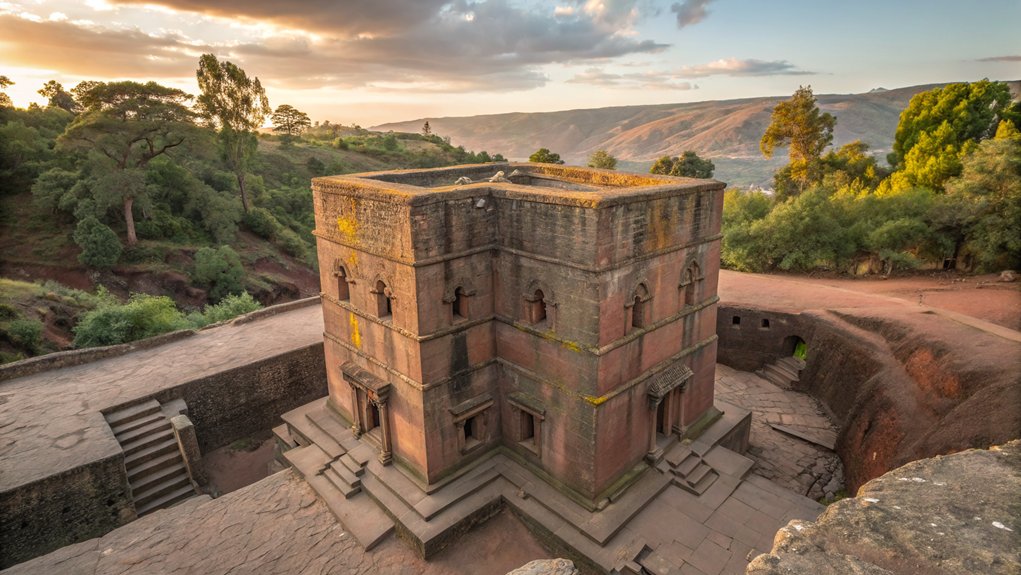
If you’re considering a solo trip, Ethiopia’s rich culture and history may just captivate you. From vibrant festivals to ancient sites, there’s a depth to this country that’s hard to ignore. When you embrace the local customs and connect with communities, you’ll find that each experience deepens your understanding. But, what should you prioritize in your itinerary to truly immerse yourself? Let’s explore the highlights that make this journey remarkable.
Key Takeaways
- Ethiopia’s rich history features UNESCO World Heritage sites, including the rock-hewn churches of Lalibela and Axum’s ancient obelisks.
- Engaging with over 80 ethnic groups offers solo travelers a deep understanding of diverse cultural traditions and practices.
- Participating in traditional coffee ceremonies fosters connection with locals, revealing the significance of community in Ethiopian culture.
- Basic Amharic phrases enhance communication, respect, and cultural immersion during solo travel experiences.
- Exploring vibrant regions like the Omo Valley allows solo travelers to witness unique tribal festivals and share memorable local interactions.
Why Choose Ethiopia for Your Solo Adventure?
Ethiopia offers solo travelers an unforgettable adventure filled with rich history and diverse landscapes. With over 3,000 years of history, you’ll uncover ancient civilizations and traditions that shape the nation today.
The seven UNESCO World Heritage sites, like the rock-hewn churches of Lalibela and the ancient city of Axum, provide profound insights into the past. You’ll find diverse landscapes—from the breathtaking Simien Mountains to the culturally rich Omo Valley—perfect for exploration.
Engaging in traditional coffee ceremonies and connecting with local communities enhances your experience, bringing you closer to the Ethiopian way of life.
Plus, the warmth and hospitality of the Ethiopian people create a safe, welcoming environment for solo adventurers like you. Discover the adventure that awaits!
Key Cultural Highlights for Solo Travelers
When you’re traveling solo in Ethiopia, you’ll want to immerse yourself in its rich cultural tapestry.
Experience traditional coffee ceremonies that invite you to connect with locals, explore the stunning rock-hewn churches that reflect centuries of history, and encounter diverse tribal cultures that showcase unique traditions.
Each highlight offers an unforgettable glimpse into the heart of Ethiopian heritage.
Traditional Coffee Ceremonies
Experiencing a traditional coffee ceremony in Ethiopia offers you an intimate look at the country’s culture and customs. This deeply rooted tradition typically lasts several hours and symbolizes hospitality and friendship. As the host roasts green coffee beans and grinds them with a mortar and pestle, you’ll inhale the aroma of cardamom and spices.
Here’s a quick overview of the coffee ceremony:
| Stage | Coffee Strength | Accompaniments |
|---|---|---|
| First Round | Strong (bunna) | Popcorn |
| Second Round | Medium blend | Snacks |
| Third Round | Light brew | More snacks |
Participating allows you to connect with locals and enhances your travel experience, making it a true cultural highlight.
Historic Rock-Hewn Churches
Nestled in the heart of Africa, Ethiopia boasts 11 historic rock-hewn churches carved into volcanic rock, each telling a story of faith and resilience. These remarkable structures, built in the 13th century, form a UNESCO World Heritage site and showcase one of Ethiopia’s greatest architectural achievements.
In Lalibela, you’ll find the famous Church of Saint George, carved in the shape of a cross, drawing pilgrims from all over. These churches symbolize a “New Jerusalem,” reflecting Ethiopia’s sanctuary role for early Christians.
A network of tunnels and trenches connects each church, highlighting the builders’ ingenuity. Beyond their stunning architecture, these churches are vibrant centers of worship, hosting numerous religious festivals and ceremonies throughout the year.
Diverse Tribal Cultures
After exploring the stunning rock-hewn churches of Lalibela, you’ll find Ethiopia’s cultural landscape just as enchanting. With over 80 distinct ethnic groups, the country offers a vibrant tapestry of traditions.
The Omo Valley stands out, where you can meet the Mursi tribe, famous for their lip plates, and the Hamer, known for their intricate hairstyles and lively ceremonies. Experience the Konso people’s ancestral farming techniques through their unique terraces that reflect their close connection to the land.
Don’t miss cultural festivals like the Hamer’s Dasheen Festival, showcasing traditional dances and rituals. Engaging with local tribes, especially during coffee ceremonies, provides deep insights into their daily lives and values, enriching your travel experience immensely.
Must-Visit Historical Sites in Ethiopia
When you travel solo in Ethiopia, the rock-hewn churches of Lalibela and the ancient obelisks of Axum are must-sees.
These historical sites not only showcase Ethiopia’s rich heritage but also connect you to the country’s unique cultural narrative.
Prepare to be amazed by the stories and craftsmanship embedded in these iconic landmarks.
Rock-Hewn Churches of Lalibela
The rock-hewn churches of Lalibela stand as breathtaking monuments to Ethiopia’s rich history and spiritual heritage. Carved from solid volcanic rock in the 13th century, these UNESCO World Heritage sites attract thousands of pilgrims and travelers alike.
Among the 11 remarkable churches, the Church of St. George (Bete Giyorgis) shines brightly, showcasing its stunning cross-shaped design and architectural brilliance. Named after King Lalibela, who envisioned a “New Jerusalem,” this sacred complex symbolizes hope following the Muslim conquest of the Holy Land.
The churches interconnect through a network of tunnels and trenches, mirroring the spiritual journey. Each church features intricate frescoes and biblical inscriptions, reflecting Ethiopia’s vibrant culture and deep religious beliefs, making them invaluable to the country’s historical narrative.
Ancient Obelisks of Axum
Ethiopia’s ancient city of Axum captivates visitors with its striking obelisks, which stand as monumental symbols of the kingdom’s former glory. Dating back to the 4th century AD, these remarkable structures showcase the power and prosperity of Axum at its zenith.
The largest obelisk towers at approximately 24 meters, weighing an impressive 500 tons, and serves as a tombstone for a king, intricately carved with false doors and windows. As a UNESCO World Heritage site since 1980, Axum is recognized for its significance in early Christianity and as one of the oldest continuously inhabited cities.
While there, explore the archaeological remains of ancient palaces and the Church of St. Mary of Zion, believed to house the Ark of the Covenant.
Embracing Ethiopian Hospitality: Key Local Customs
How can you fully experience the warmth of Ethiopian hospitality? Begin by participating in the heartfelt coffee ceremony, where beans are roasted and brewed in a jebena, symbolizing friendship.
Greet locals with a firm handshake and a gentle touch of shoulders; it’s a gesture of warmth and friendliness. When meeting elders, show respect by using “Selam” and lowering your gaze.
If you visit someone’s home, bringing a small gift like fruit or sweets expresses gratitude for their hospitality. Remember to ask for permission before taking photos of locals, as respecting personal space is essential in Ethiopian culture.
Embracing these customs will enrich your experience and create lasting connections during your journey.
The Importance of Ethiopian Coffee Ceremonies
When you step into an Ethiopian home, you might be welcomed with an invitation to experience a coffee ceremony, a significant cultural ritual that showcases the art of hospitality.
Watching the meticulous preparation—from roasting the beans to brewing them in a jebena—offers insight into the deep connection between coffee and community.
As you savor each cup, you’ll feel how this cherished tradition symbolizes unity and friendship, making it an essential part of Ethiopian identity.
Cultural Significance of Coffee
The rich aroma of freshly roasted coffee beans permeates the air during Ethiopian coffee ceremonies, making it much more than just a drink; it’s a vibrant cultural ritual steeped in tradition.
These ceremonies symbolize hospitality and community, representing a shared cultural identity that brings people together. You’ll notice the meticulous preparation, starting with roasting green coffee beans in a pan over an open flame, which fills the space with a rich scent that marks the ritual’s beginning.
Served in small cups from a special pot called a “jebena,” the coffee often comes with snacks, enhancing the communal spirit. This ritual plays a significant role in social interactions, symbolizing friendship and respect, often performed during significant events like weddings and religious celebrations.
Rituals of Preparation Process
Building on the cultural importance of coffee in Ethiopia, the preparation process further enriches this ritual. The Ethiopian coffee ceremony unfolds in three stages: roasting, brewing, and serving. Each step is a celebration of community and tradition, as you and your guests partake in the fragrant aroma of roasting beans over an open flame.
| Stage | Description | Cultural Significance |
|---|---|---|
| Roasting | Green beans are roasted until fragrant | Engages senses and fosters conversation |
| Brewing | Beans are brewed in a traditional pot | Unites participants in anticipation |
| Serving | Served in small cups with snacks | Symbolizes hospitality and bonding |
As you sip the rich coffee, stories and laughter flow, making it an essential part of Ethiopian culture.
Experiencing Ethiopia’s Diverse Ethnic Tribes
While exploring Ethiopia, you’ll find yourself captivated by its rich tapestry of over 80 ethnic groups, each offering a unique glimpse into the country’s remarkable cultural heritage.
The Omo Valley, in particular, showcases vibrant tribes like the Hamer, Mursi, and Karo, known for their striking traditional attire and intricate jewelry. You’ll be fascinated by the Mursi women’s lip plates, a striking symbol of beauty and social status.
Experience the Hamer people’s “Gada,” a thrilling ceremony where young men leap over cattle, highlighting their strength.
Don’t miss traditional rituals such as coffee ceremonies and colorful festivals—they reveal the deep social bonds and communal spirit that thrive among Ethiopia’s diverse ethnic tribes, enriching your travel experience immensely.
Essential Safety Practices for Solo Travelers
When you travel solo in Ethiopia, staying aware of your surroundings is essential for your safety.
Make sure to choose well-reviewed accommodations and keep your valuables secure to minimize risks.
Stay Aware Of Surroundings
Staying aware of your surroundings is essential for your safety as a solo traveler in Ethiopia. Being mindful reduces the risk of theft and other safety issues. Here are a few practices you should adopt:
- Stick to well-lit, populated streets, especially at night.
- Avoid displaying valuables that might attract attention.
- Trust your instincts; if something feels off, move to a busier area or contact a local guide.
Engaging with locals can enrich your experience, but be cautious about sharing personal details.
Stay updated on local news and community guidelines to navigate effectively.
Secure Accommodations And Valuables
Prioritizing secure accommodations is a smart move for solo travelers in Ethiopia. Choose well-reviewed places known for their security, especially in cities like Addis Ababa and Lalibela.
Always keep valuables like passports and money in a hotel safe or use a personal locking device to reduce theft risk. Look for features such as 24-hour staffing, CCTV, and secure entry points for extra peace of mind.
Avoid displaying expensive items in public or shared spaces to deter potential thieves. When you’re out exploring, carry only your essentials and a small amount of cash in a secure spot on your person, minimizing what you have with you at all times.
This approach guarantees a safer and more enjoyable travel experience.
Recommended Routes for Solo Exploration
If you’re seeking an adventurous solo travel experience, Ethiopia offers a variety of recommended routes that cater to different interests and landscapes.
Each route presents unique opportunities for exploration:
- Northern Highlands Route: Start in Addis Ababa, visiting Lalibela’s rock-hewn churches and Gondar’s medieval castles, rich with royal history.
- Simien Mountains: Enjoy scenic trekking while witnessing unique wildlife like the Walia ibex and Gelada baboons, perfect for solitude seekers.
- Omo Valley: Immerse yourself in the culture of indigenous tribes, utilizing trusted guides for safety as you connect with local communities.
These routes not only highlight Ethiopia’s diverse history and culture but also deepen your solo travel experience in a land filled with enchantment.
Stunning Natural Wonders for Solo Travelers
Ethiopia’s stunning natural wonders captivate solo travelers with their diverse landscapes and unique ecosystems.
The Simien Mountains, a UNESCO World Heritage site, offer breathtaking trekking experiences, including a climb to Ras Dashen, Ethiopia’s highest peak.
In the Danakil Depression, you’ll marvel at otherworldly geothermal features and colorful mineral deposits, truly one of the hottest places on Earth.
The Omo Valley showcases diverse ecosystems and is home to eight indigenous tribes, enriching your cultural immersion.
Don’t miss the Blue Nile Falls, known as Tis Issat; its cascading waters create a mesmerizing mist, especially in the rainy season.
With vibrant national parks like Mago and Bale, you’ll find unique wildlife and stunning landscapes, perfect for your adventurous spirit.
Solo Wildlife Adventures in Ethiopia
While exploring Ethiopia, you’ll find a wildlife enthusiast’s paradise waiting to be discovered. With unique ecosystems across the country, you’ll have incredible opportunities to encounter diverse wildlife firsthand.
Consider these highlights:
- Walia ibex: Spot these rare animals in the Simien Mountains, a true emblem of Ethiopian wildlife.
- Ethiopian wolf: Encounter this endangered species in the Bale Mountains, showcasing the country’s commitment to conservation.
- Birdwatching paradise: Over 850 bird species flit through the Rift Valley, making it perfect for avid birdwatchers.
With national parks like Omo and Mago, you can engage with Ethiopia’s rich flora and fauna.
Grab your camera, hike through stunning landscapes, and immerse yourself in the breathtaking natural wonders waiting for you.
Balancing Adventure and Rest in Your Trip
A well-balanced trip in Ethiopia combines exhilarating adventures with moments of tranquility. After trekking the stunning Simien Mountains, set aside time to relax and reflect in serene surroundings.
Explore culturally rich spots like Lalibela and Gondar, where you can join guided tours in the mornings and enjoy leisurely afternoons in local cafes. Immerse yourself in Ethiopian culture by participating in coffee ceremonies, offering a delightful break while fostering connections with the community.
To maximize your experience, plan your itinerary around the best travel seasons from October to March, ensuring thrilling day activities are paired with restful evenings in well-reviewed accommodations.
Choose small group tours for an engaging yet relaxing approach to Ethiopia’s remarkable heritage. In another trip, you can balance island-hopping adventures with downtime by visiting El Nido for clear waters, limestone cliffs, and scenic beach escapes.
Overcoming Challenges as a Solo Traveler
Maneuvering the solo travel landscape in Ethiopia presents unique challenges, but with the right strategies, you can turn obstacles into enriching experiences.
Here are some tips to help you navigate your journey:
- Learn basic phrases: Picking up simple words like “Selam” (hello) and “Ameseginalehu” (thank you) can break down language barriers and foster connections.
- Plan your transport: Use local flights or hire trusted guides for safe, efficient travel between must-see attractions.
- Pack wisely: Bring layers to adapt to Ethiopia’s varying climates, especially in places like the Simien Mountains where temperatures shift dramatically.
Building Connections With Locals During Your Journey
Connecting with locals in Ethiopia not only enriches your travel experience but also opens the door to understanding the country’s vibrant culture.
Engaging in a traditional coffee ceremony is a wonderful way to immerse yourself in their warm hospitality. Learning basic Amharic phrases like “Selam” and “Ameseginalehu” can enhance your interactions and show respect.
Participate in local festivals and events to gain insight into communal traditions and truly connect with the people.
Remember to respect local customs, like asking for permission before taking photographs, as it fosters mutual respect. Small gestures, like helping with tasks or sharing a meal, can create a sense of camaraderie and deepen your experience, making your journey unforgettable and meaningful.
Frequently Asked Questions for Solo Travelers in Ethiopia?
What should you know before starting a solo journey through Ethiopia? It’s crucial to prepare for a unique and enriching experience. Here are some helpful tips:
- Cultural etiquette: Participate in traditional coffee ceremonies to immerse yourself in local customs.
- Language basics: Learning a few Amharic phrases like “Selam” (hello) and “Ameseginalehu” (thank you) can enhance your interactions.
- Heritage sites: Don’t miss out on UNESCO World Heritage sites like Lalibela and Axum for an unforgettable historical journey.
Ethiopia’s diverse culture and breathtaking landscapes promise an engaging solo adventure.
Stay aware of your surroundings and embrace the local lifestyle for a rewarding experience.
Prepare yourself, and you’ll create memories that last a lifetime!
Frequently Asked Questions
Is Ethiopia Safe for Solo Female Travellers?
Yes, Ethiopia can be safe for solo female travelers. Just take precautions like dressing modestly, staying aware of your surroundings, and engaging local guides. This approach enhances your experience and fosters positive interactions with welcoming locals.
What Are Ethiopian Ladies Known For?
Ethiopian ladies are known for their vibrant traditional clothing, unique cultural expressions, and participation in important rituals like the coffee ceremony. They play essential roles in agriculture, craft-making, and contribute greatly to their communities.
Why Is Ethiopia on the Red List?
Ethiopia’s on the red list due to ongoing civil unrest, conflicts, and ethnic tensions. Armed groups pose risks in many areas, prompting warnings against travel to protect visitors from potential violence and disturbances.
Can You Brush Your Teeth With Tap Water in Ethiopia?
No, you shouldn’t brush your teeth with tap water in Ethiopia. Instead, use bottled water to avoid gastrointestinal issues. If that’s unavailable, boil or filter water for safer oral hygiene practices.
Leave a Reply