
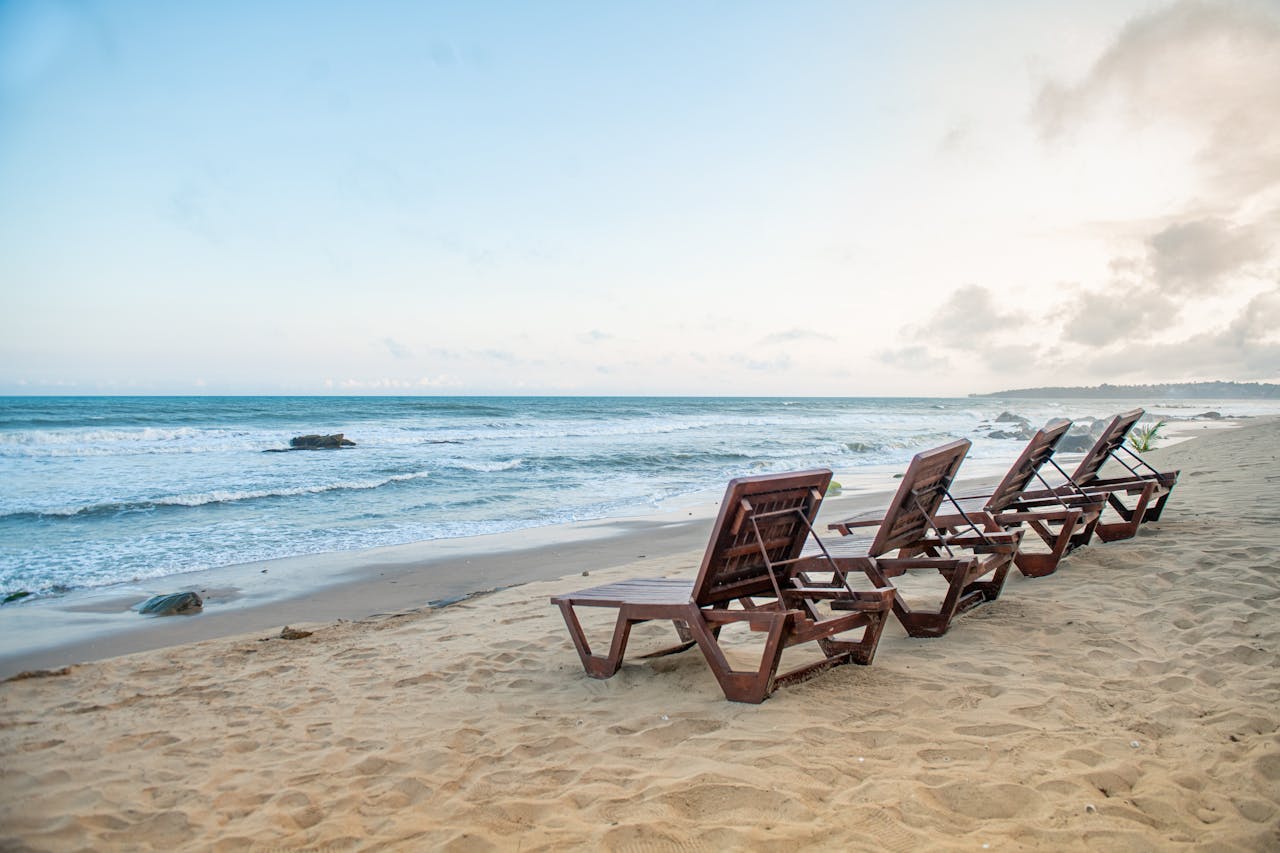
When you commence a solo journey through Ghana, you’ll encounter a landscape rich with culture, history, and natural beauty. You’ll walk through historical sites that tell stories of resilience, engage with locals who share vibrant traditions, and explore breathtaking natural wonders that invite reflection. Each experience enhances your understanding of this remarkable nation. But how do these elements intertwine to shape your adventure? The answer may surprise you.
Key Takeaways
- Explore Cape Coast and Elmina castles to gain insight into the trans-Atlantic slave trade and deepen your understanding of Ghana’s historical significance.
- Engage with local culture through traditional ceremonies, vibrant markets, and authentic interactions that highlight Ghanaian hospitality and community spirit.
- Experience everyday life by visiting bustling markets, trying street food, and connecting with locals to appreciate the blend of tradition and modernity.
- Discover natural attractions like Kakum National Park and Wli Waterfalls for immersive outdoor experiences that promote mental well-being and establish a connection with nature.
- Savor Ghanaian cuisine, including jollof rice and waakye, while participating in cultural customs to enrich your travel experience and foster personal growth.
Understanding Ghana’s Historical Significance for Travelers
Ghana’s historical significance beckons travelers enthusiastic to explore a rich and poignant past. As you visit Cape Coast and Elmina castles, you’ll gain deep insights into the trans-Atlantic slave trade, a dark chapter in history that resonates today.
Remember, 2020 marked 400 years since this tragic journey began, prompting reflections on the resilience of ancestors and their enduring legacy. Engaging in guided tours offers profound narratives that evoke empathy, allowing you to connect emotionally with Ghana’s past.
Additionally, Ghana’s 1957 independence marks a pivotal moment in the fight for self-determination. Your visits to these historical sites contribute to a broader understanding of global narratives, enriching your appreciation of both individual heritage and collective history.
Immersing Yourself in Local Culture and Traditions in Ghana
After exploring the historical depths of Ghana, the vibrant culture and traditions come to life, inviting you to engage on a personal level.
Embrace the local way of life by immersing yourself in these experiences:
- Traditional Naming Ceremonies: Partake in significant rituals that celebrate identity and community, deepening your understanding of Ghanaian culture.
- Vibrant Markets: Visit places like Makola and Kejetia Markets, where the rich tapestry of local fabrics, spices, and crafts showcases Ghana’s diverse heritage.
- Community Celebrations: Join in traditional dances to experience Ghanaian joy and connect with locals, highlighting the warmth encapsulated in the term “Akwaaba”—welcome.
This immersion not only enriches your journey but also fosters meaningful interactions and friendships.
Navigating Everyday Life in Ghana: A Unique Perspective
When you step into the lively streets of Ghana, everyday life unfolds in a mesmerizing way that’s hard to ignore. You’ll find vibrant markets like Makola in Accra and Kejetia in Kumasi, alive with fresh produce and crafts. Women gracefully navigate their errands, often with babies tied to their backs, highlighting a mix of tradition and modernity. Street food vendors offer mouthwatering dishes like jollof rice and kelewele, creating opportunities for social interactions. Amidst it all, the warm smiles and welcoming greetings of “Akwaaba” invite you into the heart of Ghanaian culture.
| Aspect | Description |
|---|---|
| Markets | Makola and Kejetia with fresh goods |
| Women’s Role | Balancing errands with children |
| Food | Street foods foster social ties |
| Hospitality | “Akwaaba” welcomes you to Ghana |
The Tro-Tro Journey: Public Transport Insights in Ghana
As you navigate the vibrant markets and bustling streets, another quintessential part of experiencing Ghana comes into play: the tro-tro. These shared minibuses are your passport to local life, connecting cities, towns, and villages at an affordable price.
While the tro-tro experience can feel chaotic, it’s also lively and engaging. Here’s what you can expect:
- Intimacy with locals: Expect to share space and stories with Ghanaians, enhancing your cultural immersion.
- Vibrant atmosphere: The decor and music create a celebratory ambiance that makes every ride enjoyable.
- Camaraderie among riders: There’s a unique sense of community as everyone journeys together, sharing both laughter and occasional silence.
Discovering Ghana’s Stunning Natural Attractions
Exploring Ghana’s stunning natural attractions opens up a world of breathtaking landscapes and unique experiences you’ll cherish.
Start your adventure at Kakum National Park, where the suspended canopy walkway offers spectacular views of vibrant rainforests filled with diverse wildlife.
Don’t miss a hike to Wli Waterfalls, the highest in West Africa; its invigorating cascades reward your effort.
In Mole National Park, you can catch sight of elephants, antelopes, and warthogs on an unforgettable safari.
For a tranquil retreat, Lake Bosomtwe’s serene waters invite you to walk, cycle, or simply relax amidst picturesque hills.
With lush tropical forests, beautiful beaches, and vast savannahs, Ghana beckons you to explore its rich and varied landscapes away from the crowds.
You Can’t Miss These Historical Sites in Ghana
Ghana’s rich history is just as enchanting as its stunning landscapes. As you explore, there are must-visit historical sites that reveal the country’s past and cultural significance.
Here are three you can’t miss:
- Elmina Castle: Built in 1482, this is the oldest European structure in sub-Saharan Africa. It served a pivotal role in the transatlantic slave trade, letting you grasp Ghana’s complex history.
- Cape Coast Castle: A UNESCO World Heritage Site, home to the haunting “Door of No Return,” marking the final passage of enslaved Africans.
- Kwame Nkrumah Mausoleum: Honor the first president’s legacy and examine Ghana’s journey to independence in 1957.
Each site offers unique insights that deepen your appreciation for Ghana’s vibrant history.
Eco-Friendly Travel Tips for Your Ghana Adventure
Wondering how to make your journey in Ghana both enjoyable and eco-friendly? Start by choosing locally owned guesthouses and family-run lodges; this not only supports the local economy but also offers a chance for cultural exchange.
When it comes to meals, dine at local restaurants and buy from market vendors instead of supermarkets, allowing you to savor authentic flavors while minimizing your environmental impact.
For getting around, utilize tro-tros and shared transport options to reduce your carbon footprint and immerse yourself in daily Ghanaian life.
Don’t forget your reusable water bottle to cut down on single-use plastics; many public spaces have refill stations.
Finally, participate in sustainable tourism by respecting local customs and contributing positively to the communities you visit. Ghana offers a rich blend of culture and heritage that can make every solo trip more meaningful.
Savor the Flavors: Culinary Delights to Try in Ghana
After soaking in the beauty of Ghana’s landscapes and embracing eco-friendly practices, it’s time to treat your taste buds to the mouthwatering delights of Ghanaian cuisine.
Here are three must-try dishes:
- Jollof Rice: This vibrant, one-pot dish cooked with tomatoes, onions, and spices captures the essence of celebration in Ghana.
- Waakye: A hearty breakfast favorite made from rice and beans, served with fried plantains, boiled eggs, and spicy stews, it’s a delightful way to start your day.
- Banku: A traditional fermented corn and cassava dish, this is best enjoyed with grilled fish or groundnut soup, highlighting Ghana’s rich coastal flavors.
Don’t forget to embrace local dining customs, like washing your hands before meals, to fully immerse yourself in this cultural experience.
Planning Your Solo Itinerary for an Unforgettable Trip to Ghana
When planning your solo itinerary, start by immersing yourself in the vibrant atmosphere of Accra. Explore the colorful Makola Market to taste local foods and enjoy live music.
Next, plan a day trip to Cape Coast, where you can visit the historic Elmina Castle and walk the canopy in Kakum National Park, blending culture and nature.
Spend another day in Kumasi, engaging with Ashanti traditions at the Manhyia Palace Museum and bustling Kejetia Market.
Don’t miss Lake Bosomtwe for serene landscapes and reflection, then visit the Bonwire Kente Weaving Village to see traditional textile artistry.
Finally, head to Mole National Park for a thrilling safari, spotting elephants and wildlife while staying at Zaina Lodge.
Your adventure awaits!
How Can Travel in Ghana Enhance Your Personal Growth?
Traveling solo in Ghana opens doors to profound personal growth, offering experiences that resonate deeply within you. By immersing yourself in the vibrant culture and rich history, you can cultivate a stronger sense of self.
Here are three key ways your journey can enhance personal growth:
- Cultural Immersion: Engaging with locals and exploring marketplaces like Makola Market helps you connect with your ancestry and heritage, fostering a deeper understanding of who you are.
- Historical Reflection: Visiting sites like Cape Coast and Elmina castles encourages you to reflect on global narratives, enhancing your empathy.
- Nature Connection: Exploring the diverse ecosystems in Kakum and Mole National Parks promotes introspection and mental well-being, grounding you in the present.
Embrace these experiences to reveal your potential.
Frequently Asked Questions
What Is Famous in Ghana to Buy?
In Ghana, you’re going to love buying colorful kente cloth, intricately carved wooden masks, traditional bead jewelry, rich cocoa products, and vibrant pottery. Each item tells a unique story of Ghana’s rich culture and craftsmanship.
How to Dress in Ghana as a Woman?
When dressing in Ghana, you should wear modest clothing like long skirts or loose tops, avoiding shorts and sleeveless outfits. Choose vibrant fabrics, and wear comfortable shoes for walking through markets and exploring.
Leave a Reply