Blog

  • 10 Simple Things You Can Do to Help You Relax and Unwind

    10 Simple Things You Can Do to Help You Relax and Unwind

    In a world that often feels like it’s moving at a breakneck pace, finding things to do to help you to relax can appear as an elusive goal. However, relaxation is not merely a luxury; it’s a necessity for maintaining mental health and overall well-being.

    The stresses of daily life—whether from work, family responsibilities, or personal challenges—can weigh heavily on an individual, making effective relaxation techniques essential for restoring balance. By engaging in relaxation practices, individuals can reduce stress, enhance productivity, and foster emotional resilience.

    Relaxation methods are diverse and cater to various preferences and lifestyles. With this in mind, let’s explore ten actionable strategies that anyone can incorporate into their routine to help them relax and unwind.

    What is Relaxation?

    At its core, relaxation is the state of being free from tension and anxiety. It allows individuals to achieve a sense of calm and tranquility. Different people may find relaxation through various techniques, including mindfulness practices, physical activities, or creative outlets. Understanding what relaxation entails can help individuals choose the methods that resonate with them.

    Relaxation techniques can range from structured mindfulness exercises to engaging in hobbies that bring joy and contentment. Patience and experimentation are essential during this process. It’s crucial to find what works best for you personally, as there’s no one-size-fits-all approach to relaxation.

    Importance of Relaxation for Mental Health

    The relationship between mental health and relaxation is critical, especially in today’s increasingly stressful environment. Chronic stress can lead to a myriad of mental health issues, such as anxiety, depression, and burnout. Regularly engaging in relaxation practices helps combat these detrimental effects.

    Relaxation techniques not only reduce the immediate experience of stress but also equip individuals with tools to handle challenges more effectively. By regularly practicing relaxation, one can improve mood, enhance focus, and cultivate a greater sense of well-being. In addition, these techniques can promote better sleep, boost creativity, and improve interpersonal relationships by fostering a greater sense of self-awareness and emotional intelligence.

    In this article, we will delve into ten simple yet effective practices that will empower individuals to prioritize relaxation in their daily lives.

    Mindfulness Techniques

    Mindfulness techniques are particularly effective for fostering relaxation. These practices focus on cultivating an awareness of the present moment, thereby helping individuals manage stress more effectively. Integrating mindfulness into daily routines can empower individuals to navigate their lives with calmness and clarity. Let’s explore two impactful mindfulness techniques.

    1. Meditation Basics

    Meditation is a centuries-old practice that has gained popularity due to its remarkable benefits. While many may assume that meditation requires a lot of time or advanced skills, it can actually be accessible for everyone. Beginners can start with just a few minutes a day and gradually build their practice.

    Getting Started with Meditation

    To begin meditating, it is crucial to find a quiet, comfortable space free from distractions. Sitting in a comfortable position, whether in a chair or cross-legged on the floor, can help you focus. Here are some practical steps to initiate your meditation journey:

    • Set a Timer: Start with as little as 5 to 10 minutes. Setting a timer can help you focus without worrying about the time.
    • Focus on Your Breath: Close your eyes and take a deep breath in through your nose, allowing your abdomen to rise. Exhale slowly through your mouth. Focus on the rhythm of your breath, and let thoughts come and go without judgment.
    • Visualize a Calm Place: As you settle into your breath, imagine a serene environment—perhaps a beach or a tranquil forest. Envision the details—what you see, hear, and smell. This visualization can deepen your sense of relaxation.
    • Practice Regularly: Like any skill, meditation improves with practice. Aim for consistency—daily practice can yield more profound benefits over time than sporadic sessions.

    Types of Meditation

    Several meditation styles can enhance relaxation. Here are a few to consider:

    • Guided Meditation: This involves following a narrator’s instructions, either in person or via an app. It can be particularly helpful for beginners.
    • Mindfulness Meditation: This type focuses on observing thoughts, sensations, and feelings as they arise without attachment.
    • Loving-Kindness Meditation: This practice encourages the cultivation of compassion for oneself and others, which can enhance emotional well-being.

    2. Breathing Exercises for Instant Calm

    Breathing exercises are another simple but effective way to induce relaxation. These techniques help combat stress by regulating your body’s natural stress response and promoting a sense of tranquility. Because they can be practiced almost anywhere, breathing exercises are ideal for individuals with busy lifestyles.

    The 4-7-8 Breathing Technique

    One particularly effective breathing exercise is the 4-7-8 technique:

    1. Inhale: Take a deep breath in through your nose for a count of four.
    2. Hold: Retain the breath for a count of seven.
    3. Exhale: Slowly release the breath through your mouth for a count of eight.
    4. Repeat: Work through this cycle four to eight times.

    This simple exercise can quickly reduce anxiety and increase relaxation.

    Other Effective Breathing Techniques

    • Diaphragmatic Breathing: This technique involves breathing deeply into the diaphragm rather than shallowly into the chest. Place one hand on your chest and the other on your abdomen. Aim for your abdomen to rise as you inhale, while your chest remains relatively still.
    • Box Breathing: This technique involves inhaling, holding, exhaling, and holding for equal counts—commonly, a count of four or five. This structured approach can help focus the mind and stabilize emotions.

    Physical Activities

    Physical activities are another fantastic way to channel energy and reduce tension. Engaging in movement promotes the release of endorphins, which can considerably enhance mood and facilitate relaxation. Let’s examine two highly effective physical activities.

    3. The Benefits of Yoga

    Yoga is a mind-body practice that combines physical movement with mindfulness and breath control. It’s a holistic way to promote relaxation and improve physical and mental health. Whether one chooses a gentle Hatha class or a more vigorous Vinyasa flow, the focus on breath and movement creates a meditative experience.

    Types of Yoga for Relaxation

    There are various styles of yoga, and certain ones are particularly beneficial for relaxation:

    • Hatha Yoga: Often considered a gentle introduction, Hatha yoga emphasizes slow-paced movements and can be effective for beginners.
    • Yin Yoga: This style involves holding poses for an extended period, promoting deep stretching and relaxation.
    • Restorative Yoga: This practice utilizes props to support the body, encouraging deep relaxation in a peaceful atmosphere.

    Getting Started with Yoga

    • Find a Class: Many community centers and gyms offer yoga classes suitable for all levels. Alternatively, numerous online tutorials can also help beginners get started.
    • Invest in Comfortable Gear: Comfortable clothing and a good yoga mat can enhance your practice.
    • Listen to Your Body: It’s essential to modify poses according to your comfort levels and physical capabilities.

    4. Walking in Nature

    Walking in nature serves as a powerful method for promoting relaxation. Connecting with the environment can create a sense of grounding, inviting feelings of peace and serenity.

    Benefits of Walking in Nature

    Spending time outdoors lowers cortisol levels—our body’s primary stress hormone—while also improving overall mood. Nature walks can transform a mundane day into a revitalizing experience.

    Additionally, studies have shown that exposure to green spaces can enhance cognition and emotional well-being. The sights, sounds, and smells of nature stimulate the senses, contributing to a heightened state of relaxation.

    Tips for an Optimal Nature Walk

    • Choose a Scenic Route: Explore parks, lakes, or hiking trails that showcase natural beauty.
    • Practice Mindfulness: Engage all your senses during your walk. Pay attention to the colors, sounds, and scents around you. This practice encourages mindfulness and heightens relaxation.
    • Invite Companions: Walking with friends or family can enhance the experience, allowing for meaningful conversations while simultaneously enjoying nature.

    Creative Outlets

    Engaging in creative activities serves as another powerful method for unwinding. Creative outlets provide an opportunity for self-expression and emotional exploration. Let’s explore two engaging creative activities.

    5. Art as a Stress Reliever

    Artistic expression in any form—be it painting, drawing, or crafting—can be a profound way to relax. Engaging in art allows individuals to channel emotions and thoughts onto a canvas, providing an outlet for stress and anxiety.

    Benefits of Creating Art

    • Reduces Stress: Art-making is known to lower levels of cortisol, effectively reducing anxiety.
    • Enhances Self-Expression: Through art, individuals can convey thoughts and feelings that might be difficult to articulate verbally.
    • Promotes Mindfulness: The creative process requires focus and presence, allowing individuals to escape from worries and distractions.

    Getting Started with Art

    • Gather Supplies: You don’t need expensive materials—start with basic items like colored pencils, watercolors, or even a sketchbook.
    • Explore Techniques: Try different mediums and techniques to find what resonates best with you. You could attend an art class or follow online tutorials.
    • Focus on Enjoyment: Remember that the goal is not perfection; take pleasure in engaging with the creative process.

    6. Journaling for Clarity

    Journaling represents a straightforward yet immensely effective tool for relaxation. Writing down thoughts and feelings encourages emotional processing and provides clarity. Individuals who reflect on their experiences often find greater self-acceptance and understanding.

    Benefits of Journaling

    • Promotes Self-Reflection: Journaling fosters insight into personal feelings and beliefs.
    • Encourages Emotional Release: Writing about emotions can help individuals release pent-up feelings, promoting emotional relief.
    • Enhances Problem-Solving: By articulating challenges and brainstorming solutions, journaling can help clarify thought processes.

    Getting Started with Journaling

    • Choose a Medium: Select a notebook or a digital journal—whichever is more comfortable.
    • Set a Routine: Designate a specific time each day or week for journaling. Consistency enhances the benefits.
    • Prompt Yourself: If you’re unsure where to start, consider using prompts such as “What made me happy today?” or “What challenges do I face?”

    Utilizing Technology

    Living in a digital era has its advantages, particularly concerning the availability of resources to assist with relaxation. The following sections explore how individuals can leverage technology to enhance their relaxation techniques.

    7. Apps for Relaxation and Meditation

    Numerous apps are designed to help users achieve relaxation and mindfulness. These tools offer guided sessions, calming sounds, and meditation exercises tailored to individual preferences.

    Popular Relaxation Apps

    • Headspace: This user-friendly app provides a variety of meditation sessions that cater to different focus areas, such as stress, sleep, or focus.
    • Calm: This app features soothing audio landscapes, bedtime stories, and guided meditations, making it suitable for all relaxation needs.
    • Insight Timer: This app offers an extensive library of free guided meditations and talks from mindfulness experts, allowing users to explore various techniques without commitment.

    8. Online Resources for Learning

    Numerous online platforms provide valuable resources for learning relaxation techniques. These websites, YouTube channels, and social media platforms often feature experts who share insights on mindfulness, yoga, and creative expressions.

    Finding Quality Online Resources

    • YouTube: Many creators produce high-quality videos that teach various relaxation techniques, from guided meditations to yoga sessions.
    • Online Courses: Websites like Udemy and Coursera offer courses on mindfulness and stress management, allowing participants to learn at their own pace.
    • Social Media: Following mindfulness gurus or yoga instructors on platforms like Instagram or TikTok can inspire individuals to try new relaxation techniques.

    Building a Relaxation Routine

    Having a consistent relaxation routine is crucial for achieving lasting benefits. The following strategies can support the establishment of this routine.

    9. Creating a Dedicated Relaxation Space

    Designing a specific area for relaxation can significantly enhance the relaxation experience. This peaceful oasis should be comfortable, aesthetically pleasing, and devoid of distractions, facilitating a tranquil environment.

    Elements of a Relaxation Space

    • Comfortable Seating: Whether it’s a lounge chair, beanbag, or cushion, prioritize comfort to encourage relaxation.
    • Soothing Colors: Choose calming colors and decor that promote tranquility—soft greens, blues, or neutral tones can create a serene atmosphere.
    • Incorporate Nature: Adding plants can enhance air quality, uplift mood, and restore a sense of peace.

    Tips for Optimizing Your Relaxation Space

    • Minimize Clutter: A tidy space encourages a clear mind. Regularly declutter to maintain serenity.
    • Add Soothing Scents: Use candles or essential oil diffusers to introduce calming fragrances, such as lavender or chamomile.
    • Limit Digital Distractions: Ideally, the relaxation space should be free from electronic devices to avoid distractions.

    10. Scheduling Time for Yourself

    In a busy lifestyle, taking time for oneself can often be overlooked. Setting aside designated time for relaxation is essential for prioritizing mental health and personal contentment.

    Strategies for Scheduling Relaxation

    • Allocate Time on Your Calendar: Treat relaxation just as you would any other appointment. Block off specific times for self-care and ensure commitment to these moments of reprieve.
    • Make It a Ritual: Engage in a specific activity that signals relaxation to your mind, such as brewing a cup of tea or listening to calming music.
    • Explore Different Relaxation Activities: Rotate through various relaxation techniques to keep things engaging. This variety can maintain interest and excitement in your self-care routine.

    Tips for Continuous Improvement

    Engaging in relaxation activities is an ongoing journey. The following tips can support continuous improvement and adaptation of relaxation techniques.

    Tracking Your Progress

    Keeping a journal to track feelings and experiences related to various relaxation techniques can be incredibly beneficial. This practice allows individuals to note what works best for them and encourages ongoing reflection.

    Benefits of Tracking

    • Identifies What Works: By noting which techniques produce the best results, individuals can tailor their approaches to relaxation.
    • Enhances Self-Awareness: Tracking progress helps individuals recognize patterns in their behavior and emotions, improving self-understanding.
    • Encourages Consistency: A progress journal serves as a source of motivation to stick with relaxation practices.

    Adjusting Strategies Over Time

    As life circumstances change, so too may relaxation needs. Regularly assessing the effectiveness of different techniques can help individuals stay engaged and conscious of their evolving relaxation preferences.

    Tips for Adapting Strategies

    • Experiment with New Techniques: Explore additional relaxation methods as your interests evolve. This experimentation keeps the process fresh and exciting.
    • Reassess Regularly: Schedule periodic assessments, perhaps monthly or quarterly, to evaluate which techniques are still beneficial and which ones might need to be adjusted or replaced.
    • Adjust to Your Lifestyle: Life changes—such as starting a new job or relocating—may require adjustments to your relaxation routine.

    Conclusion

    In conclusion, relaxation is a vital component of maintaining mental health and overall well-being. The ten simple strategies outlined above provide practical methods for individuals to incorporate relaxation into their daily lives. By focusing on mindfulness techniques, physical activities, creative outlets, and technology, individuals can cultivate a more balanced and serene lifestyle.

    Recap of Simple Techniques

    From meditation and yoga to creating dedicated relaxation spaces, individuals can benefit from various techniques. Integrating even a select few of these practices into daily routines can enhance relaxation and promote a deeper sense of peace.

    Encouragement to Practice Regularly

    The journey toward relaxation is personal and unique for each individual. Regular practice is essential for deriving the full benefits of these techniques. Embracing relaxation not only improves mental health but also leads to a more fulfilling life.

    FAQ

    What are 5 things you can do to relax?

    1. Practice meditation or deep breathing exercises.
    2. Engage in physical activities like yoga or walking.
    3. Express emotions through art or journaling.
    4. Utilize relaxation and meditation apps.
    5. Create a dedicated relaxation space and schedule time for yourself.

    How to relax ASAP?

    To achieve immediate relaxation, try deep breathing exercises or a quick session of mindfulness meditation. Engage in light physical activity, such as a short walk outdoors, or listen to calming music. Establishing a short ritual that signals relaxation—like brewing a cup of herbal tea—can also create a quick state of calmness.

    By engaging in these practices regularly, individuals can foster greater relaxation and resilience, promoting a healthier, more balanced lifestyle. Taking the time to unwind is not merely a personal indulgence; it is a vital investment in one’s mental and emotional health.

  • 20 Fun Things to Do to Destress and Enjoy Life More

    20 Fun Things to Do to Destress and Enjoy Life More

    Feeling overwhelmed? Like the weight of the world is resting squarely on your shoulders? You’re definitely not alone. In today’s fast-paced world, stress has become an unwelcome but frequent companion.

    Whether it’s work deadlines, family responsibilities, or just the general hustle and bustle of daily life, finding moments to truly unwind and enjoy ourselves can feel like a luxury. But what if I told you that actively seeking out fun and engaging activities isn’t just a treat – it’s a vital tool for your mental and physical well-being?

    This article is your go-to guide for discovering 20 fantastic and accessible ways to relieve stress and inject more joy into your life. We understand that you’re looking for practical solutions to manage stress and find relaxation.

    You’re in the right place! We’ve compiled a comprehensive list of fun activities and techniques designed to help you unwind, recharge, and ultimately, enjoy life to the fullest. So, let’s dive in and explore some exciting avenues for stress relief and a happier you!

    Fun Things to Do to Destress and Enjoy Life More

    Let’s get straight to the good stuff – the fun! Here are 20 enjoyable activities, broken down into categories, that you can incorporate into your routine to help you destress and savor life a little more:

    Category 1: Creative & Mindful Activities

    These activities allow you to tap into your creative side and practice mindfulness, helping to quiet the mental chatter and bring you to the present moment.

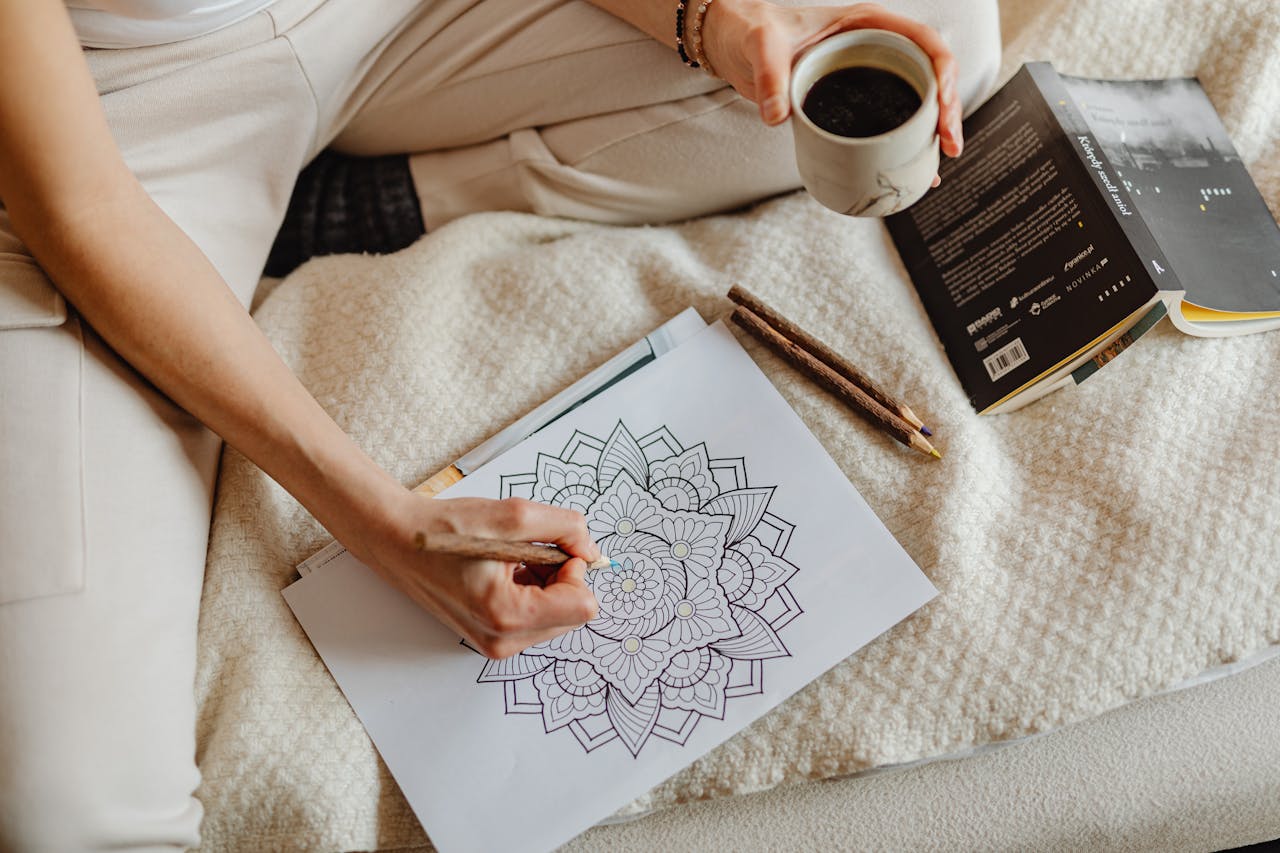
    1. Unleash Your Inner Artist with Adult Coloring: Remember the simple joy of coloring as a child? Well, it turns out that joy doesn’t fade with age. Adult coloring has become incredibly popular as a way to relieve stress and anxiety depression. The repetitive motions and focus required can be surprisingly therapeutic, allowing you to switch off from your worries and get lost in the creative process. Grab some colored pencils or markers and an adult coloring book, and let your imagination run wild. You might be surprised at how calming and satisfying it can be.
    2. Find Your Calm with Breathing Exercises: Sometimes, the simplest things are the most effective. Breathing exercises are a powerful tool for managing stress and promoting relaxation. Taking a few moments throughout the day to focus on your breath can significantly reduce stress levels and help you feel more centered. There are various breathing techniques you can explore, from simple deep breaths to more structured exercises. Experiment and find what feels best for you.
    3. Get Lost in the Pages of an Adult Coloring Book: Expanding on the first point, dedicating time to work on an adult coloring book can be a wonderful way to unwind. The intricate designs and patterns can captivate your attention, providing a welcome distraction from daily stressors. Plus, there are countless themes and styles available, so you can find something that truly resonates with your interests.
    4. Explore Different Adult Coloring Books: Don’t limit yourself to just one type of adult coloring book! There’s a whole world of options out there, from mandalas and nature scenes to abstract designs and even humorous themes. Trying different styles can keep things interesting and help you discover what you find most enjoyable and relaxing. Maybe you prefer the detailed precision of geometric patterns or the free-flowing nature of botanical illustrations.
    5. Practice Deep Breaths for Instant Relaxation: When you feel stress creeping in, a few slow, deep breaths can make a world of difference. This simple breathing technique involves inhaling deeply through your nose, holding for a few seconds, and then exhaling slowly through your mouth. Repeating this several times can help to slow your heart rate, lower your blood pressure heart rate, and calm your nervous system, offering a quick and effective way to release tension.

    Category 2: Active & Outdoorsy Fun

    Getting your body moving and spending time in nature are fantastic ways to boost your mood and reduce stress.

    1. Boost Your Mood with Physical Activity You Enjoy: Exercise isn’t just about physical health; it’s a powerful stress reliever too. Engaging in physical activity releases endorphins, which have mood-boosting effects. The key is to find an activity you genuinely enjoy, whether it’s dancing, swimming, hiking, or even just a brisk walk. Making it fun increases the likelihood of sticking with it and reaping the stress-reducing benefits.
    2. Get Your Heart Pumping with Activity and Increased Heart Rate: While gentle activities have their place, sometimes a more vigorous workout can be incredibly effective at releasing pent-up energy and stress. Activities that get your heart rate up, like running, cycling, or playing a sport, can help to burn off stress hormones and leave you feeling energized and refreshed. Just be sure to listen to your body and choose activities that are appropriate for your fitness level.
    3. Step Outside and Enjoy the Fresh Air: There’s something inherently calming about being outdoors. Spending time in fresh air can do wonders for your mental well-being. Whether you take a stroll in the park, sit in your garden, or simply open a window and breathe deeply, the change of scenery and the feeling of fresh air can be incredibly rejuvenating.
    4. Immerse Yourself in the Natural Environment: Taking your outdoor time a step further by immersing yourself in nature can have profound effects on your stress levels. Studies have shown that spending time in natural environments can lower stress hormones, improve mood, and even boost creativity. Consider going for a hike in the woods, spending time by a lake or ocean, or simply finding a peaceful spot in a park to relax and connect with nature.
    5. Make Fun Activities Part of Your Daily Routine: Integrating enjoyable activities into your daily routine doesn’t have to be a grand gesture. Even small doses of fun can make a big difference in managing stress. Maybe it’s listening to your favorite music during your commute, taking a few minutes for a quick game during your lunch break, or spending some time on a hobby after dinner. Consistency is key to making fun a regular part of your life.

    Category 3: Simple Pleasures & Hobbies

    These activities focus on the simple joys and hobbies that can bring a sense of peace and fulfillment.

    1. Discover Something Fun to Do in Your Leisure Time: What do you genuinely enjoy doing when you have some free time? Rediscovering old hobbies or exploring new ones can be a fantastic way to destress and bring more enjoyment into your life. Whether it’s reading, gardening, playing a musical instrument, or learning a new skill, dedicating leisure time to activities you love can be incredibly rewarding.
    2. Explore Different Breathing Techniques: As mentioned earlier, breathing exercises are a powerful stress reliever. Don’t be afraid to explore different breathing techniques to find what works best for you. Some popular techniques include box breathing, diaphragmatic breathing, and alternate nostril breathing. Each offers slightly different benefits, so experimenting can help you discover the most effective methods for managing your stress.
    3. Engage in Activities Recommended by a Certified Therapeutic Recreation Specialist (if applicable/relatable): If you’re dealing with significant stress or other mental health challenges, seeking guidance from a certified therapeutic recreation specialist could be beneficial. These professionals use recreational and leisure activities to help individuals improve their emotional wellbeing, physical health, and overall quality of life. They can recommend tailored activities to help you manage stress and find more enjoyment in daily life.
    4. Find Activities That Simply Feel Good: Sometimes, the best way to destress is to simply do something that feels good to you. This could be anything from taking a long, relaxing bath to listening to your favorite music, cuddling with a pet, or enjoying a warm cup of tea. Pay attention to what brings you comfort and joy, and make time for those simple pleasures.
    5. Dedicate Leisure Time to Things You Love: It’s easy to let our free time get filled with chores or passive activities like scrolling through social media. However, consciously dedicating leisure time to things you truly love can significantly boost your happiness and reduce stress. Make a list of activities that bring you joy and make a conscious effort to incorporate them into your schedule.

    Category 4: Proactive Stress Management & Wellbeing

    These activities focus on building habits and practices that contribute to long-term stress management and overall wellbeing.

    1. Find Your Go-To Stress Reliever Activities: Everyone needs a few reliable stress reliever activities they can turn to when things get tough. These are the activities that you know will help you calm down, relax, and regain perspective. Experiment with different options and identify a few that consistently work for you. This could be anything from listening to calming music to going for a run or spending time in nature.
    2. Take Steps to Manage Stress Through Enjoyable Hobbies: Managing stress isn’t just about reacting to stressful situations; it’s also about proactively building resilience. Engaging in enjoyable hobbies can be a fantastic way to manage stress levels over time. Hobbies provide a sense of purpose, allow you to learn new skills, and offer a healthy distraction from worries.
    3. Focus on Burnout Prevention with Fun Activities: Burnout is a state of emotional, physical, and mental exhaustion caused by prolonged or excessive stress. Incorporating fun activities into your life is a crucial aspect of burnout prevention. Regularly engaging in enjoyable activities helps to replenish your energy levels, improve your mood, and create a better work-life balance.
    4. Prioritize Adequate Rest for Overall Wellbeing: While not an activity in the traditional sense, getting adequate rest is absolutely essential for managing stress and promoting overall wellbeing. When you’re well-rested, you’re better equipped to handle stress and enjoy life more. Aim for 7-9 hours of quality sleep each night.
    5. Engage in Sensory Experiences You Find Relaxing: Our senses play a powerful role in our emotional state. Engaging in sensory experiences you find relaxing can be a great way to destress. This could involve aromatherapy with calming scents like lavender, enjoying the taste of your favorite comfort food, listening to soothing sounds, or experiencing the tactile sensation of a soft blanket.

    Why Fun Matters: The Benefits of Destressing Through Enjoyment

    It’s easy to think of fun as a frivolous pursuit, something to indulge in only when all the “important” tasks are done. However, research shows that incorporating fun and enjoyable activities into our lives has significant benefits for our mental and physical health. When we engage in activities we find fun, our brains release endorphins, natural mood boosters that can help to relieve stress and improve our overall sense of well-being.

    Furthermore, engaging in fun activities can help to lower levels of cortisol, the body’s primary stress hormone. Chronic stress can lead to elevated cortisol levels, which can have negative impacts on our health, including increased anxiety depression, difficulty sleeping, and a weakened immune system. By actively seeking out fun, we can help to regulate our stress response and protect our health.

    Here’s a table summarizing the benefits of incorporating fun into your life for stress reduction:

    BenefitDescription
    Endorphin ReleaseFun activities trigger the release of endorphins, natural mood elevators and pain relievers.
    Cortisol ReductionEngaging in enjoyable activities helps to lower levels of the stress hormone cortisol.
    Improved MoodFun naturally lifts your spirits and promotes a more positive outlook on life.
    Reduced AnxietyFocusing on enjoyable activities can provide a break from worries and reduce feelings of anxiety.
    Enhanced CreativityPlayful and fun activities can spark creativity and problem-solving skills.
    Increased Social ConnectionMany fun activities involve connecting with others, which can combat feelings of loneliness and isolation.
    Improved SleepBy reducing stress and promoting relaxation, fun activities can contribute to better sleep quality.
    Boosted ResilienceRegularly engaging in enjoyable activities can build emotional resilience to better cope with stress.

    Beyond the immediate benefits of stress relief, making time for fun can also improve our relationships, boost our creativity, and increase our overall life satisfaction. It’s not just about escaping stress; it’s about actively cultivating joy and well-being.

    Making Fun a Habit: Integrating Enjoyment into Your Life

    So, you’re convinced that fun is important, but how do you actually make it a regular part of your life, especially when you’re already feeling busy and stressed? Here are a few practical tips:

    • Schedule it: Just like you schedule important appointments, make time for fun in your calendar. Even if it’s just 15-30 minutes a day, consciously setting aside time for enjoyable activities can make a big difference.
    • Start small: You don’t need to plan elaborate outings or spend a lot of money to have fun. Simple activities like listening to music, reading a book, or taking a short walk can be incredibly beneficial.
    • Be intentional: Don’t just wait for fun to happen; actively seek it out. Think about what you enjoy and make a conscious effort to do those things.
    • Involve others: Share fun activities with friends or family. Social connection can amplify the joy and make it more likely that you’ll stick with it.
    • Don’t feel guilty: It’s easy to feel like you should be doing something “productive” instead of having fun. However, remember that taking time for enjoyment is an investment in your well-being, which ultimately makes you more productive and resilient.
    • Reflect on what you enjoy: Take some time to think about the activities that truly bring you joy and make you feel good. Keep a list of these activities and refer to it when you need inspiration.
    • Be present: When you are engaging in a fun activity, try to be fully present in the moment. Put away distractions and allow yourself to truly enjoy the experience.

    Conclusion

    Incorporating fun into your daily life isn’t a luxury – it’s a necessity for managing stress, improving your emotional wellbeing, and ultimately, enjoying life more.

    By exploring the 20 fun activities we’ve discussed, from the mindful practice of adult coloring to the invigorating experience of spending time in fresh air, you can find enjoyable ways to relieve stress and boost your overall happiness.

    Remember that even small doses of fun can make a significant difference. So, take the time to discover what brings you joy, make it a priority, and start enjoying a more balanced and fulfilling life today.

    FAQs:

    What are some fun things to do at home?

    There are countless fun things you can do at home to relieve stress and enjoy your leisure time! Here are a few ideas:

    • Engage in creative hobbies: Try adult coloring, drawing, painting, knitting, or playing a musical instrument. These activities can help you relax and express your creativity.
    • Have a movie or game night: Invite friends or family over for a fun evening of movies, board games, or video games. Laughter and connection are great stress relievers.
    • Cook or bake something delicious: Experimenting in the kitchen can be a therapeutic and rewarding experience. Plus, you get to enjoy the delicious results!
    • Read a good book or listen to an audiobook: Escape into another world through literature. Reading can be a great way to relax and unwind.
    • Practice mindfulness and relaxation techniques: Try meditation, yoga, or breathing exercises. There are many guided sessions available online.
    • Create a cozy and relaxing atmosphere: Light some candles, put on calming music, and curl up with a good book or a comforting beverage.
    • Learn something new online: Take an online course, watch documentaries, or explore a new topic that interests you. Learning can be stimulating and fun.
    • Have a virtual get-together with friends or family: Connect with loved ones online through video calls. Sharing laughter and conversation can help reduce feelings of isolation and stress.
    • Do some gardening indoors: If you have houseplants, spend some time tending to them. Connecting with nature, even indoors, can be calming.
    • Have a themed dance party: Put on your favorite music and dance it out! Physical activity and letting loose can be a great way to release tension.

    How can having fun reduce stress?

    Having fun is a powerful antidote to stress for several reasons:

    • Triggers the release of endorphins: Engaging in enjoyable activities stimulates the release of endorphins, which are natural painkillers and mood elevators. These chemicals can help to counteract the negative effects of stress on your body and mind.
    • Lowers cortisol levels: Stress leads to the release of cortisol, the body’s primary stress hormone. Fun activities can help to lower cortisol levels, promoting a state of relaxation and reducing the negative impacts of chronic stress on your health.
    • Provides a distraction from worries: When you’re focused on something fun, your mind is less likely to dwell on stressors and anxieties. This mental break can provide a much-needed respite from your worries and help you gain a new perspective.
    • Improves mood and promotes positive emotions: Engaging in activities you enjoy naturally lifts your spirits and fosters feelings of happiness, joy, and contentment. These positive emotions can help to buffer the effects of stress and improve your overall outlook on life.
    • Increases social connection: Many fun activities involve spending time with others, which can combat feelings of loneliness and isolation, both of which can contribute to stress. Social interaction and laughter are powerful stress relievers.
    • Enhances creativity and problem-solving skills: Engaging in playful activities can spark creativity and help you approach problems with a more open and flexible mindset.
    • Offers a sense of accomplishment and mastery: Learning a new skill or achieving a goal through a fun activity can boost your self-esteem and provide a sense of accomplishment, which can help to reduce feelings of stress and inadequacy.
    • Breaks up the monotony of daily life: Fun activities can add variety and excitement to your routine, making life feel more enjoyable and less stressful.

    What are the 5 A’s of stress management?

    While there isn’t one universally agreed-upon list of the “5 A’s” of stress management, a common and helpful framework includes:

    1. Avoid: This involves learning to say “no” to unnecessary commitments, avoiding situations that you know are likely to be stressful, and taking control of your environment to minimize stressors.
    2. Alter: This focuses on changing the things you can change. If you can’t avoid a stressful situation, try to alter it. This might involve adjusting your expectations, communicating your needs more assertively, or managing your time more effectively.
    3. Adapt: This involves changing your reaction to stressors that you can’t avoid or alter. This might include practicing mindfulness, reframing negative thoughts, or developing a more positive outlook.
    4. Accept: Sometimes, you can’t avoid, alter, or adapt to a stressor. In these situations, acceptance is key. This doesn’t mean you have to like the situation, but rather that you acknowledge its reality and learn to cope with it in a healthy way.
    5. Activity (or sometimes referred to as “Aerobic Exercise”): Engaging in regular physical activity is a crucial part of stress management. Exercise helps to release endorphins, improve mood, and provide a healthy outlet for stress. Aim for regular activity that you enjoy.

    This framework provides a helpful way to think about different strategies for managing stress in your life. Remember that finding the right approach is often a process of trial and error, and what works for one person may not work for another.

  • What Is The Most Relaxing Thing For Ultimate Peace Of Mind?

    What Is The Most Relaxing Thing For Ultimate Peace Of Mind?

    We’ve all been there. The end of a long day hits you like a ton of bricks. Your shoulders are tight, your mind is racing with a million to-dos, and that elusive feeling of peace seems miles away. You’re not alone. In our fast-paced world, finding moments of genuine relaxation and achieving that ultimate peace of mind can feel like searching for a hidden treasure. If you’re nodding along, you’re exactly where you need to be. This article is your map to discovering the relaxing things that can lead you to your personal oasis.

    The truth is, when it comes to the “most” relaxing thing, there’s no one-size-fits-all answer. What brings one person a sense of profound calm might leave another feeling restless. Think about it: for some, the idea of sitting in complete silence is heaven, while others might find it unnerving. The key lies in understanding that relaxation is a deeply personal journey. Our aim here is to explore a variety of avenues and provide you with the insights you need to pinpoint what truly resonates with your unique needs and preferences.

    The Subjectivity of Relaxation: Your Personal Path to Calm

    The beauty of relaxation lies in its diversity. Just as our personalities and life experiences differ, so too do our responses to various relaxation techniques. What triggers stress in one person might be a minor inconvenience for another. Similarly, the activities that help us unwind and find tranquility are incredibly individual.

    Consider these factors that play a crucial role in shaping your relaxation preferences:

    • Personality: Are you an introvert who recharges through solitude, or an extrovert who finds solace in social connections? Your personality will significantly influence the types of relaxing things you gravitate towards. An introvert might find peace in reading a book alone, while an extrovert might feel most relaxed chatting with friends.
    • Past Experiences: Have you had positive experiences with certain relaxation methods in the past? Perhaps childhood memories of listening to calming music or spending time in nature evoke feelings of peace and comfort. These past associations can strongly influence what you find relaxing now.
    • Current Needs: What kind of stress are you currently experiencing? Are you dealing with mental fatigue, physical tension, or emotional turmoil? The type of relaxation that will be most effective will depend on the specific needs of your mind and body at that moment. For instance, after a physically demanding long day, a warm bath might be more appealing than a guided meditation.
    • Sensory Preferences: Are you someone who finds comfort in specific sounds, smells, or textures? Perhaps the gentle lapping of waves is your ultimate relaxation soundtrack, or the scent of lavender instantly calms your nerves. Understanding your sensory preferences can guide you towards relaxing things that truly soothe you.

    Recognizing this inherent subjectivity is the first step towards discovering your own personal recipe for peace. It’s about becoming more self-aware and tuning into what truly makes you feel at ease, rather than trying to force yourself into a relaxation method that doesn’t feel natural.

    Exploring Different Categories of Relaxation Techniques

    To help you navigate the vast landscape of relaxation, let’s explore some key categories and delve into specific examples within each. Remember, the goal is to find what clicks with you, so feel free to experiment and see what brings you the most profound sense of calm.

    A. Mindfulness and Meditation: Taming the Anxious Thoughts

    Mindfulness and meditation are powerful tools for training your mind to focus on the present moment, without judgment. These practices can be incredibly effective in quieting the constant stream of anxious thoughts that often contribute to stress.

    • Explanation of Mindfulness and its Benefits: Mindfulness is the practice of paying attention to the present moment intentionally. It’s about observing your thoughts, feelings, and sensations without getting carried away by them. Regular mindfulness practice has been shown to have numerous benefits, including reducing stress levels, improving focus, and fostering a greater sense of well-being.
    • Examples: Deep Breathing Exercises: One of the simplest yet most effective mindfulness techniques is deep breathing. When you feel overwhelmed, taking a few slow, deep breaths can make a world of difference. Try inhaling deeply through your nose, filling your abdomen with air, holding for a few seconds, and then exhaling slowly through your mouth. This simple act can immediately calm your nervous system and lower your heart rate. It’s a fantastic stress reduction idea you can use anytime, anywhere.
    • Examples: Guided Meditation: Guided meditations involve listening to a recording that leads you through a relaxation exercise. These can focus on various themes, such as body awareness, visualization, or loving-kindness. They are a great way to start meditating, as the guidance helps to keep your mind focused. You can find countless guided meditations online or through apps.
    • Examples: Body Scan Meditation: This technique involves bringing your awareness to different parts of your body, noticing any sensations without judgment.1 It helps to release physical tension and promotes a deeper connection with your body. Starting from your toes and gradually moving up to the top of your head, you simply observe what you feel in each area.
    • How these practices calm the mind and reduce mental clutter: By focusing on the present moment, mindfulness and meditation help to interrupt the cycle of worry and rumination. They allow you to observe your thoughts without getting caught up in them, creating space for clarity and peace. Regular practice can significantly contribute to reducing stress and promoting a calmer mental state.

    B. Physical Activities (Gentle and Mindful Movement): The Mind-Body Connection

    While intense workouts can sometimes feel like stress relievers, gentle and mindful movement focuses on the connection between your body and mind, promoting relaxation without putting excessive strain on your system.

    • Explain how certain physical activities can promote relaxation: When you engage in mindful movement, you’re not just exercising your body; you’re also calming your mind. These activities often involve focused attention on your breath and body sensations, which can help to shift your focus away from stressors.
    • Examples: Yoga: Yoga combines physical postures, breathing techniques, and meditation or relaxation. Different styles of yoga offer varying levels of intensity, but many focus on gentle stretching, balance, and mindfulness. Regular yoga practice can improve flexibility, reduce muscle tension, lower blood pressure, and promote overall relaxation.
    • Examples: Tai Chi: Often described as “meditation in motion,” Tai Chi is a gentle form of exercise that involves slow, flowing movements. It emphasizes balance, coordination, and focused attention, making it a wonderful way to reduce stress and improve both physical and mental well-being.
    • Examples: Gentle Stretching: Even a few minutes of gentle stretching can help to release tension that accumulates throughout the day. Focus on stretching major muscle groups, holding each stretch for a comfortable duration while breathing deeply. This can be particularly helpful after sitting for long periods or experiencing a long day.
    • Examples: Walking in Nature: Combining physical movement with the tranquility of nature can be incredibly relaxing. A leisurely walk in a park, forest, or along a beach allows you to enjoy the fresh air, breathtaking views, and the calming sounds of nature. This can be a fantastic way to clear your head and reduce stress levels.
    • The mind-body connection in stress reduction: These activities highlight the powerful connection between our physical and mental states. By engaging in gentle movement with awareness, we can release physical tension, which in turn helps to calm our minds and reduce stress. This mind-body connection is crucial in our ability to combat stress effectively.

    C. Sensory Experiences: Engaging Your Senses for Calm

    Our senses play a vital role in how we experience the world, and intentionally engaging them can be a powerful way to induce relaxation.

    • Discuss how engaging the senses can be deeply relaxing: Sensory experiences can directly impact our nervous system, triggering feelings of calm and well-being. By focusing on pleasant sensory input, we can distract ourselves from stressors and create a more peaceful internal environment.
    • Examples: Listening to Calming Music or Nature Sounds: Music has a profound effect on our emotions. Slow, melodic music or the soothing sounds of nature, such as rain, waves, or birdsong, can significantly lower your heart rate and reduce stress levels. Create a playlist of your favorite calming sounds to have on hand whenever you need to unwind.
    • Examples: Aromatherapy: Certain scents have been shown to have relaxing properties. Lavender, chamomile, and sandalwood are just a few examples of essential oils that can promote calmness and reduce anxiety. You can use an essential oil diffuser, add a few drops to a warm bath, or simply inhale the scent directly from the bottle.
    • Examples: Enjoying a Warm Bath: A warm bath is a classic relaxation technique for a reason. The warmth of the water can soothe sore muscles, while the feeling of being submerged can be incredibly comforting. Adding Epsom salts or a few drops of your favorite essential oil can enhance the relaxing experience.
    • Examples: The Comfort of a Weighted Blanket: Weighted blankets provide deep pressure stimulation, which can have a calming effect on the nervous system. They can help2 to reduce anxiety, improve sleep, and promote a feeling of security and comfort.
    • The impact of sensory input on the nervous system: Our senses directly communicate with our brain, and pleasant sensory experiences can trigger the release of calming neurochemicals, helping to regulate our nervous system and promote a state of relaxation.

    D. Creative Pursuits and Hobbies: Finding Flow and Joy

    Engaging in activities that you enjoy and that allow you to express your creativity can be a wonderful way to relax and escape from the stresses of daily life.

    • Explain how engaging in enjoyable hobbies can be a form of relaxation: When you’re engrossed in a hobby you love, your mind tends to focus on the task at hand, pushing worries and anxious thoughts to the background. This can be a very effective way of reducing stress and promoting a sense of flow.
    • Examples: Painting, Drawing, or Coloring: Engaging in artistic activities can be incredibly therapeutic. Whether you’re a seasoned artist or just enjoy doodling, the act of creating something can be very relaxing and rewarding. Adult coloring books have become particularly popular as a stress reduction idea.
    • Examples: Playing a Musical Instrument: Learning and playing a musical instrument can be a challenging yet deeply rewarding and relaxing hobby. It requires focus and concentration, which can help to quiet the mind.
    • Examples: Gardening: Connecting with nature through gardening can be both physically and mentally relaxing. The feel of the soil, the scent of flowers, and the satisfaction of nurturing plants can be incredibly grounding.
    • Examples: Knitting or Crocheting: These repetitive, rhythmic activities can have a meditative quality, helping to reduce stress and promote a sense of calm. The feeling of creating something with your hands can also be very satisfying.
    • The concept of “flow” and its relaxing effects: “Flow” is a state of complete immersion and energized focus in an activity, with a feeling of full involvement and enjoyment in the process. When you’re in a state of flow, time seems to disappear, and you’re completely absorbed in what you’re doing. This can be an incredibly relaxing and fulfilling experience.

    E. Connecting with Nature: The Restorative Power of the Outdoors

    Spending time in nature has been consistently linked to reduced stress levels and improved well-being. The natural world offers a sense of calm and tranquility that can be incredibly restorative.

    • Discuss the restorative power of nature: Nature has a way of putting things into perspective. The vastness of the sky, the beauty of a forest, or the sound of the ocean can help us to feel more connected and less overwhelmed by our daily worries.
    • Examples: Spending Time in Parks or Forests: Taking a walk, having a picnic, or simply sitting and enjoying the scenery in a park or forest can be a wonderful way to reconnect with nature and reduce stress. The fresh air and natural surroundings can be incredibly calming.
    • Examples: Listening to Nature Sounds: Even if you can’t get out into nature, listening to recordings of nature sounds, such as rain, waves, or birdsong, can have a similar calming effect.
    • Examples: Simply Being Outdoors: Even spending a few minutes in your backyard or on your balcony can be beneficial. Notice the plants, the sky, and the sounds around you. This simple act of connecting with the outdoors can help to lower blood pressure and improve your mood.
    • The benefits of fresh air and natural surroundings: Fresh air is invigorating and can help to clear your mind. Natural surroundings provide a sense of peace and tranquility that can be incredibly effective in reducing stress and promoting relaxation. Imagine the breathtaking views from a mountaintop or the serenity of a quiet beach – these images alone can evoke feelings of calm.

    The Importance of Consistency and Finding What Resonates

    Relaxation isn’t a one-time fix; it’s an ongoing practice. Just like any other skill, the more you practice relaxation techniques, the better you’ll become at accessing that state of calm when you need it most.

    It’s crucial to remember that what works for one person might not work for you. Don’t be discouraged if you try a technique and it doesn’t immediately bring you the peace you’re seeking. The key is to experiment with different relaxing things until you find what truly resonates with you.

    Consider incorporating relaxation practices into your daily routine, even if it’s just for a few minutes each day. This consistency can have a significant impact on your overall stress levels and your ability to find peace of mind.

    Beyond Immediate Relaxation: Cultivating Long-Term Peace of Mind

    While immediate relaxation techniques are valuable for managing acute stress, cultivating long-term peace of mind involves a more holistic approach. Consistent engagement in relaxing activities contributes significantly to this, but it’s also important to consider other aspects of your well-being.

    • Healthy Habits: Ensuring you get enough sleep, eat a balanced diet, and engage in regular physical activity are fundamental to managing stress and promoting mental well-being. These healthy habits create a strong foundation for relaxation to be more effective.
    • Stress Management Skills: Learning effective stress management techniques, such as time management, problem-solving, and setting healthy boundaries, can help to reduce the frequency and intensity of stressors in your life.
    • Social Connection: Spending time with loved ones and nurturing meaningful relationships can provide emotional support and a sense of belonging, which are crucial for overall well-being and peace of mind.
    • Seeking Professional Guidance: If you’re struggling with chronic stress or anxiety, don’t hesitate to seek professional help. Therapists and stress management coaches can provide valuable tools and strategies to help you manage your stress levels and cultivate greater peace in your life.

    Conclusion: Your Journey to Inner Calm

    Finding the most relaxing thing for ultimate peace of mind is a deeply personal and rewarding journey. There’s no magic bullet or one-size-fits-all solution. The key is to explore the diverse landscape of relaxation techniques, pay attention to your own unique needs and preferences, and be patient with the process.

    We encourage you to experiment with the various stress reduction ideas we’ve discussed, from the simple act of deep breathing to the immersive experience of connecting with nature. Discover what truly helps you to quiet your mind, soothe your body, and tap into that inner sense of calm.

    Prioritizing your well-being and actively seeking out relaxing things is an investment in your overall health and happiness. Embrace the journey, be kind to yourself, and remember that the possibility of achieving ultimate peace of mind is within your reach.

    FAQs

    What is the most relaxing thing to fall asleep to?

    Many people find that listening to calming sounds, such as white noise, nature sounds (like rain or ocean waves), or gentle instrumental music, can be incredibly relaxing for falling asleep.

    Others find guided sleep meditations or audiobooks with soothing narration to be helpful in quieting their minds before sleep. The best option often depends on individual preferences. Some find complete silence most relaxing, while others need some form of auditory input to block out distracting thoughts.

    What is the most relaxing thing in the world?

    Defining the “most” relaxing thing in the world is impossible due to its subjective nature. However, many people report experiencing profound relaxation through activities like spending time in nature, witnessing breathtaking views, engaging in deep meditation, receiving a massage, or simply being in the company of loved ones in a peaceful setting. Ultimately, the most relaxing thing is what brings the greatest sense of calm and peace to an individual.

    Which phase of relaxing is the most important?

    All phases of relaxation are important and contribute to the overall benefit. However, the initial phase, where you consciously decide to set aside time for relaxation and begin to disengage from stressors, is crucial.

    This sets the intention and creates the space for deeper relaxation to occur. The sustained phase, where you maintain the relaxing activity and allow your body and mind to unwind, is also vital for experiencing the full benefits, such as a lower heart rate and reduced stress levels.

    Which sensation is common during relaxation?

    Several sensations are commonly experienced during relaxation. These can include a feeling of warmth spreading through the body, a decrease in muscle tension, a slowing of the heart rate and breathing, a sense of lightness or floating, and a feeling of mental calmness and clarity. Some people may also experience a sense of peace, joy, or contentment.

    Which is the most relaxing hobby?

    Again, the “most” relaxing hobby is subjective. However, many hobbies are known for their relaxing qualities. These include gardening, reading, listening to music, painting or drawing, knitting or crocheting, playing a musical instrument, and spending time in nature through activities like birdwatching or hiking.

    The key is to choose a hobby that you genuinely enjoy and that allows you to enter a state of flow or focused attention, helping to distract from anxious thoughts and promote a sense of calm.

    What’s some of the most relaxing things to do for a birthday?

    There are many relaxing things you can do for a birthday to celebrate and unwind. Some ideas include:

    • Spa Day: Treat yourself to a massage, facial, or other spa treatments.
    • Quiet Getaway: Spend a night or two in a peaceful setting, such as a cabin in the woods or a beachside hotel.
    • Nature Retreat: Go for a hike, have a picnic in a park, or simply spend time enjoying the outdoors.
    • Relaxing Bath: Indulge in a long, warm bath with essential oils and candles.
    • Enjoy a Good Book: Curl up with a captivating book in a comfortable setting.
    • Mindful Meditation: Dedicate some time to quiet reflection and meditation.
    • Gentle Yoga or Stretching: Start or end your day with some gentle movement to release tension.
    • Enjoy Calming Music: Create a playlist of your favorite relaxing tunes and simply listen.
    • Spend Time with Loved Ones: Enjoy a low-key gathering with close friends or family in a relaxed atmosphere.

    Ultimately, the most relaxing birthday activities are those that allow you to disconnect from stress, enjoy the present moment, and do something that you truly find enjoyable and peaceful.

    Relaxation TechniqueImpact on Heart RateImpact on Stress LevelsKey Benefits
    Deep BreathingLowersReducesQuick and easy stress reduction, improves focus.
    Guided MeditationLowersReducesCalms the mind, reduces mental clutter, promotes emotional well-being.
    YogaLowersReducesImproves flexibility, reduces muscle tension, promotes mind-body connection.
    Listening to Calming MusicLowersReducesSoothes emotions, creates a peaceful atmosphere.
    Spending Time in NatureLowersReducesRestorative, promotes a sense of calm and connection.
    Engaging in HobbiesVariesReducesPromotes flow, provides a sense of accomplishment and enjoyment.

  • 100 Relaxing Things to Do By Yourself: Unwind Solo

    100 Relaxing Things to Do By Yourself: Unwind Solo

    Hey there, fellow seeker of serenity! In our hustle-bustle world, finding moments of peace can feel like a luxury. But what if I told you that the key to unlocking deep relaxation lies within the simple act of spending time with yourself?

    That’s right, embracing your own company and indulging in some solo downtime can be incredibly powerful for your mental and emotional well-being. This isn’t about feeling lonely or isolated; it’s about intentionally carving out space to recharge, reflect, and simply be.

    Whether you’re a seasoned solo traveler or someone just starting to explore the joys of their own company, this guide is for you. We’ve compiled a list of 100 relaxing activities you can enjoy all by yourself.

    Think of this as your ultimate resource for those moments when you need to reduce stress, quiet your mind, and just unwind. So, grab a cozy blanket, maybe a warm drink, and let’s dive into a world of solo bliss!

    Relaxing Things to Do at Home

    Your home can be your sanctuary, a personal haven where you can truly let your guard down. Here are some deeply relaxing solo activities you can enjoy within the comfort of your own four walls:

    • Mindful Moments:
      1. Meditation and Mindfulness Exercises: Take some time to sit quietly, focus on your breath, and let go of racing thoughts. There are countless guided meditation apps and resources available to help you on this journey. Even just five minutes of mindful breathing can make a world of difference.
      2. Journaling and Self-Reflection: Grab a notebook and pen and let your thoughts flow freely. Explore your feelings, dreams, and aspirations. This can be a powerful way to process emotions and gain clarity. Consider prompts like “What am I grateful for today?” or “What are my goals for the future?”
      3. Deep Breathing Exercises: Simple yet incredibly effective, deep breathing can calm your nervous system in minutes. Find a comfortable position, close your eyes, and inhale deeply through your nose, hold for a few seconds, and exhale slowly through your mouth. Repeat several times.
      4. Listening to Calming Music: Create a playlist of soothing instrumental music, classical pieces, or ambient sounds. Let the melodies wash over you and transport you to a place of tranquility. Music has a profound impact on our mood and can be a wonderful tool for relaxation.
      5. Listening to Nature Sounds: Whether it’s the gentle patter of rain, the soothing sounds of ocean waves, or the peaceful chirping of birds, nature sounds can be incredibly calming. There are many apps and online resources that offer a variety of nature soundscapes.
      6. Practicing Gratitude: Take a few moments each day to think about the things you’re grateful for. This simple practice can shift your focus from worries and anxieties to the positive aspects of your life, fostering a sense of contentment.
    • Creative Pursuits:

      7. Reading a Good Book: Escape into another world with a captivating novel, learn something new with a non-fiction book, or simply enjoy the pleasure of well-crafted words. Find a cozy spot, perhaps with a cup of tea, and lose yourself in the pages.

      8. Writing Stories: Unleash your inner storyteller and let your imagination run wild. You don’t need to be a professional writer; just enjoy the process of creating narratives and exploring different characters and worlds.

      9. Writing Poems: Express your emotions and thoughts through the art of poetry. Experiment with different forms and styles, or simply let your feelings guide your words. It’s a beautiful way to connect with your inner self.

      10. Drawing: Grab a sketchbook and some pencils and let your creativity flow. You don’t need to be an expert artist; the act of drawing itself can be incredibly therapeutic and relaxing. Doodle, sketch, or try your hand at more detailed artwork.

      11. Painting: Whether you prefer watercolors, acrylics, or oils, painting can be a wonderful way to express yourself and unwind. Set up your easel, choose your colors, and let your emotions guide your brushstrokes.

      12. Coloring: Adult coloring books have become incredibly popular for a reason. The repetitive motion and focus on colors can be very calming and meditative. Choose intricate patterns or simpler designs, whatever appeals to you.

      13. Learning a New Craft (Knitting): The rhythmic clicking of knitting needles can be surprisingly soothing. Plus, you’ll end up with a cozy creation! There are plenty of online tutorials to get you started.

      14. Learning a New Craft (Crochet): Similar to knitting, crochet involves repetitive motions that can be very relaxing. You can create anything from blankets to amigurumi.

      15. Playing a Musical Instrument: If you already play an instrument, dedicate some time to practicing and enjoying the music. If you’ve always wanted to learn, now might be the perfect time to pick one up! Even just strumming a few chords can be incredibly therapeutic.
    • Self-Care and Pampering:

      16. Taking a Long Bath with Bath Bombs: Transform your bathroom into a spa-like oasis. A bath bomb releases delightful scents and skin-softening ingredients, creating a truly indulgent experience.

      17. Taking a Long Bath with Essential Oils: Add a few drops of your favorite essential oils to a warm bath for an extra dose of relaxation. Lavender, chamomile, and sandalwood are known for their calming properties.

      18. Doing a Face Mask: Treat your skin to some TLC with a hydrating or purifying face mask. Lie back, relax, and let the mask work its magic.

      19. Following a Skincare Routine: Take your time and enjoy the process of cleansing, toning, and moisturizing your skin. This can be a mindful and self-loving ritual.

      20. Giving Yourself a Manicure: Pamper your hands with a relaxing manicure. Trim, file, and paint your nails in your favorite color.

      21. Giving Yourself a Pedicure: Don’t forget your feet! Soak them in warm water, exfoliate, and moisturize for a truly relaxing experience.

      22. Trying Aromatherapy: Use an essential oil diffuser to fill your home with calming scents. Different oils have different benefits, so explore and find what works best for you.

      23. Brushing Your Hair Slowly and Mindfully: This simple act can be surprisingly soothing. Focus on the sensation of the brush on your scalp and enjoy the moment.
    • Comfort and Cozy Activities:

      24. Curling Up with a Warm Blanket: There’s nothing quite like snuggling under a soft, warm blanket when you want to feel comforted and secure.

      25. Enjoying a Hot Drink: Whether it’s a soothing herbal tea, a comforting mug of hot chocolate, or a warm glass of milk, a hot drink can be incredibly relaxing.

      26. Watching a Comforting Movie: Put on a feel-good movie that always makes you smile. Sometimes, all you need is a familiar and enjoyable story to help you unwind.

      27. Watching a Comforting TV Show: Binge-watching your favorite lighthearted TV show can be a great way to switch off your brain and simply relax.

      28. Listening to a Podcast: Find a podcast on a topic that interests you, whether it’s storytelling, comedy, or informative discussions. It’s a great way to entertain yourself while relaxing.

      29. Lighting Candles: The soft glow and gentle flicker of candlelight can create a warm and inviting atmosphere, perfect for relaxation.

      30. Lighting Incense: The fragrant smoke of incense can be very calming and can also help to create a peaceful ambiance in your home.

      31. Organizing and Decluttering a Small Space: While it might not sound immediately relaxing, tidying up a small area can actually bring a sense of calm and order to your surroundings, which can in turn help you feel more relaxed.
    • Sensory Experiences:

      32. Sipping a Delicious Cup of Tea: Explore different types of tea, from calming chamomile to soothing lavender. Take your time to savor the flavors and aromas.

      33. Sipping a Delicious Cup of Coffee: For some, the ritual and taste of a good cup of coffee can be incredibly comforting and relaxing, especially when enjoyed in a peaceful setting.

      34. Trying a New Recipe: Focus on the process of cooking, the aromas of the ingredients, and the satisfaction of creating something delicious.

      35. Enjoying the Process of Cooking: Even if you’re making a familiar dish, try to be more mindful of the steps involved and enjoy the sensory experience of cooking.

      36. Baking Something Sweet: The smell of freshly baked goods can instantly lift your spirits. Plus, you get a tasty treat to enjoy afterwards!

      37. Smelling Flowers: Bring a bouquet of your favorite flowers into your home and enjoy their beautiful colors and fragrant scents.

      38. Smelling Essential Oils: Use an essential oil inhaler or simply put a few drops on your wrists to enjoy their calming aromas throughout the day.

      39. Enjoying a Piece of Dark Chocolate: A small piece of high-quality dark chocolate can be a delightful sensory experience and may even have some stress-reducing benefits.

    Relaxing Things to Do Outdoors

    Stepping outside and connecting with nature can be incredibly rejuvenating for the mind and soul. Here are some relaxing solo activities to enjoy in the great outdoors:

    • Nature Immersion:

      40. Going for a Walk in a Park: Explore the greenery, listen to the sounds of nature, and enjoy the fresh air. A simple walk in a park can do wonders for your mood.

      41. Going for a Walk on a Nature Trail: Immerse yourself in a more natural environment, surrounded by trees, plants, and wildlife. Take your time and appreciate the beauty around you.

      42. Sitting by a Lake: Find a peaceful spot by a lake, listen to the gentle lapping of the water, and enjoy the serene atmosphere.

      43. Sitting by a River: The sound of a flowing river can be incredibly calming and meditative. Find a comfortable place to sit and let your worries drift away.

      44. Hiking in the Woods: Challenge yourself with a hike through the forest and enjoy the tranquility of nature. The physical activity combined with the natural surroundings can be a great stress reliever.

      45. Birdwatching: Grab a pair of binoculars and try to spot different types of birds. Their songs and movements can be fascinating to observe.

      46. Gardening: Get your hands dirty and connect with nature by tending to a garden. The act of planting, watering, and nurturing plants can be very therapeutic.

      47. Tending to Plants: Even if you don’t have a full garden, caring for indoor plants can be a relaxing and rewarding activity.
    • Peaceful Exploration:

      48. Visiting a Botanical Garden: Wander through beautifully curated gardens and admire the diverse collection of plants and flowers. It’s a feast for the senses.

      49. Exploring a Local Park You’ve Never Been To: Discover a new green space in your neighborhood and enjoy the feeling of exploring something new.

      50. Wandering Through a Quiet Neighborhood: Take a leisurely stroll through a peaceful neighborhood and admire the architecture and landscaping.

      51. Visiting a Historical Site at Your Own Pace: Explore historical sites and landmarks without the pressure of a group tour. Take your time to read the information and soak in the atmosphere.

      52. Visiting a Landmark at Your Own Pace: Similar to historical sites, visit local landmarks and appreciate their significance and beauty at your own speed.

      53. Taking Photos of Nature: Capture the beauty of the natural world through photography. Focus on details, colors, and compositions that appeal to you.

      54. Taking Photos of Architecture: If you appreciate urban landscapes, take your camera and capture interesting architectural details and designs.
    • Active Relaxation:

      55. Going for a Solo Bike Ride: Enjoy the freedom and fresh air as you cycle through scenic routes. Biking is a great way to get some exercise while enjoying your surroundings.

      56. Practicing Yoga Outdoors: Find a quiet spot in nature and enjoy a refreshing yoga session. The combination of movement and fresh air can be incredibly invigorating.

      57. Practicing Tai Chi Outdoors: The slow, flowing movements of Tai Chi are perfect for relaxation and can be even more enjoyable when practiced in a natural setting.

      58. Swimming in a Lake: Take a refreshing dip in a lake and enjoy the feeling of the cool water on your skin.

      59. Swimming in the Ocean: The sound of the waves and the vastness of the ocean can be incredibly calming. Enjoy a solo swim and let your worries wash away.

      60. Kayaking: Explore waterways at your own pace and enjoy the peacefulness of being on the water.

      61. Canoeing: Similar to kayaking, canoeing offers a relaxing way to explore lakes and rivers.

      62. Having a Picnic in a Scenic Spot: Pack a delicious meal and find a beautiful spot in nature to enjoy it. Savor the food and the surroundings.
    • Simple Pleasures:

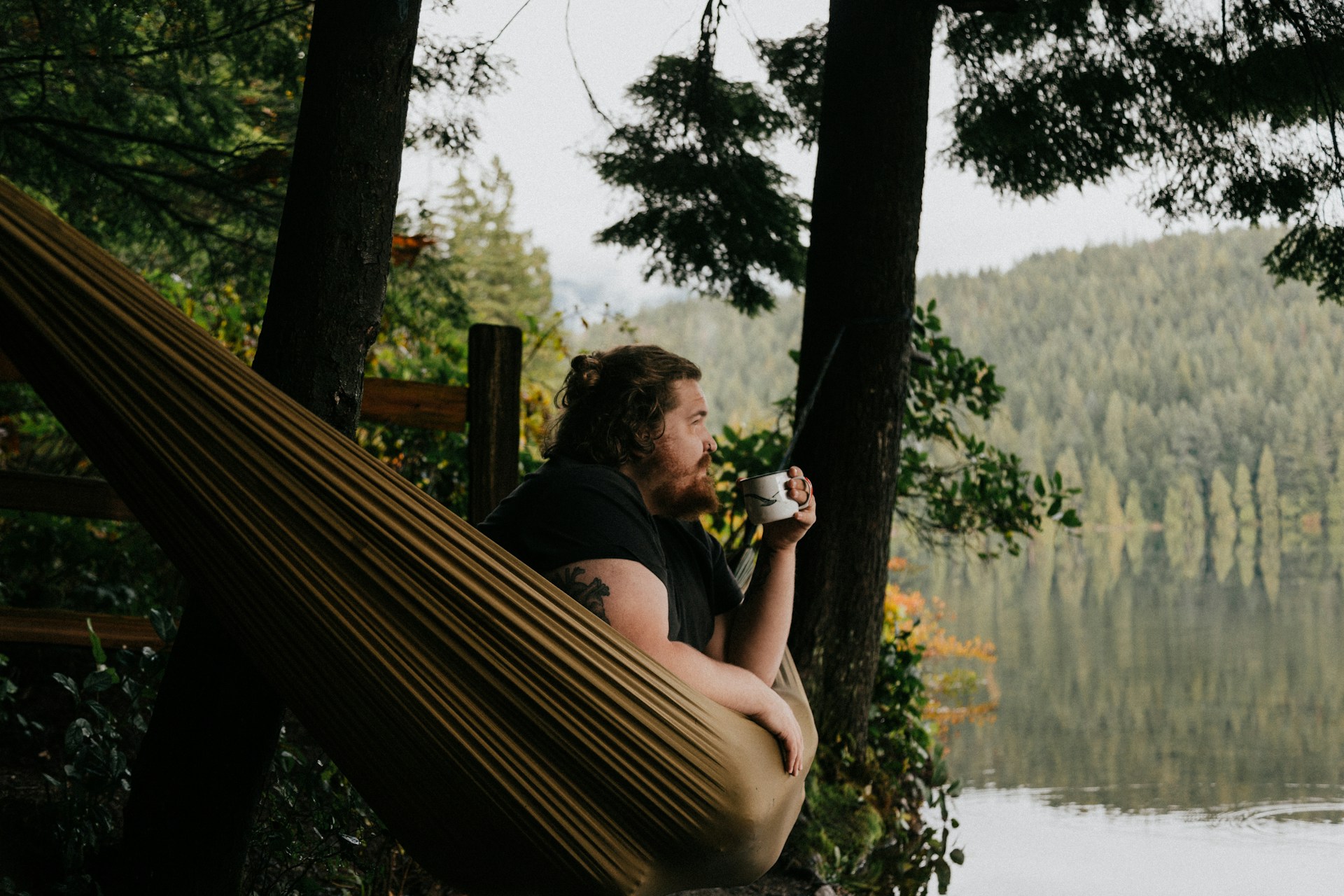
      63. Lying in a Hammock: Gently sway in a hammock and enjoy the feeling of weightlessness. It’s the perfect way to relax and unwind.

      64. Watching the Sunset: Find a good vantage point and witness the beauty of the sun setting. The colors and the peaceful atmosphere can be truly mesmerizing.

      65. Watching the Sunrise: Wake up early and experience the quiet beauty of the sun rising. It can be a peaceful and inspiring way to start your day.

      66. Stargazing: On a clear night, find a dark spot away from city lights and gaze at the stars. The vastness of the universe can put things into perspective.

      67. Cloud Gazing: Lie back and watch the clouds drift by, letting your imagination create shapes and stories.

      68. Feeling the Breeze on Your Skin: Simply find a comfortable spot outdoors and enjoy the gentle sensation of the breeze on your face and body.

    Relaxing Things to Do in Your Community

    Sometimes, a change of scenery can be just what you need to relax and recharge. Here are some relaxing solo activities to enjoy in your local community:

    • Cultural Enrichment:

      69. Visiting a Museum: Explore art, history, or science at your own pace. Museums offer a chance to learn and be inspired.

      70. Visiting an Art Gallery: Admire the works of different artists and let your mind be stimulated by creativity.

      71. Going to a Solo Movie: Enjoy the immersive experience of watching a film on the big screen without any distractions.

      72. Going to a Solo Play: Immerse yourself in a live theatrical performance and enjoy the artistry of the actors and the story.

      73. Attending a Local Concert: Enjoy live music from local artists or touring bands. Music can be a powerful mood booster.

      74. Attending a Local Performance: Check out other types of performances in your community, such as dance recitals or comedy shows.

      75. Browse in a Bookstore: Spend some time wandering through the aisles of a bookstore, discovering new authors and titles.

      76. Visiting a Library: Libraries are quiet havens where you can browse books, read, and even attend free events.
    • Comfort and Connection (with yourself):

      77. Spending Time at a Coffee Shop with a Good Book: Find a cozy corner in a coffee shop, order your favorite drink, and lose yourself in a good book. The ambient noise can sometimes be surprisingly comforting.

      78. Having a Meal at a Restaurant You’ve Been Wanting to Try: Treat yourself to a delicious meal at a restaurant you’ve been curious about. Enjoy the food and the experience of dining alone.

      79. Visiting a Local Market: Explore farmers’ markets or craft fairs and enjoy the vibrant atmosphere and unique offerings.

      80. Getting a Massage: Indulge in a relaxing massage to ease tension and stress in your muscles.

      81. Getting a Spa Treatment: Treat yourself to a facial, body wrap, or other spa treatment for a truly pampering experience.

      82. Trying a New Class (Yoga): Join a yoga class and enjoy the physical and mental benefits of this practice.

      83. Trying a New Class (Painting): Unleash your creativity and learn a new skill by taking a painting class.
    • Quiet Reflection:

      84. Visiting a Place of Worship: Regardless of your religious beliefs, visiting a quiet place of worship can offer a sense of peace and tranquility.

      85. Sitting in a Quiet Corner of a Public Space: Find a bench in a park, a quiet corner in a lobby, or any other peaceful spot where you can simply sit and observe the world around you.

      86. Mindfully People-Watching: Find a comfortable spot and observe people passing by without judgment. It can be a fascinating way to connect with your community.

      87. Visiting a Memorial: Take some time to reflect at a local memorial and pay your respects.

      88. Visiting a Monument: Admire the artistry and historical significance of local monuments.

      89. Spending Time in a Quiet Garden: Many communities have small, hidden gardens that offer a peaceful escape from the hustle and bustle.

      90. Spending Time in a Quiet Courtyard: Look for tucked-away courtyards where you can enjoy a moment of solitude.

    Tips for Maximizing Solo Relaxation

    To truly make the most of your solo relaxation time, consider these helpful tips:

    1. Disconnect from Technology (at least for a while): Put away your phone, turn off the notifications on your computer, and allow yourself to fully disconnect from the digital world. This will help you be more present in the moment.
    2. Be Present in the Moment: Try to focus on the activity you’re doing and engage all your senses. Avoid letting your mind wander to worries or to-do lists.
    3. Don’t Be Afraid to Embrace Silence: Silence can be incredibly powerful for introspection and relaxation. Allow yourself to simply be with your thoughts without feeling the need to fill the void with noise.
    4. Listen to Your Body and Mind: Pay attention to what feels truly relaxing for you. Don’t force yourself to do an activity just because it’s on this list. Choose what resonates with you in the moment.
    5. Schedule Regular Solo Relaxation Time: Just like you schedule appointments or work tasks, make time for solo relaxation in your week. Even short, regular breaks can make a big difference.
    6. Create a Relaxing Atmosphere: Whether you’re at home or out and about, try to create an environment that promotes relaxation. This might involve dimming the lights, playing soft music, or finding a quiet corner.
    7. Let Go of Expectations and Judgments: Don’t put pressure on yourself to have the “perfect” relaxing experience. Just allow yourself to enjoy the moment without judgment.
    8. Experiment with Different Activities to Find What Works Best for You: What one person finds relaxing, another might not. Try different activities from this list and see what truly helps you unwind and recharge. Perhaps you’ll discover a new favorite solo activity!
    9. Remember That It’s Okay to Enjoy Your Own Company: There’s nothing wrong with spending time alone. In fact, it can be incredibly beneficial for your self-awareness and well-being. Embrace your solitude.
    10. Be Kind and Patient with Yourself: If you find it difficult to relax at first, don’t get discouraged. It’s a skill that takes practice. Be patient with yourself and keep trying.

    Relaxing Solo Activities: A Comprehensive Guide

    Discover a variety of solo activities to unwind, recharge, and enjoy your own company. From mindful moments at home to peaceful nature excursions, this table offers ideas for every mood and setting.

    Whether you prefer cozy indoor experiences or tranquil outdoor adventures, find inspiration for your next relaxing solo day.

    CategoryActivityDescription
    Mindful MomentsMeditation and Mindfulness ExercisesPractice deep breathing and stay present in the moment.
    Journaling and Self-ReflectionWrite down thoughts and reflect on emotions.
    Listening to Calming MusicRelax with peaceful tunes.
    Practicing GratitudeList things you’re grateful for to boost positivity.
    Creative PursuitsReading a Good BookImmerse yourself in a story.
    Writing Stories or PoemsChannel your creativity through writing.
    Drawing, Painting, or ColoringExpress yourself through art.
    Playing a Musical InstrumentCreate or practice music.
    Self-Care and PamperingTaking a Long BathUse bath bombs or essential oils for a spa-like experience.
    Doing a Face MaskNourish your skin with a relaxing skincare routine.
    AromatherapyRelax with calming scents like lavender or eucalyptus.
    Comfort and Cozy ActivitiesCurling Up with a BlanketEnjoy warmth and comfort with a soft blanket.
    Watching a Comforting Movie or TV ShowRewatch your favorite feel-good entertainment.
    Listening to a PodcastDiscover stories, knowledge, or inspiration.
    Nature ImmersionWalking in a Park or Nature TrailEnjoy fresh air and scenic views.
    Birdwatching or GardeningConnect with nature and appreciate wildlife.
    Sitting by a Lake or RiverFind tranquility near water.
    Peaceful ExplorationVisiting a Botanical Garden or MuseumEnjoy leisurely exploration and cultural enrichment.
    Taking Photos of Nature or ArchitectureCapture the beauty of your surroundings.
    Active RelaxationPracticing Yoga or Tai Chi OutdoorsCombine movement with mindfulness.
    Going for a Solo Bike RideEnjoy the breeze and explore scenic routes.
    Simple PleasuresWatching the Sunset or SunriseWitness the beauty of the sky.
    Stargazing or Cloud GazingRelax under the open sky.
    Cultural EnrichmentGoing to a Solo Movie or Art GalleryAppreciate art, film, and performances on your own.
    Browsing in a Bookstore or LibraryDiscover new reads in a peaceful setting.
    Comfort and ConnectionSpending Time at a Coffee ShopEnjoy your favorite drink with a book or journal.
    Getting a Massage or Spa TreatmentIndulge in self-care and relaxation.

    Conclusion

    Taking time for yourself to relax and unwind is not a luxury; it’s a necessity for your overall well-being. We hope this list of 100 relaxing solo activities has inspired you to carve out some precious “me time” in your life.

    Whether you dream of exploring a national park as a solo traveler, ticking off items from your bucket list, or simply finding fun things to do on a solo trip, remember that the power to find peace and tranquility lies within you.

    Embrace the joy of your own company, discover new relaxing activities, and allow yourself to feel relaxed and rejuvenated. You deserve it!

    FAQs

    Where can I go to relax alone?

    • Parks, nature trails, beaches, libraries, coffee shops, museums, botanical gardens, and quiet public spaces.

    How to have a relaxing day at home?

    • Take a long bath, read a good book, listen to calming music, practice journaling, watch a comforting movie, or do some light stretching or meditation.

    How to spend time alone outside the house?

    • Go for a peaceful walk or hike, have a solo picnic, visit a museum or art gallery, explore a local park, or relax by a lake or river.
  • 15 Relaxing Things to Do on a Date You’ll Both Enjoy

    15 Relaxing Things to Do on a Date You’ll Both Enjoy

    Let’s be honest, the pressure of planning the “perfect” date can sometimes feel more stressful than the date itself! We’ve all been there, scrolling endlessly through lists of things to do, wondering if it’s “fun” enough, “romantic” enough, or just plain… too much. But what if the key to a truly memorable and enjoyable date isn’t about grand gestures or jam-packed itineraries? What if it’s about simply relaxing, connecting, and genuinely enjoying each other’s company?

    In today’s fast-paced world, finding moments of tranquility together can be a real treat. That’s why we’ve put together a list of 15 relaxing things to do on a date that you and your partner will both absolutely love.

    Forget the pressure of elaborate plans; these ideas are all about fostering connection, sparking conversation, and creating comfortable, enjoyable experiences. Whether you’re in the early stages of getting to know someone or looking for fresh ways to spend quality time with your long-term partner, these relaxing activities couples can enjoy are designed to help you unwind and truly appreciate each other.

    This article will focus on providing a variety of relaxing and enjoyable activities that couples can do on a date, catering to the informational needs of individuals in the awareness stage of the buying journey. It will offer an expansive list of unique and engaging date ideas, addressing the micro intent of seeking inspiration for leisure activities to enjoy as a couple.

    We’ll explore key comparisons between different types of relaxing dates, delve into the implications of choosing these kinds of activities, and offer insights into how they can strengthen your bond. So, take a deep breath, relax, and let’s dive into some fantastic night ideas that prioritize connection and calm.

    15 Relaxing Things to Do on a Date You’ll Both Enjoy

    Here are 15 fantastic and relaxing things you can do on a date that promise enjoyment and connection without the added stress:

    1. Take a Leisurely Stroll in a Local Park:
      • There’s something incredibly soothing about spending time in nature. Taking a leisurely walk through a local park offers a fantastic opportunity to enjoy fresh air and the beauty of the outdoors. This simple activity allows for easy, unforced conversation as you both take in your surroundings. You can point out interesting plants, admire the scenery, or simply walk in comfortable silence, enjoying each other’s presence.

        It’s often a free and easily accessible option, making it a great idea for a spontaneous date or when you’re looking for something low-key and relaxed. The gentle exercise and the calming effect of nature can also help ease any first-date jitters or the stress of a long week. You might even discover hidden gems within your local park that you can revisit together in the future, creating shared memories associated with this peaceful setting.
    2. Explore a Beautiful Botanic Garden:
      • Immerse yourselves in a tranquil environment by exploring a beautiful botanic garden. These havens of greenery and vibrant blooms offer a sensory experience that can be incredibly relaxing. As you wander through themed gardens, admiring the variety of plants and flowers from around the world, you’ll find plenty to talk about.

        From discussing your favorite colors and scents to learning about different species, a botanic garden provides a peaceful and visually stimulating experience that encourages connection and shared discovery. The serene atmosphere is perfect for escaping the hustle and bustle of daily life and focusing on enjoying each other’s company amidst natural beauty. Many botanic gardens also host seasonal events or have charming cafes where you can extend your date with a refreshing drink or snack.
    3. Wander Through an Art Gallery or Museum:
      • Engage in thoughtful discussions and discover shared interests by wandering through an art gallery or museum. Whether you’re drawn to classical paintings, modern sculptures, historical artifacts, or scientific exhibits, exploring these spaces together can be a surprisingly relaxing and enriching experience.

        The quiet atmosphere encourages focused attention and allows for meaningful conversation as you share your interpretations and reactions to the exhibits. It’s a great way to learn more about each other’s perspectives and intellectual curiosities in a calm and inspiring setting. Plus, many galleries and museums offer free admission on certain days or evenings, making it an affordable and culturally stimulating couples activity.
    4. Attend Relaxing Dance Classes (e.g., Ballroom, Salsa):
      • Learn something new together in a low-pressure setting by attending relaxing dance classes. While the word “dance” might conjure images of energetic clubs, there are many styles of dance, like ballroom or salsa, that can be both fun and surprisingly relaxing. Focusing on the steps and movements together requires teamwork and close interaction, fostering a sense of connection and shared accomplishment.

        It’s a fantastic way to enjoy some light physical activity and have some laughs as you navigate the learning curve. The structured environment of a class can also take the pressure off of having to fill every moment with conversation, allowing you to bond through a shared experience. This can be a unique and memorable couples activity that you can continue to enjoy together.
    5. Host a Cozy Game Night at Home:
      • For a comfortable and intimate date night idea, host a cozy game night at home. Gather some board games, card games, or even video games that you both enjoy. This is a fantastic way to encourage friendly competition, teamwork (depending on the game!), and plenty of laughter. The relaxed setting of your own home allows you to be yourselves and enjoy each other’s company without any external pressures.

        Prepare some snacks and drinks, put on some background music, and let the games begin! It’s a night filled with fun things to do that can reveal your playful sides and create lasting memories. This is also a great option for an at home date night idea when you want to stay in and unwind.
    6. Indulge in Ice Cream at a Scenic Spot:
      • Sometimes, the simplest pleasures make for the most enjoyable dates. Indulging in ice cream at a scenic spot is a perfect example. Grab your favorite flavors and find a local park bench, a waterfront view, or any other pleasant location to sit and enjoy your sweet treat.

        The relaxed atmosphere and the simple act of enjoying something delicious together can be surprisingly intimate. It provides a casual setting for conversation and allows you to savor the moment and the company. This is a great idea for a spontaneous date or as a sweet ending to another activity. Plus, who doesn’t love ice cream?
    7. Have a Picnic in Nature:
      • Pack some delicious snacks, sandwiches, and drinks and head to a local park, beach, or scenic overlook for a delightful picnic in nature. This classic date idea offers a chance to unwind and connect with each other away from the usual distractions. The process of planning and preparing the picnic together can also be a fun part of the experience.

        Find a comfortable spot, spread out your blanket, and enjoy your meal surrounded by the beauty of the outdoors. The relaxed and informal setting encourages conversation and allows you to simply enjoy each other’s company in a peaceful environment. This is a wonderful way to spend quality time together and create a memorable experience.
    8. Attend a Low-Key Live Music Event (Acoustic, Jazz):
      • Enjoy soothing music in a relaxed setting by attending a low-key live music event. Instead of a high-energy rock concert, opt for a venue featuring acoustic sets, jazz ensembles, or other genres that create a more mellow and intimate atmosphere. This provides a lovely backdrop for conversation or simply enjoying the music together.

        It’s a great way to experience something new and share a cultural experience without the overwhelming energy of a large crowd. Many local cafes, bars, or even parks host these kinds of events, offering a relaxed and enjoyable night idea.
    9. Go Stargazing:
      • Escape the city lights and find a spot where you can lie back and marvel at the beauty of the night sky. Going stargazing can be an incredibly romantic and relaxing experience. Bring a blanket to snuggle under and perhaps a thermos of hot chocolate.

        As you gaze at the stars and constellations, you’ll feel a sense of wonder and connection with something much larger than yourselves. It’s a quiet and contemplative activity that encourages conversation and shared appreciation for the natural world. This is a unique and memorable couples activity that offers a different perspective on your usual surroundings.
    10. Have a Relaxing Coffee or Tea Date:
      • Sometimes, the simplest dates are the most effective. Meeting for coffee or tea at a comfortable café provides a casual and easygoing setting for conversation. The warm and inviting atmosphere encourages you to relax and focus on getting to know each other or catching up on each other’s lives. There’s no pressure for elaborate plans or activities; it’s simply about enjoying a warm beverage and engaging in meaningful conversation. This is a classic and reliable great idea for a first date or a casual catch-up.
    11. Try a Creative Activity Together (e.g., Painting, Pottery):
      • Engage your creativity and have some fun by trying a creative activity together. Whether it’s attending a painting class, trying pottery, or even just doing some crafts at home, these activities allow you to collaborate, express yourselves, and create something together. There’s no pressure to be perfect; the focus is on the process and enjoying each other’s company while exploring your artistic sides. This can be a fun and laughter-filled experience that also results in a tangible memory of your date.
    12. Visit a Bookstore and Browse Together:
      • For a quiet and intellectually stimulating date, visit a bookstore and browse the shelves together. Discover each other’s literary interests, recommend your favorite books, and perhaps even pick out a new read for each other. The calm and peaceful atmosphere of a bookstore encourages thoughtful conversation and allows you to learn more about each other’s passions and preferences. You can grab a coffee at the in-house café and discuss your findings, extending the date in a relaxed setting.
    13. Attend a Gentle Yoga or Meditation Class:
      • Relax your bodies and minds together by attending a gentle yoga or meditation class. This unique date experience promotes a sense of calm and well-being as you focus on your breath and movement. It’s a great way to de-stress and connect with each other on a different level. Even if you’re both beginners, the shared experience of trying something new and focusing on relaxation can be a bonding and refreshing couples activity.
    14. Enjoy a Comfortable At-Home Movie Night with Snacks:
      • For a truly relaxed and intimate date night idea, enjoy a comfortable at-home movie night with snacks. Choose a movie you both enjoy (or take turns picking!), prepare some cozy snacks like popcorn, candy, and your favorite drinks, and snuggle up on the couch.

        This low-pressure setting allows you to simply unwind and enjoy each other’s company in the comfort of your own home. It’s a classic for a reason and a perfect way to spend a relaxing evening together. This is a go-to at home date night idea for many couples.
    15. Volunteer Together for a Cause You Both Care About:
      • Spend quality time together while making a positive impact by volunteering for a cause you both care about. This unique date idea allows you to learn more about each other’s values and passions while contributing to something meaningful. Whether it’s helping out at a local animal shelter, serving food at a soup kitchen, or participating in a community cleanup, volunteering together can create a shared sense of purpose and strengthen your bond. It’s a rewarding and fulfilling way to spend time together and make a difference in your community.

    Key Comparisons and Insights into Relaxing Dates

    Choosing relaxing activities for your dates can have significant implications for the dynamic of your relationship, especially in the early stages. Compared to high-energy or overly stimulating dates, relaxing activities often foster deeper conversation and a more genuine connection.

    FeatureRelaxing DatesHigh-Energy Dates
    FocusConnection, conversation, shared experienceExcitement, entertainment, novelty
    AtmosphereCalm, comfortable, intimateEnergetic, stimulating, sometimes overwhelming
    ConversationEasier, more natural, deeperCan be difficult due to noise or activity level
    PressureLow, encourages being yourselvesCan be high to “perform” or keep up with the pace
    Getting to Know Each OtherFacilitates deeper understanding of values and interestsMay focus more on the activity than personal details
    Long-Term ImpactBuilds a foundation of comfort and genuine connectionCreates fun memories but may not always foster intimacy

    As you can see from the table, while both types of dates have their place, relaxing dates offer unique benefits, particularly for those in the awareness stage of a relationship. They allow you to truly see each other’s personalities and how you interact in a comfortable setting. This can provide valuable insights into your compatibility and the potential for a deeper connection.

    Implications of Choosing Relaxing Activities

    Opting for relaxing activities as part of your dating repertoire has several positive implications:

    • Reduced Anxiety: For those who experience anxiety around dating, especially first dates, relaxing activities can significantly lower stress levels. A casual walk in the park or a quiet coffee date is much less intimidating than a fancy dinner or a crowded concert.
    • Enhanced Communication: When the environment is calm and comfortable, it’s easier to have meaningful conversations. You’re more likely to share your thoughts, feelings, and experiences, leading to a better understanding of each other.
    • Genuine Connection: Relaxing activities often strip away the need for pretense. You can be more authentically yourselves, which allows for a more genuine connection to form.
    • Focus on Each Other: Without the distractions of loud music or complex activities, the focus naturally shifts to each other. You have more opportunities to observe body language, listen attentively, and truly be present in the moment.
    • Sustainable Fun: While grand gestures are nice, a relationship built on a foundation of comfortable and enjoyable everyday moments is often more sustainable in the long run. Relaxing dates can become a regular and cherished part of your routine as a couple.

    Key Insights into This Dynamic

    The choice of date activity speaks volumes about what you prioritize in a relationship. Choosing relaxing activities suggests that you value connection, communication, and genuine enjoyment over superficial excitement. It indicates a desire to build a relationship based on comfort and understanding.

    Furthermore, engaging in relaxing activities together can create a sense of shared calm and well-being, which can be incredibly beneficial for strengthening your bond. It teaches you how to simply be present with each other and appreciate the small, everyday moments. These shared experiences of tranquility can become cherished memories that you can look back on fondly as your relationship progresses.

    Conclusion

    In the quest for the “perfect” date, remember that sometimes the most enjoyable and memorable experiences are the ones where you can simply relax, be yourselves, and connect with your partner on a genuine level. The 15 relaxing activities couples can enjoy that we’ve explored offer a fantastic starting point for creating these kinds of moments.

    Whether you’re strolling through a local park, exploring a botanic garden, or enjoying a cozy game night at home, the key is to prioritize quality time and create an atmosphere where you can both feel comfortable and truly enjoy each other’s company. So, ditch the pressure, embrace the calm, and discover the joy of relaxing into your next date. You might just find that these are the moments that build the strongest and most meaningful connections.

    FAQs

    What to do and what not to do on first date?

    On a first date, it’s generally a good idea to choose an activity that allows for easy conversation and helps you get to know each other without too much pressure. Relaxing activities like a coffee date, a walk in a local park, or visiting a casual art gallery can be great options. These allow you to focus on the conversation and observe each other’s personalities in a comfortable setting.

    Things to do on a first date:

    • Choose a low-pressure activity: As mentioned, something that facilitates conversation is key.
    • Be yourself: Authenticity is attractive. Don’t try to be someone you’re not.
    • Be a good listener: Show genuine interest in what your date has to say. Ask follow-up questions.
    • Keep the conversation light and positive: Avoid heavy or controversial topics early on.
    • Offer to pay your share: This shows respect and independence.
    • Be on time: Punctuality shows consideration for your date’s time.
    • End the date gracefully: Whether you felt a connection or not, be polite and thank them for their time.

    Things to not do on a first date:

    • Talk excessively about yourself: Remember, it’s a two-way street.
    • Bring up past relationships: This can be awkward and make your date uncomfortable.
    • Be glued to your phone: Give your date your undivided attention.
    • Dominate the conversation: Make sure you’re both getting a chance to speak.
    • Be negative or complain a lot: First dates should be enjoyable.
    • Assume anything about the future: Take it one date at a time.

    What are some at home date night ideas?

    Staying in for a date night can be just as fun and romantic as going out, and it often allows for a more relaxed and intimate atmosphere. Here are some at home date night ideas:

    • Cozy Movie Night: As mentioned in our list, a movie night with snacks is a classic for a reason. Pick a movie you’ll both enjoy, prepare some treats, and get comfortable.
    • Cook a Meal Together: Choose a recipe you both want to try and enjoy the process of cooking together. It’s a fun and collaborative activity that ends with a delicious meal.
    • Have a Game Night: Dust off your favorite board games, card games, or video games for a night of friendly competition and laughter.
    • Create a DIY Spa Night: Pamper yourselves with face masks, massages, and relaxing baths. You can light candles and play soothing music to enhance the ambiance.
    • Have a Wine or Beer Tasting: If you’re both into beverages, pick up a few different bottles or craft beers and have a tasting session at home. You can even look up tasting notes and try to identify different flavors.
    • Build a Fort and Tell Stories: Embrace your inner child and build a cozy fort in your living room. Tell each other stories, read aloud, or just enjoy the unique and playful atmosphere.
    • Have a Themed Night: Choose a theme (e.g., Italian night, 80s night) and plan your food, drinks, and even outfits accordingly.
    • Learn Something New Together Online: Take an online cooking class, learn a new language, or explore a virtual museum together.
    • Have a Romantic Candlelight Dinner: Prepare a special meal, light some candles, put on some soft music, and enjoy a romantic dinner at home.

    What are some date ideas that is not just a dinner?

    While dinner dates are a classic, there are plenty of other fun and engaging date ideas that don’t revolve around food. Here are some options:

    • Explore a Local Market or Festival: Many towns have farmers’ markets, craft fairs, or seasonal festivals that can be fun to explore together.
    • Go Hiking or Biking: If you’re both active, enjoy the outdoors with a hike or bike ride.
    • Visit a Planetarium or Observatory: Explore the wonders of space together.
    • Attend a Local Theater Production or Concert: Enjoy a live performance.
    • Go Bowling or Mini Golfing: Engage in some friendly competition.
    • Take a Cooking or Art Class: Learn a new skill together.
    • Visit an Aquarium or Zoo: Explore the animal kingdom.
    • Go Kayaking or Canoeing: Enjoy some time on the water.
    • Attend a Sporting Event: Cheer on your favorite team together.
    • Explore a Historical Site or Landmark: Learn about your local history.
    • Go Wine or Brewery Tasting (outside the home): Explore local flavors.
    • Visit an Escape Room: Test your teamwork and problem-solving skills.
    • Go Rollerblading or Ice Skating: Enjoy a fun and active date.
    • Attend a Comedy Show: Share some laughs together.
    • Visit a Bookstore and Browse (as mentioned in our list): Explore literary interests.
  • 10 Relaxing Things to Do In Gold Coast Beyond the Beach

    10 Relaxing Things to Do In Gold Coast Beyond the Beach

    Alright, let’s dive into the world beyond the beach and uncover the most relaxing experiences the gold coast has to offer!

    The gold coast. Just the name conjures images of sun-kissed skin, crashing waves, and the iconic surfers paradise skyline piercing the clear blue. And while the beautiful beaches are undoubtedly a major drawcard, this vibrant region of australia gold coast itinerary boasts a treasure trove of tranquil escapes and rejuvenating activities far from the sandy shores.

    If you’re in the awareness stage of planning a relaxing trip itinerary and seeking to expand your knowledge of leisure activities beyond the usual beach bustle, you’ve come to the perfect place. 

    Forget the crowds for a moment and let’s explore ten incredible ways to unwind and de-stress on the gold coast, showcasing the region’s diverse and often overlooked relaxing experiences. This in-depth guide will help you craft the australia marriott vacation club getaway of your dreams, filled with moments of serenity and calm.

    Discovering the Tranquil Side of the Gold Coast

    Many visitors to the gold coast are naturally drawn to its stunning coastline, famed for its blue water white sand and world-class surf. Places like beach burleigh heads and palm beach are synonymous with the quintessential Australian beach holiday. However, for those seeking a different kind of relaxation, the gold coasts offer a wealth of options that cater to a slower pace and a deeper connection with nature and well-being.

    This article will delve into these alternative experiences, providing key comparisons and insights to help you plan a truly restorative escape. We’ll explore everything from immersing yourself in the lush hinterland to indulging in pampering spa treatments, offering a comprehensive guide for individuals seeking to unwind and recharge.

    1. Immerse Yourself in Nature at the Gold Coast Hinterland

    Escape the high rise and the energy of the coast by venturing into the breathtaking gold coast hinterland. Just a short drive inland, you’ll discover a world of lush rainforests, cascading waterfalls, and panoramic mountain views. This is the perfect antidote to the hustle and bustle, offering a chance to reconnect with the great outdoors and breathe in the fresh, clean air.

    • Gentle Hiking Trails and Rainforest Walks in National Parks like Lamington or Springbrook: Step into a verdant paradise within lamington national park or Springbrook national park. These UNESCO World Heritage-listed areas offer a network of well-maintained walking trails catering to all fitness levels. Imagine strolling beneath ancient Gondwana rainforest canopy, the sunlight filtering through the leaves, and the only sounds being the chirping of birds and the rustling of leaves underfoot. Lamington is renowned for its treetop boardwalks, allowing you to experience the rainforest from a unique perspective, while Springbrook boasts dramatic cliffs, natural bridges, and an abundance of unique flora and fauna. A morning walk through these pristine environments is incredibly therapeutic, allowing you to clear your mind and immerse yourself in the beauty of nature.
    • Discovering Waterfalls and Natural Swimming Holes: The hinterland is dotted with stunning waterfalls, many of which cascade into refreshing natural swimming holes. Imagine taking a dip in the cool, clear waters beneath a thundering waterfall – a truly invigorating and relaxing experience. Popular spots include Purling Brook Falls in Springbrook, where you can even walk behind the cascading water, and the various falls within lamington national park, such as Elabana Falls and Daves Creek Circuit. Remember to check local safety guidelines and water conditions before taking a swim. These beautiful spot offer a chance to truly escape the everyday and connect with the natural world.
    • Enjoying the Fresh Air and Peaceful Atmosphere: Simply being in the hinterland is a relaxing experience in itself. The air is noticeably fresher and cleaner than on the coast, and the peaceful atmosphere allows you to truly unwind. Find a quiet spot to sit and simply listen to the sounds of nature – the gentle breeze rustling through the trees, the calls of native birds, the trickling of a nearby stream. Pack a picnic and enjoy a leisurely lunch surrounded by stunning scenery. This escape to the great outdoors is a world away from the vibrant energy of surfers paradise and offers a different, equally rewarding, experience of the gold coast.

    2. Indulge in a Spa Day or Wellness Retreat

    Sometimes, the best way to relax is to let someone else take care of you. The gold coast is home to a number of luxurious spas and wellness retreats that offer a range of treatments designed to melt away stress and rejuvenate your mind, body, and soul.

    • Mentioning Some Reputable Spas and Wellness Centers in the Region: From day spas offering quick pick-me-ups to immersive wellness retreats providing comprehensive programs, the gold coast has something to suit every need and preference. Consider places like Gwinganna Lifestyle Retreat, nestled in the hinterland and offering stunning views and holistic wellness programs, or The Palazzo Versace Hotel’s Aurora Spa Retreat, known for its opulent setting and indulgent treatments. Many other smaller, boutique spas can be found throughout the gold coast, offering a more intimate and personalized experience. Researching online reviews and comparing the services offered will help you find the perfect sanctuary for your relaxation needs.
    • Highlighting the Benefits of Massage, Facials, and Other Relaxation Therapies: Whether you opt for a deep-tissue massage to release tension, a soothing facial to refresh your skin, or another specialized treatment like aromatherapy or hot stone therapy, a spa day is a fantastic way to prioritize self-care and unwind. These therapies not only feel good but also offer numerous health benefits, such as reducing stress hormones, improving circulation, and promoting better sleep. Taking the time to nurture your body and mind in this way is an essential part of any relaxing trip.
    • Suggesting Yoga or Meditation Sessions: Many spas and wellness centers also offer yoga and meditation classes, which are excellent for promoting relaxation and mindfulness. Whether you’re a seasoned yogi or a complete beginner, a gentle yoga session can help to stretch and release tension in your body, while meditation can calm your mind and bring you into the present moment. Look for classes that are specifically designed for relaxation and stress reduction. Some retreats even offer dedicated meditation programs or silent retreats for a truly immersive experience.

    3. Wander Through the Tranquil Botanic Gardens

    For a dose of natural beauty and peaceful serenity closer to the coast, a visit to one of the gold coasts’ botanic gardens is a must. These green havens offer a welcome escape from the urban environment, providing a space to stroll, reflect, and appreciate the beauty of the plant kingdom.

    • Describing the Beauty and Variety of Plants: The gold coast Regional Botanic Gardens in Benowa is a fantastic example, showcasing a diverse collection of native and exotic plants. Wander through themed gardens, such as the Sensory Garden, the Queensland Native Garden, and the Rose Garden, each offering a unique visual and olfactory experience. Admire the vibrant colours, the intricate textures, and the sweet fragrances of the various blooms and foliage. The gardens are carefully curated to provide a year-round display of beauty, ensuring there’s always something new to discover.
    • Suggesting a Leisurely Stroll or Picnic: The botanic gardens are the perfect place for a leisurely stroll. Take your time to wander along the winding paths, breathe in the fresh air, and simply enjoy the peaceful surroundings. Find a quiet bench to sit and read a book or simply observe the natural world around you. Pack a picnic basket and enjoy a relaxing lunch amidst the beauty of the gardens. Many botanic gardens have designated picnic areas with tables and seating, making it easy to enjoy a meal outdoors.
    • Highlighting Any Specific Features Like Themed Gardens or Viewpoints: Beyond the general beauty, many botanic gardens feature specific attractions that enhance the visitor experience. The gold coast Regional Botanic Gardens, for instance, has a mangrove to mountain walk that showcases the diverse ecosystems of the region. Look out for any viewpoints that offer panoramic vistas of the gardens or the surrounding landscape. These features add an extra layer of interest and provide opportunities for unique photo opportunities and moments of quiet contemplation.

    4. Take a Scenic Drive Through the Countryside

    Sometimes, the simple act of driving through beautiful scenery can be incredibly relaxing. The gold coast hinterland offers a network of winding roads that meander through picturesque landscapes, charming towns, and breathtaking viewpoints.

    • Recommending Specific Scenic Routes (e.g., through the hinterland): Consider taking a drive along the Tamborine Mountain Road, which offers stunning views of the coastline and the surrounding valleys. Stop at the various lookouts along the way to soak in the panoramic vistas. Another popular route is the Nerang-Murwillumbah Road, which winds through lush rainforest and past quaint villages. Researching different scenic drives online will help you find a route that suits your interests and the amount of time you have available.
    • Suggesting Stops at Charming Towns or Viewpoints: Make your scenic drive even more enjoyable by planning stops at charming towns along the way. Explore the unique shops and cafes in places like Mount Tamborine or Canungra. Stop at viewpoints such as the Best of All Lookout in lamington national park or the Point Lookout on North Stradbroke Island (accessible by ferry) to capture breathtaking photos and simply admire the beauty of the landscape. These stops break up the drive and provide opportunities to stretch your legs and experience the local culture.
    • Emphasizing the Relaxation of a Leisurely Drive: The key to a relaxing scenic drive is to take your time and enjoy the journey. Don’t rush from one point to another. Pull over at interesting spots, take in the views, and breathe in the fresh air. Put on some calming music and simply enjoy the feeling of being on the open road, surrounded by beautiful scenery. This is a fantastic way to see a different side of the gold coast and escape the more crowded tourist areas.

    5. Explore the Local Markets for Unique Finds

    While bustling markets might not immediately sound relaxing, the local markets on the gold coast often have a laid-back and friendly atmosphere that can be quite enjoyable. Browse unique artisan crafts, fresh produce, and local creations can be a pleasant way to spend a morning or afternoon.

    • Mentioning Popular Markets (e.g., Carrara Markets, Village Markets): The Carrara Markets are a sprawling weekend market offering a vast array of goods, from souvenirs and clothing to fresh food and homewares. While large, there are quieter sections where you can browse at your own pace. The Village Markets, held on Sundays at Burleigh Heads and other locations, have a more boutique and artisan feel, showcasing local designers, artists, and food vendors. These markets often have live music, creating a relaxed and enjoyable ambiance.
    • Highlighting the Relaxed Atmosphere and Opportunity to Browse Local Crafts and Produce: Unlike the busy shopping centers, local markets often have a more relaxed and community-oriented feel. Take your time to wander through the stalls, chat with the vendors, and discover unique items you won’t find anywhere else. Sampling local produce and trying delicious street food is also a highlight of visiting these markets.
    • Suggesting Enjoying a Coffee or Snack While Browse: Many markets have cafes and food stalls where you can take a break, enjoy a coffee or a snack, and soak in the atmosphere. Find a spot to sit and people-watch, or simply relax and enjoy the lively yet laid-back vibe of the market. This is a great way to support local businesses and discover unique treasures while enjoying a relaxed outing.

    6. Experience the Serenity of a Hot Air Balloon Ride

    For a truly unforgettable and incredibly relaxing experience, consider taking a hot air balloon ride over the gold coast. Floating gently above the landscape at sunrise offers a unique perspective and a profound sense of peace and tranquility.

    • Describing the Peacefulness of Floating Above the Landscape: Imagine drifting silently through the air as the sun begins to paint the sky with vibrant hues. The feeling of weightlessness and the panoramic views stretching out before you create an incredibly serene and magical experience. The gentle movement of the balloon and the quietness of the early morning air contribute to a profound sense of calm.
    • Mentioning the Stunning Views, Especially at Sunrise: A hot air balloon gold coast ride at sunrise offers unparalleled views of the gold coast region. You’ll see the coastline stretching out to the horizon, the hinterland bathed in the golden light of dawn, and perhaps even glimpses of the city lights fading in the distance. The views are truly breathtaking and provide a unique perspective on the beauty of the area.
    • Highlighting the Unique and Memorable Experience: A hot air balloon ride is not something you do every day, making it a truly special and memorable experience. It’s a fantastic way to celebrate a special occasion or simply treat yourself to an unforgettable adventure. The peacefulness and the stunning scenery combine to create a lasting memory of your relaxing trip to the gold coast.

    7. Discover Art and Culture at Local Galleries and Museums

    For a more introspective and culturally enriching way to relax, consider visiting some of the gold coasts’ art galleries and museums. These spaces offer a chance to engage your mind, appreciate creativity, and escape the more active pursuits.

    • Suggesting Specific Art Galleries or Museums Worth Visiting: The HOTA (Home of the Arts) precinct in Surfers Paradise is a great starting point, featuring a contemporary art gallery, a cinema, and outdoor performance spaces. Explore the exhibitions, admire the artwork, and perhaps even catch a film or a live performance. Numerous smaller private galleries can also be found throughout the gold coast, showcasing the work of local and national artists. Researching online will help you find galleries that align with your artistic interests.
    • Emphasizing the Calm and Contemplative Atmosphere: Art galleries and museums often have a calm and quiet atmosphere, providing a space for contemplation and reflection. Take your time to wander through the exhibitions, observe the details of the artworks, and engage with the creative expressions on display. This can be a very mindful and relaxing way to spend an afternoon.
    • Mentioning Any Special Exhibitions or Events: Check the websites of local galleries and museums to see if there are any special exhibitions or events taking place during your visit. These might include artist talks, workshops, or themed exhibitions that can further enhance your cultural experience.

    8. Enjoy a Peaceful Afternoon at a Lakeside or Riverside Cafe

    While beachside cafes are plentiful, seeking out a cafe with views of a tranquil lake or a flowing river can offer a different kind of relaxing ambiance. The gentle movement of the water and the surrounding natural beauty create a soothing backdrop for enjoying a coffee, tea, or a light meal.

    • Recommending Cafes with Scenic Views Away from the Beach: Venture inland or explore areas around the gold coast’s many waterways to find charming cafes with lakeside or riverside views. Look for cafes nestled beside Tallebudgera Creek, Currumbin Creek, or one of the region’s many lakes. These locations often offer a more peaceful and less crowded atmosphere than the bustling beachside establishments.
    • Suggesting Enjoying a Coffee, Tea, or Light Meal: Sit back, relax, and savour your favourite beverage or a delicious meal while enjoying the scenic views. The gentle sounds of nature and the tranquil surroundings create a perfect setting for unwinding and enjoying a moment of peace.
    • Emphasizing the Relaxing Ambiance: The ambiance of a lakeside or riverside cafe is often more serene and calming than that of a beachside cafe. The absence of crashing waves and the presence of gentle water movements can have a soothing effect, making it an ideal spot for a relaxed afternoon.

    9. Go Fishing or Kayaking on a Calm Lake or River

    For those who enjoy being active in a gentle and mindful way, fishing or kayaking on one of the gold coast’s calm lakes or rivers can be incredibly relaxing. These activities allow you to connect with nature, enjoy the peace and quiet of the water, and perhaps even catch your own dinner (if you’re lucky with the fishing rod!).

    • Suggesting Suitable Locations for These Activities: Tallebudgera Creek and Currumbin Creek are popular spots for both fishing and kayaking, offering calm waters and beautiful scenery. Hinze Dam and Lake Moogerah (a short drive inland) are also excellent options for kayaking and fishing in a more expansive lake environment. Many local businesses offer kayak rentals and guided fishing tours.
    • Highlighting the Tranquility of Being on the Water: There’s something inherently peaceful about being out on the water. The gentle rocking of a kayak or the quiet focus of fishing can be incredibly meditative. Enjoy the stillness of the water, the sounds of nature, and the feeling of being away from the hustle and bustle of everyday life.
    • Mentioning the Opportunity to Connect with Nature: Whether you’re paddling along a tranquil creek or casting a line into a still lake, these activities offer a wonderful opportunity to connect with the natural environment. Observe the local birdlife, admire the surrounding scenery, and simply enjoy being present in the moment.

    10. Indulge in a Wine Tasting Experience

    While not strictly within the gold coast itself, the nearby Scenic Rim region is home to a number of boutique wineries offering delightful wine tasting experiences. A short drive into this picturesque area provides a relaxing and enjoyable way to spend an afternoon.

    • Mentioning Wineries in the Gold Coast Region or Nearby: The Scenic Rim, located just inland from the gold coast, is a burgeoning wine region with several family-owned wineries producing a range of quality wines. Wineries like O’Reilly’s Canungra Valley Vineyards and Mount Tamborine Vineyard & Winery offer wine tastings in beautiful settings.
    • Describing the Relaxed Atmosphere of a Wine Tasting: Wine tasting is typically a relaxed and social affair. You’ll have the opportunity to sample different wines, learn about the winemaking process, and chat with the knowledgeable staff. Many wineries also have restaurants or cafes where you can enjoy a meal with your wine.
    • Highlighting the Opportunity to Sample Local Wines: Discover the unique flavours and characteristics of wines produced in the region. This is a great way to support local producers and enjoy a sophisticated and relaxing experience away from the coast. Many wineries also offer stunning views of the surrounding vineyards and countryside, adding to the overall ambiance.

    Key Comparisons, Implications, and Insights

    The gold coast offers a fascinating contrast between its vibrant coastal strip and its tranquil hinterland and waterways. While surfers paradise embodies the energy and excitement that many associate with the region, exploring beyond the beach reveals a different, equally compelling side.

    FeatureCoastal Gold CoastBeyond the Beach Gold Coast
    Primary FocusBeaches, Surfing, NightlifeNature, Relaxation, Culture
    AtmosphereLively, Energetic, CrowdedPeaceful, Serene, Less Crowded
    ActivitiesSwimming, Sunbathing, Surfing, Theme ParksHiking, Spas, Markets, Scenic Drives
    PaceFast-paced, Action-orientedSlow-paced, Relaxed, Mindful
    SceneryOcean views, High-rise buildingsRainforests, Mountains, Waterways

    This comparison highlights the diverse offerings of the gold coast, catering to different preferences and travel styles. The implication for travelers is that the gold coast is not just a beach destination; it’s a region with a wide range of experiences to offer, particularly for those seeking relaxation and rejuvenation. The key insight is that by venturing beyond the well-trodden path of the beach, visitors can discover a more tranquil and perhaps more authentic side of the gold coast.

    Conclusion: Your Relaxing Gold Coast Escape Awaits

    The gold coast is undoubtedly a destination that caters to a variety of interests. While its beautiful beaches and vibrant atmosphere are a major draw, the region also offers a wealth of opportunities for relaxation and rejuvenation away from the sandy shores. From the lush tranquility of the hinterland and the calming waters of its lakes and rivers to the indulgent spas and the peaceful ambiance of its gardens and galleries, there’s a relaxing experience waiting to be discovered by every visitor.

    Whether you choose to immerse yourself in the natural beauty of lamington national park, indulge in a pampering spa treatment, float serenely above the landscape in an air balloon gold coast, or simply enjoy a coffee with a view at a lakeside cafe, the gold coast offers a perfect blend of adventure and tranquility.

    So, as you plan your australia gold coast itinerary, remember to look beyond the iconic beaches and explore the diverse and relaxing experiences that await you in this amazing place. Embrace the opportunity to unwind, de-stress, and discover the quieter, more serene side of the gold coast. Your perfect relaxing trip itinerary starts here.

    FAQs

    What to do for free in gold coast?

    Exploring national parks and enjoying nature walks in areas like lamington national park and Springbrook national park are fantastic free activities. Relaxing at public parks and gardens, such as the gold coast Regional Botanic Gardens, is another great option. Browse local markets (without buying, of course!) can be an enjoyable way to spend some time.

    Enjoying scenic drives and stopping at various viewpoints to take in the stunning vistas also costs nothing but your fuel. A morning walk along one of the many beautiful beaches gold coast, including beach burleigh heads, is also a classic free activity.

    What are some unique places to visit in Gold Coast?

    Beyond the main tourist hotspots, consider visiting the Currumbin Wildlife Sanctuary for a close encounter with Australian animals. The Crystal Castle & Shambhala Gardens, while just over the border in New South Wales, is a truly unique and magical place to explore.

    The Glow Worm Caves at Natural Bridge in Springbrook national park offer a fascinating natural spectacle. Exploring the quirky shops and cafes in the charming hinterland towns like Mount Tamborine and Canungra provides a different and unique gold coasts experience.

    What are some Things to do in Gold Coast for couples?

    For couples seeking relaxation and romance, a romantic hot air balloon ride at sunrise offers an unforgettable experience. Indulging in couples spa treatments at one of the many luxurious spas is a wonderful way to unwind together. Taking scenic drives through the hinterland with stops for picnics at beautiful spots provides quality time and stunning views.

    Enjoying wine tasting experiences at a nearby winery in the Scenic Rim offers a sophisticated and enjoyable outing. Finally, simply enjoying sunset views from a secluded spot in the hinterland or along a less crowded section of beach burleigh heads or palm beach can be incredibly romantic.

  • 10 Relaxing Things to Do to Fall Asleep for a Peaceful Night

    10 Relaxing Things to Do to Fall Asleep for a Peaceful Night

    Ever find yourself staring at the ceiling, counting sheep that just won’t jump over the fence? You’re not alone. In today’s fast-paced world, a good night’s sleep can feel like a luxury. But the truth is, it’s not a luxury – it’s essential for our physical and mental well-being. When we consistently struggle to fall asleep, it can impact everything from our mood and energy levels to our ability to focus and even our long-term health.

    If you’re tired of tossing and turning, wishing you could just drift off into a restful sleep, you’ve come to the right place. This article dives into ten incredibly relaxing things you can do to not only fall asleep faster but also enjoy a more peaceful and rejuvenating night. We’ll explore how these activities promote relaxation, address those frustrating moments when you just can’t seem to switch off, and ultimately help you achieve the good sleep you deserve.

    The Importance of a Peaceful Night’s Sleep

    Think about how you feel after a truly good night’s sleep. You probably wake up feeling refreshed, energized, and ready to tackle the day. That’s because sleep isn’t just about resting; it’s a crucial period for our bodies and minds to repair and rejuvenate. During sleep, our bodies regulate hormones, consolidate memories, and strengthen our immune system.

    Getting enough quality sleep has a profound positive impact on our overall health. It can improve our mood, making us less prone to irritability and anxiety. It sharpens our focus and concentration, boosting productivity at work or in our daily tasks. Physically, good sleep supports a healthy metabolism, reduces the risk of chronic diseases, and even contributes to better cardiovascular health.

    On the flip side, the consequences of poor sleep can be significant. When we consistently don’t get enough sleep, or when our sleep quality is poor, we might experience increased stress levels, difficulty concentrating, impaired decision-making, and a weakened immune system, making us more susceptible to illness.

    Chronic sleep deprivation has also been linked to more serious health issues. That’s why finding effective tips to fall asleep and prioritizing our sleep hygiene is so important. It’s not just about feeling less tired; it’s about investing in our long-term health and happiness.

    10 Relaxing Things to Do to Fall Asleep

    Here are ten evidence-based and practical strategies you can incorporate into your evening routine to promote relaxation and help you fall asleep faster for a truly peaceful night:

    1. Practice Deep Breathing Exercises: When stress and anxiety creep in at bedtime, our nervous system can go into overdrive, making it difficult to relax and fall asleep. Deep breathing exercises are a powerful tool to counteract this by activating our parasympathetic nervous system, which is responsible for the “rest and digest” response. Taking slow, deep breaths can lower your heart rate, reduce blood pressure, and signal to your body that it’s safe to relax.
      • Technique: Find a comfortable position in bed. Close your eyes gently. Inhale slowly and deeply through your nose, allowing your belly to rise first, followed by your chest. Hold your breath for a few seconds. Then, exhale slowly and completely through your mouth, feeling the tension leave your body. Repeat this process for several minutes, focusing on the rhythm of your breath. A popular technique is the 4-7-8 breathing method: inhale for a count of 4, hold for a count of 7, and exhale for a count of 8. This can be particularly effective in calming a racing mind and preparing you to fall asleep.
    2. Engage in Mindfulness Meditation: If your mind is constantly racing with thoughts and worries as soon as your head hits the pillow, mindfulness meditation can be a game-changer. Mindfulness is the practice of paying attention to the present moment without judgment. It can help you become aware of your thoughts and feelings without getting carried away by them, allowing you to achieve a calmer state conducive to sleep.
      • How it Helps: By focusing on your breath, bodily sensations, or sounds around you, mindfulness meditation can help quiet the mental chatter that often keeps us awake. It teaches you to observe your thoughts without engaging with them, which can be incredibly helpful when dealing with anxiety or stress-related insomnia. Many beginner-friendly meditation apps and guided meditations are available that can walk you through the process. Even just a few minutes of mindfulness meditation before bed can significantly improve your ability to relax and fall asleep.
    3. Listen to Relaxing Music or Nature Sounds: Sound has a profound impact on our mood and can be a powerful tool to promote relaxation. Listening to calming music or nature sounds can create a peaceful atmosphere in your bedroom, helping to soothe your mind and prepare you for sleep.
      • Examples: Consider genres like classical music, ambient music, or instrumental pieces known for their calming effects. Nature sounds such as rain, ocean waves, or gentle forest sounds can also be incredibly effective in masking distracting noises and promoting a sense of tranquility. Avoid music with strong rhythms or lyrics that might be stimulating. The goal is to find sounds that are monotonous and soothing, allowing your mind to gently drift off to sleep.
    4. Read a Physical Book (Not on a Screen): Curling up with a good book before bed is a classic way to wind down. Reading can distract your mind from the day’s stresses and transport you to another world, promoting relaxation. However, it’s crucial to choose a physical book over reading on an electronic device like a tablet, phone, or e-reader.
      • The Blue Light Factor: The blue light emitted from these screens can suppress the production of melatonin, the hormone that regulates sleep. This can make it harder for you to feel sleepy and disrupt your natural sleep-wake cycle. Opt for a traditional paper book and ensure the lighting is dim and warm to avoid stimulating your brain right before bed. Choose a book that is engaging but not overly stimulating or suspenseful, as the goal is relaxation, not excitement.
    5. Take a Warm Bath or Shower: A warm bath or shower before bed can be incredibly relaxing and help you fall asleep faster. The warmth of the water can soothe tense muscles, reduce stress, and signal to your body that it’s time to wind down.
      • The Temperature Shift: As you step out of the warm water, your body temperature will naturally start to drop. This decrease in body temperature mimics the natural process that occurs as you fall asleep, further promoting sleepiness. Consider adding Epsom salts to your bath, as magnesium can help relax muscles and reduce stress. You can also enhance the experience by using relaxing essential oils like lavender, chamomile, or sandalwood, which are known for their calming properties.
    6. Practice Gentle Muscle Relaxation Techniques: Tension often accumulates in our muscles throughout the day, and this physical tension can make it difficult to relax and fall asleep. Gentle muscle relaxation techniques can help release this tension, promoting a state of deep relaxation conducive to sleep.
      • Progressive Muscle Relaxation (PMR): One effective technique is progressive muscle relaxation. This involves tensing a specific muscle group for a few seconds and then slowly releasing the tension, focusing on the feeling of relaxation. You start with your toes and gradually work your way up to your head, tensing and releasing each muscle group. This practice can help you become more aware of the tension in your body and teach you how to consciously release it, leading to a calmer and more relaxed state before bed.
    7. Establish a Consistent Bedtime Routine: Our bodies thrive on routine, and establishing a consistent bedtime routine can significantly improve your sleep quality. A regular routine signals to your body that it’s time to wind down and prepare for sleep, making it easier to fall asleep when you get into bed.
      • What to Include: Your bedtime routine should consist of calming and relaxing activities that you do in the same order each night. This could include taking a warm bath, reading a physical book, listening to relaxing music, doing some gentle stretching, or practicing mindfulness meditation. Avoid stimulating activities like watching television, using electronic devices, or engaging in stressful conversations close to bedtime. Consistency is key here; try to go to bed and wake up around the same time every day, even on weekends, to regulate your body’s natural sleep-wake cycle.
    8. Ensure Your Bedroom Environment is Sleep-Friendly: The environment in your bedroom plays a crucial role in your ability to fall asleep and stay asleep. Creating a sleep-friendly environment can significantly improve your sleep quality.
      • Key Elements: This includes ensuring your bedroom is dark, quiet, and cool. Darkness signals to your body to produce melatonin, so use blackout curtains if necessary. Minimize noise by using earplugs or a white noise machine if needed. A cool room temperature (typically between 60-67 degrees Fahrenheit) is generally considered optimal for sleep. Make sure your bedding and pillows are comfortable and supportive. Consider the overall ambiance of your room; a clutter-free and calming space can promote a sense of peace and relaxation.
    9. Try Aromatherapy with Calming Essential Oils: Certain essential oils have been shown to have calming and sleep-promoting properties. Aromatherapy, the use of these oils, can be a pleasant and effective way to enhance relaxation before bed.
      • Popular Choices: Lavender is perhaps the most well-known essential oil for sleep, with studies suggesting it can reduce anxiety and improve sleep quality. Other beneficial essential oils include chamomile, sandalwood, valerian root, and clary sage. You can use an essential oil diffuser to gently disperse the scent into your bedroom. Alternatively, you can add a few drops of diluted essential oil to a warm bath or apply a small amount to your pulse points (like your wrists or temples). Always ensure you are using high-quality, pure essential oils and dilute them properly before applying them to your skin.
    10. Do Some Light Stretching or Gentle Yoga: Gentle physical activity before bed can help release tension and prepare your body for sleep. Light stretching or gentle yoga poses can improve circulation, reduce muscle stiffness, and promote a sense of calm.
      • Focus on Relaxation: Avoid vigorous exercises close to bedtime, as these can be stimulating and make it harder to fall asleep. Instead, focus on slow, controlled movements and stretches that target areas where you tend to hold tension, such as your neck, shoulders, and back. Examples of good bedtime stretches include child’s pose, legs-up-the-wall pose, and gentle twists. Aim for a routine that lasts around 10-15 minutes and focuses on relaxation and releasing tension rather than building strength or intensity.

    Creating a Relaxing Sleep Environment

    While incorporating relaxing activities into your bedtime routine is crucial, optimizing your sleep environment is equally important for achieving quality sleep. Think of your bedroom as your sleep sanctuary. It should be a place where you feel comfortable, safe, and conducive to rest.

    Environment FactorDescription and Tips
    DarknessEnsure your bedroom is as dark as possible. Use blackout curtains to block out external light from streetlights or the rising sun. Even small amounts of light can interfere with melatonin production.
    QuietMinimize noise distractions. If you live in a noisy area, consider using earplugs or a white noise machine to create a consistent and soothing soundscape.
    TemperatureKeep your bedroom cool. The ideal temperature for sleep is generally between 60-67 degrees Fahrenheit (15-19 degrees Celsius). Adjust your thermostat or use fans to maintain a comfortable temperature.
    ComfortInvest in comfortable bedding, including a supportive mattress, comfortable pillows, and breathable sheets made from natural materials like cotton. Ensure your blankets are the right weight to keep you warm without causing overheating.
    Clutter-FreeA cluttered bedroom can lead to a cluttered mind. Keep your sleeping space tidy and organized to promote a sense of calm and relaxation.
    Air QualityEnsure good air circulation in your bedroom. Consider using an air purifier if you have allergies or live in an area with poor air quality.

    Things to Avoid Before Bed

    Just as important as the things you should do before bed are the things you should avoid. Certain habits can significantly interfere with your ability to fall asleep and enjoy restful sleep.

    • Caffeine and Alcohol: Avoid consuming caffeine in the hours leading up to bedtime, as it’s a stimulant that can keep you awake. While alcohol might initially make you feel sleepy, it can disrupt your sleep later in the night, leading to poor sleep quality.
    • Heavy Meals: Eating a large meal close to bedtime can make you feel uncomfortable and interfere with digestion, making it harder to fall asleep. Opt for a light snack if you’re hungry.
    • Excessive Screen Time: As mentioned earlier, the blue light emitted from electronic devices can suppress melatonin production. Try to avoid using phones, tablets, and computers at least an hour before bed.
    • Stimulating Activities: Avoid engaging in mentally stimulating or stressful activities like work or intense discussions right before bed.
    • Long Naps Late in the Day: While naps can be beneficial, taking long naps or napping too late in the day can disrupt your nighttime sleep.

    Conclusion

    Achieving a peaceful night’s sleep is within your reach. By incorporating these ten relaxing things into your bedtime routine and optimizing your sleep environment, you can significantly improve your ability to fall asleep faster and enjoy the restorative benefits of quality sleep. Remember that consistency is key, so try to make these practices a regular part of your evening ritual.

    Experiment with different techniques to find what works best for you, and be patient with the process. Prioritizing your sleep is one of the healthiest thing you can do for your overall well-being, leading to better mood, improved focus, and a greater sense of vitality. Here’s to many good nights of restful sleep!

    FAQs

    How to relax and fall asleep fast?

    While there’s no magic bullet to instantly fall asleep, several techniques can help you relax quickly. Try focusing on your breath with deep breathing exercises, or practice a quick body scan to release any tension.

    Listening to calming sounds or engaging in a few minutes of mindfulness meditation can also help quiet your mind. Remember that consistency with your bedtime routine is more effective in the long run for improving your ability to fall asleep faster.

    What causes you to fall asleep so easily when reading?

    Reading a physical book can make you feel sleepy for a few reasons. The act of focusing on the words can be monotonous and help to distract your mind from racing thoughts and worries. The dim light you typically read in signals to your body that it’s time to wind down.

    Additionally, the comfortable and often stationary position we adopt while reading can further promote relaxation and make it easier to drift off to sleep.

    What can you do to fall asleep when your mind won’t let you?

    When your mind is racing and preventing you from falling asleep, try a few different strategies. Journaling before bed can help you get your thoughts and worries out on paper. Practicing mindfulness meditation can teach you to observe your thoughts without getting caught up in them.

    Using white noise or other calming sounds can help to mask internal chatter. If you’ve been in bed for more than 20 minutes and still can’t fall asleep, get out of bed and do a quiet, non-stimulating activity in dim light until you feel sleepy, then return to bed. Avoid looking at screens during this time.

  • 30 Relaxing Things to Do in San Francisco Away from the Rush

    30 Relaxing Things to Do in San Francisco Away from the Rush

    Ah, san francisco. Just the name conjures up images of iconic landmarks, bustling streets, and a vibrant energy that’s undeniably infectious. From the clang of cable cars climbing steep hills to the magnificent view of the golden gate bridge shimmering in the sun, there’s an undeniable buzz about this beautiful city. But what if you’re looking for something a little… slower?

    What if you crave a moment of peace amidst the urban symphony? You’re in the right place. This article is your personal travel guide to discovering the tranquil side of san francisco, unveiling 30 relaxing activities that will help you unwind and recharge, far from the usual tourist throngs.

    We all know that feeling – the need to escape the daily grind, to find a pocket of calm where you can simply breathe. Whether you’re a local seeking a day off from the bay area’s tech scene or a visitor wanting to experience a different facet of this great place, san francisco has a wealth of leisurely experiences waiting to be discovered.

    Forget the frantic pace of san francisco sightseeing for a moment, and let’s dive into a world of serene gardens, quiet beaches, mindful moments, and hidden neighborhood gems. Get ready to discover a san francisco that soothes the soul.

    Nature’s Embrace: Finding Peace in Parks and Gardens

    Sometimes, the best way to escape the city’s energy is to immerse yourself in nature. Fortunately, san francisco boasts an incredible selection of parks and gardens, offering havens of tranquility.

    1. Stroll through the Japanese Tea Garden in Golden Gate Park: Step into a world of serene beauty within the heart of golden gate park. The Japanese Tea Garden is a meticulously landscaped oasis featuring koi ponds, pagodas, stone lanterns, and charming tea houses. The gentle sounds of water and the meticulously pruned greenery create an atmosphere of profound calm. It’s a fantastic place to wander slowly, taking in the intricate details and enjoying a traditional cup of tea. This is a great place to reflect and find a moment of peace.
    2. Find serenity in the Botanical Garden at Golden Gate Park: Adjacent to the Japanese Tea Garden, the Botanical Garden in golden gate park offers an even more expansive natural escape. Spanning over 55 acres, this living museum showcases over 9,000 different kinds of plants from around the world. Explore themed gardens, from the Redwood Grove to the Mesoamerican Cloud Forest, each offering a unique sensory experience. The sheer diversity and beauty of the flora make it a truly relaxing place to spend an afternoon.
    3. Relax by the water at Stow Lake in Golden Gate Park: Nestled within golden gate park, Stow Lake is a picturesque body of water perfect for a leisurely escape. Rent a rowboat or paddleboat and gently glide across the calm surface, taking in the views of Strawberry Hill and the surrounding greenery. Alternatively, take a peaceful stroll along the paved path that encircles the lake. It’s a wonderful spot for birdwatching and simply enjoying the tranquility of the water.
    4. Discover the hidden beauty of the Presidio Promenade Trail: Offering breathtaking views of the golden gate bridge and the san francisco bay, the Presidio Promenade Trail is a relatively easy and incredibly rewarding walk. This paved, mostly flat trail winds through the historic Presidio, offering glimpses of its past as a military post alongside stunning natural beauty. It’s a less crowded alternative to some of the more popular viewpoints and provides ample opportunities for quiet contemplation.
    5. Enjoy the views and peaceful atmosphere of Land’s End: For dramatic coastal scenery and a sense of being at the edge of the world, head to Land’s End. This rugged coastline offers stunning vistas of the pacific ocean, the golden gate, and the Marin Headlands. Explore the winding trails, discover hidden coves, and breathe in the fresh sea air. The Sutro Baths ruins add a touch of historical intrigue to this already captivating location. It’s a truly magnificent view.
    6. Wander through the Shakespeare Garden in Golden Gate Park: Tucked away within golden gate park, the Shakespeare Garden is a charming and intimate space dedicated to the plants mentioned in Shakespeare’s works. Stroll through the manicured pathways, admire the fragrant blooms, and perhaps even bring a book to enjoy in this literary haven. It’s a delightful spot for a quiet moment of reflection.

    Coastal Calm: Beaches and Soothing Shores

    The proximity of san francisco to the pacific ocean means there are plenty of opportunities to unwind by the water.

    1. Unwind at Baker Beach (with its iconic Golden Gate Bridge views): While it can get busy, especially on sunny weekends, Baker Beach offers an unparalleled view of the golden gate bridge. Spread out a blanket on the sand, listen to the soothing sound of the waves, and simply gaze at this iconic landmark. The northern part of the beach is clothing-optional, so be aware of that if you’re visiting with children. Even with other visitors, the vastness of the beach allows for moments of peaceful solitude.
    2. Take a calming walk along Ocean Beach: Stretching for miles along the western edge of the city, Ocean Beach offers a vast expanse of sand and the powerful energy of the pacific ocean. Take a long, contemplative walk along the shoreline, feel the cool mist on your face, and watch the surfers ride the waves. It’s a great place to clear your head and enjoy the raw beauty of nature. Be mindful of the strong currents, however, and avoid swimming unless you are an experienced surfer or swimmer familiar with the conditions.
    3. Explore the quieter shores of China Beach: Tucked away in a cove near the Presidio, China Beach offers a more secluded and tranquil beach experience compared to Ocean Beach or Baker Beach. It’s a great spot for sunbathing, picnicking, and enjoying the beautiful views of the san francisco bay and angel island immigration station in the distance. The calm waters are also ideal for a relaxing paddle.
    4. Discover the hidden gem of Marshall’s Beach: Reached by a short but sometimes steep trail from the Presidio, Marshall’s Beach offers another fantastic vantage point for viewing the golden gate bridge. It’s generally less crowded than Baker Beach, making it a great option for those seeking a quieter experience. Like Baker Beach, the northern end is clothing-optional. The effort to reach this beach is well rewarded with stunning scenery and a sense of peaceful isolation.

    Cultivating Calm: Cultural and Mindful Experiences

    Relaxation isn’t just about nature; it can also be found in engaging with art, culture, and mindful practices.

    1. Immerse yourself in art at the de Young Museum (consider off-peak hours): While museums can sometimes be crowded, visiting the de Young Museum during off-peak hours (weekdays or late afternoons) can be a surprisingly relaxing experience. Wander through the impressive collection of American art, international modern and contemporary art, and textile arts. Allow yourself to get lost in the beauty and creativity on display. The observation tower also offers panoramic beautiful views of the city and golden gate park.
    2. Explore the Asian Art Museum for a dose of culture and calm: Step into a world of exquisite artistry and cultural heritage at the Asian Art Museum. The museum’s extensive collection spans centuries and encompasses a diverse range of artistic traditions from across Asia. The serene atmosphere and the intricate details of the artworks can be incredibly calming and thought-provoking.
    3. Discover local artists at smaller galleries in neighborhoods like Hayes Valley or the Mission: Escape the crowds of the larger museums and explore the vibrant art scene in neighborhoods like Hayes Valley or the Mission District. Numerous smaller galleries showcase the work of local artists, offering a more intimate and often less crowded art viewing experience. You might even discover a new favorite artist!
    4. Visit the Grace Cathedral for its stunning architecture and peaceful ambiance: This magnificent Episcopal cathedral atop Nob Hill is a true architectural marvel. Step inside and be awestruck by the soaring ceilings, intricate stained glass windows, and the overall sense of grandeur and peace. Attend a service or simply wander through the cathedral in quiet contemplation. The outdoor labyrinth also offers a unique opportunity for mindful walking meditation.
    5. Find tranquility at a local meditation center or yoga studio: San francisco has a thriving wellness scene, with numerous meditation centers and yoga studios offering classes and workshops for all levels. Dedicate some time to quiet your mind and reconnect with your body through a guided meditation session or a calming yoga practice. This is a fantastic way to relieve stress and find inner peace.
    6. Browse the calming atmosphere of a local bookstore like City Lights: For book lovers, there’s nothing quite as relaxing as Browse the shelves of a well-curated bookstore. City Lights in North Beach is a legendary independent bookstore with a rich history and a wonderfully calming atmosphere. Spend some time wandering through its many rooms, discovering new authors and titles. It’s a great place to escape into another world for a while.
    7. Enjoy a leisurely ferry ride to Sausalito or Alcatraz Island (focus on the scenic journey): While Alcatraz Island itself can be a fascinating but sometimes intense experience, the ferry ride to and from the island offers stunning views of the san francisco skyline, the golden gate bridge, and angel island. Similarly, a ferry ride to the charming beach town of Sausalito provides a relaxing escape across the bay. Focus on enjoying the scenic beauty of the san francisco bay and the fresh sea air during the journey.

    Indulging the Senses: Pampering and Peaceful Pleasures

    Sometimes, relaxation comes in the form of simple indulgences and acts of self-care.

    1. Savor a quiet cup of coffee at a neighborhood cafe: San francisco is known for its vibrant coffee culture. Find a cozy neighborhood cafe, order your favorite brew, and simply sit and enjoy the moment. Observe the local scene, read a book, or just let your thoughts wander. It’s a small but significant way to carve out some peaceful time for yourself.
    2. Enjoy a relaxing picnic in a park: Pack a delicious lunch and head to one of san francisco’s many beautiful parks for a relaxing picnic. Golden gate park offers countless idyllic spots, as does Dolores Park (though it can get lively on weekends). Find a quiet patch of grass, spread out your blanket, and enjoy your meal amidst the beauty of nature.
    3. Treat yourself to a calming afternoon tea: For a touch of elegance and relaxation, indulge in afternoon tea at one of san francisco’s charming tea rooms or hotels. Savor delicate pastries, finger sandwiches, and a variety of teas in a refined and peaceful setting. It’s a delightful way to slow down and enjoy some pampering.
    4. Get a massage or spa treatment at a local spa: Treat yourself to the ultimate relaxation experience with a massage or spa treatment at one of san francisco’s many excellent spas. Whether you opt for a deep-tissue massage, a rejuvenating facial, or a full-day spa experience, you’re sure to leave feeling refreshed and revitalized.
    5. Enjoy a leisurely soak in a bathhouse: Experience the ancient tradition of communal bathing at one of san francisco’s bathhouses. These serene spaces often feature hot tubs, saunas, and steam rooms, providing a wonderful opportunity to relax your muscles and de-stress.
    6. Practice Tai Chi or Qi Gong in a park: Join a local Tai Chi or Qi Gong group practicing in one of the city’s parks, or simply find a quiet spot and practice on your own. These gentle, flowing movements are known for their calming and meditative benefits, helping to improve balance, flexibility, and overall well-being.

    Unearthing Hidden Gems: Local Secrets for Serenity

    Venture beyond the main tourist areas to discover some of san francisco’s more secluded and relaxing spots.

    1. Wander through the charming streets of Noe Valley: This residential neighborhood in the heart of the city offers a peaceful and charming escape from the hustle and bustle. Stroll along its tree-lined streets, browse the boutiques and bookstores, and enjoy the relaxed atmosphere. It feels like a small town within a big city.
    2. Explore the quieter corners of Golden Gate Heights: Situated in the western part of the city, Golden Gate Heights offers stunning views and a more laid-back vibe than some of the more central neighborhoods. Wander through its quiet streets and admire the unique architecture and the beautiful gardens.
    3. Discover the murals and hidden alleys of the Mission District (focus on the artistic aspect): While the Mission District is known for its vibrant energy, it also holds pockets of artistic tranquility. Explore the numerous murals that adorn the neighborhood’s walls, often tucked away in quieter alleys. These colorful and expressive artworks can be surprisingly calming and thought-provoking.
    4. Take a scenic bike ride along less crowded routes: While biking across the golden gate bridge is a popular activity, consider exploring some of san francisco’s less crowded bike routes for a more relaxing experience. The bike path along the Embarcadero south of the Ferry Building or the trails within golden gate park offer beautiful scenery without the heavy tourist traffic.
    5. Attend a low-key live music performance in a smaller venue: Instead of a large concert, seek out a smaller venue in neighborhoods like North Beach or the Mission District for a more intimate and relaxed live music experience. Enjoy the talent of local musicians in a cozy setting.
    6. Enjoy the sunset from a less-known viewpoint: While Battery Spencer offers a classic golden gate bridge sunset view, consider other less crowded spots like Tank Hill Park or Corona Heights Park for equally stunning vistas without the throngs of tourists. Find a comfortable spot and watch the sky transform into a canvas of colors.
    7. Simply sit and people-watch in a quiet square: Sometimes, the simplest things can be the most relaxing. Find a quiet square or plaza in a less busy neighborhood, grab a coffee or a snack, and simply sit and observe the world around you. It’s a great way to slow down and appreciate the everyday moments.

    Key Comparisons: Finding Your Perfect Relaxing Escape

    To help you choose the perfect relaxing activity for your mood and preferences, here’s a table comparing a few options:

    ActivityCostTime CommitmentAtmosphereBest For
    Japanese Tea Garden$1-2 hoursSerene, CulturalQuiet contemplation, nature lovers
    Ocean Beach WalkFree1+ hoursExpansive, NaturalClearing your head, enjoying the ocean
    Afternoon Tea$$1.5-2.5 hoursElegant, IndulgentSpecial occasions, a treat for yourself
    Presidio Promenade TrailFree1-3 hoursScenic, HistoricalBeautiful views, light exercise
    Local Art Gallery VisitFree (usually)30 mins – 1 hourIntimate, CulturalDiscovering local art, quiet reflection
    Ferry to Sausalito$$2-3 hoursScenic, RelaxedBeautiful bay views, a change of scenery

    Cost Key: $ = Budget-friendly, $$ = Moderate, $$$ = Splurge

    Implications and Insights: The Importance of Relaxation in a Dynamic City

    In a vibrant and fast-paced city like san francisco, prioritizing relaxation isn’t just a luxury – it’s essential for well-being. Taking time to unwind can reduce stress, improve focus, boost creativity, and enhance your overall enjoyment of this beautiful city.

    Whether you’re a busy professional navigating the demands of the tech industry or a traveler seeking a deeper connection with san francisco beyond its iconic landmarks, incorporating relaxing activities into your routine or itinerary can significantly enrich your experience. These moments of calm allow you to appreciate the beauty and nuances of the city at a different pace, fostering a sense of connection and belonging.

    Conclusion: Your Tranquil San Francisco Awaits

    San francisco is a city of incredible contrasts, offering both exhilarating energy and serene tranquility. By venturing beyond the well-trodden tourist paths, you can discover a wealth of relaxing experiences that will rejuvenate your mind, body, and soul. From the peaceful gardens and calming beaches to the mindful cultural encounters and hidden neighborhood gems, there’s a perfect way for everyone to find their oasis in this dynamic city.

    So, the next time you feel the need to escape the rush, remember this list and embark on your own journey to discover the quieter, more relaxing side of san francisco. What are your favorite places to unwind in the city? Share your thoughts in the comments below!

    FAQs

    What to do on a day off in SF?

    A day off in san francisco offers a fantastic opportunity to explore some of the relaxing activities mentioned above. Consider starting your day with a calming walk along Ocean Beach, followed by a leisurely brunch at a neighborhood cafe in Noe Valley. In the afternoon, you could immerse yourself in the beauty of the Japanese Tea Garden or the Botanical Garden in golden gate park.

    For the evening, perhaps enjoy a quiet dinner in Hayes Valley followed by Browse the shelves at City Lights bookstore. Another option could be a relaxing bike ride along the Embarcadero followed by a picnic in a park with delicious food. The best way to spend your day off depends on your personal preferences, but san francisco offers a great selection of relaxing options.

    What are some free things to do in San Francisco?

    San francisco offers many fun things to do that won’t break the bank. Many of the nature escapes are free, such as walking along Ocean Beach or Baker Beach, exploring Land’s End, or strolling through the public areas of golden gate park. Hiking the Presidio Promenade Trail offers beautiful views of the golden gate bridge and the bay area without any cost.

    You can also wander through different neighborhoods like Noe Valley or explore the murals in the Mission District for free. Simply sitting and people-watching in a quiet square is another great free activity. Keep an eye out for free museum days or hours at some of the fine arts institutions as well.

    What not to miss in San Francisco?

    While iconic attractions like the golden gate bridge and cable cars are certainly worth experiencing, “not to miss” in san francisco also includes embracing the city’s more tranquil side. Don’t miss the opportunity to wander through the serene gardens of golden gate park, experience the magnificent view from Land’s End, or take a calming walk along the pacific ocean. Exploring the unique charm of neighborhoods like North Beach or Hayes Valley and discovering delicious restaurants are also experiences you shouldn’t miss.

    For those interested in history, a visit to angel island immigration station offers a poignant and reflective experience. Ultimately, what not to miss in san francisco depends on your interests, but incorporating some of these relaxing activities will provide a more well-rounded and enriching travel guide experience to this beautiful city.

  • 25 Relaxing Things To Do On Your Day Off For Cozy Comfort

    25 Relaxing Things To Do On Your Day Off For Cozy Comfort

    We all know that feeling. The one where Friday evening rolls around, or that precious day off finally arrives, and you just want to collapse. The week might have been a whirlwind of deadlines, meetings, and the endless ping of notifications.

    You’ve been working hard, and the thought of tackling even more tasks can feel absolutely exhausting. What you truly crave is a chance to recharge, to hit the reset button, and to simply feel good. That’s where the magic of a truly relaxing day comes in.

    In our constantly “on” world, where social media keeps us perpetually connected (and sometimes stressed!), and our todo list seems to grow longer by the minute, carving out time for ourselves is more important than ever. It’s not just about avoiding burnout; it’s about nurturing our mental and physical well-being, allowing us to return to our responsibilities feeling energized and ready to tackle whatever comes next.

    This article is your guide to transforming your next day off into a haven of cozy comfort, filled with restful activities that will help you reduce stress and truly enjoy your spare time. Forget about feeling the pressure to have a productive day filled with professional development or tackling endless chores. Today is about you, about embracing the joy of doing absolutely nothing… or at least, nothing that feels like work!

    Creating Your Cozy Comfort Zone

    Before we dive into the list of wonderful things you can do, let’s talk about setting the stage for ultimate relaxation. Think of your day off as a mini-retreat, and your home as your sanctuary. Creating a comfortable spot is key to maximizing your enjoyment. This might involve:

    • Soft and Luxurious Layers: Drape your sofa with a plush throw blanket, arrange some soft pillows, and perhaps even light a crackling fireplace if you have one. The goal is to create an environment that feels instantly inviting and encourages you to sink in and unwind.
    • Comfortable Attire: Swap your work clothes for your favorite comfy pajamas, a soft sweater, or anything that makes you feel instantly at ease. There’s something incredibly liberating about spending the entire day in clothes that prioritize comfort over everything else.
    • Aromatherapy Ambiance: Scent plays a powerful role in our mood. Consider lighting scented candles with calming fragrances like lavender or chamomile, or using an essential oil diffuser to fill your space with soothing aromas.
    • Dim and Gentle Lighting: Harsh overhead lights can be jarring. Opt for softer lighting options like lamps, fairy lights, or even just natural light filtering through the curtains. This creates a more tranquil and relaxing atmosphere.

    Relaxing Things To Do On Your Day Off

    Now for the main event! Here’s a comprehensive list of 25 relaxing things you can do on your day off to embrace cozy comfort and truly unwind:

    Embracing Home Comforts

    1. Sleep in and wake up naturally: Forget the alarm clock! Allow your body to wake up on its own time. This simple act can make a huge difference in how rested and refreshed you feel. It’s a fantastic way to start your relaxing day without any sense of urgency.
    2. Enjoy a slow and leisurely breakfast/brunch: Instead of rushing through a quick bite, take your time preparing and savoring your favorite meal. Maybe it’s pancakes, a hearty omelet, or just some toast with your favorite jam. The key is to enjoy the process and the flavors without any pressure. You could even try baking some fresh bread or whipping up a special treat.
    3. Curl up with a good book: There’s nothing quite like getting lost in the pages of a captivating book. Choose a genre you love, find a comfortable spot, and let yourself be transported to another world. Whether it’s a thrilling novel, an inspiring biography, or a lighthearted read, a good book is the perfect companion for a relaxing time.
    4. Watch a comforting movie or TV show: Sometimes, all you need is to escape into a familiar and beloved movie or TV series. Prepare some snacks, snuggle under a blanket, and let the entertainment wash over you. Opt for something lighthearted and feel-good to truly enhance the relaxing vibe. This is a classic way to spend your free time.
    5. Take a long, warm bath or shower: Transform your bathroom into a mini-spa. Light some candles, add bath salts or essential oils to the water, and soak your worries away. A long, warm shower can be just as therapeutic, allowing you to wash away the stress of the week.
    6. Listen to calming music or nature sounds: Create a soothing soundscape with calming instrumental music, gentle nature sounds like rain or ocean waves, or even ambient noise. Music has a powerful effect on our mood and can significantly contribute to a feel relaxed state.
    7. Light scented candles or diffuse essential oils: As mentioned earlier, scent can greatly impact your mood. Choose calming scents like lavender, chamomile, sandalwood, or vanilla to create a tranquil and inviting atmosphere.
    8. Try a simple home spa treatment (face mask, manicure): Pamper yourself with a little self-care. Apply a hydrating face mask, give yourself a manicure or pedicure, or try a hair mask. These small acts of self-indulgence can make you feel good and refreshed.
    9. Bake or cook something comforting: The aroma of something delicious baking in the oven can instantly make your home feel cozier. Consider baking some chocolate chip cookies, a comforting pie, or preparing your favorite meal. The process itself can be quite therapeutic, and the reward is a delicious treat to enjoy.
    10. Sip on a warm beverage (tea, coffee, hot chocolate): There’s something inherently comforting about holding a warm mug in your hands. Brew a cup of your favorite tea, indulge in a rich hot chocolate, or savor a freshly brewed drink coffee. Take your time and enjoy the warmth and flavor.

    Gentle Activities for the Mind & Body

    1. Practice gentle stretching or yoga: Engage in some light physical activity that focuses on relaxation and flexibility. Gentle stretching or a restorative yoga session can help release tension in your body and calm your mind. There are plenty of free guided sessions available online.
    2. Meditate or try deep breathing exercises: Even just a few minutes of meditation or deep breathing can significantly reduce stress and promote a sense of calm. Find a quiet space, close your eyes, and focus on your breath. This ancient practice has been shown to have numerous benefits for mental well-being.
    3. Journal your thoughts and feelings: Writing down your thoughts and feelings can be a powerful way to process emotions and gain clarity. Use your free time to reflect on your week, jot down your goals, or simply write about whatever comes to mind.
    4. Engage in a relaxing hobby (knitting, drawing, puzzles): Dedicate some time to a hobby you enjoy. Whether it’s knitting, drawing, painting, doing puzzles, or playing a musical instrument, engaging in a relaxing activity can be a wonderful way to unwind and enter a state of flow.
    5. Read inspiring or uplifting content: Instead of getting caught up in the news cycle, which can sometimes feel overwhelming, choose to read something inspiring or uplifting. This could be a self-help book, a collection of positive stories, or articles that motivate and encourage you.

    Connecting with Nature (Even Indoors)

    1. Tend to your houseplants: If you have houseplants, spend some time caring for them. Watering them, dusting their leaves, and simply observing their growth can be a surprisingly grounding and relaxing activity. It’s a way to connect with nature even when you’re indoors.
    2. Look out the window and observe nature: Take a few moments to simply sit by a window and observe the world outside. Watch the birds, notice the trees swaying in the breeze, or observe the patterns of the clouds. This simple act of mindful observation can be incredibly calming. You might even catch a glimpse of a beautiful sunrise or a peaceful sunset.
    3. Play nature sounds or watch nature documentaries: If you can’t get outside, bring nature indoors. Play recordings of nature sounds or put on a captivating nature documentary. Immersing yourself in the sights and sounds of the natural world can have a soothing effect.

    Digital Detox & Mindful Moments

    1. Put away your phone and other devices for a set period: This is crucial for a truly relaxing day. Constant exposure to screens and social media can actually increase stress levels. Designate a few hours, or even the entire day, to unplug and disconnect. You might be surprised at how liberating it feels to be free from the constant notifications and demands of the digital world.
    2. Practice mindful observation of your surroundings: Take some time to truly notice the details of your environment. Pay attention to the colors, textures, sounds, and smells around you. This practice of mindfulness can help you ground yourself in the present moment and appreciate the simple things.
    3. Simply do nothing and allow yourself to just be: In our busy lives, we often feel the need to be constantly doing something. Your day off is the perfect opportunity to embrace the art of doing nothing. Allow yourself to simply relax, without any agenda or expectations. Let your mind wander, or just enjoy the silence.

    Small Acts of Self-Care & Joy

    1. Take a short, leisurely walk in your neighborhood: Getting some fresh air and gentle exercise can do wonders for your mood. Take a slow, mindful walk around your neighborhood, paying attention to your surroundings. Enjoy the feeling of the sun on your skin and the breeze in your hair.
    2. Visit a local park or garden: If you have access to a park or garden, spend some time there. Immerse yourself in the greenery, listen to the sounds of nature, and simply enjoy being outdoors. A change of scenery can be incredibly refreshing.
    3. Write a letter or send a thoughtful message to someone: Take some time to connect with loved ones in a more personal way. Write a handwritten letter to a friend or family member, or send a thoughtful email or message expressing your appreciation. This act of connection can bring joy to both you and the recipient.
    4. Reflect on things you are grateful for: Take a few moments to think about the things you are grateful for in your life. This simple practice can shift your focus towards the positive and boost your overall sense of well-being.

    Comparing a Productive Day vs. a Relaxing Day

    It’s interesting to compare the feeling of accomplishment after a productive day filled with work tasks and the feeling of rejuvenation after a truly relaxing day. Both are important, but they serve different purposes. A productive day might leave you feeling accomplished and on top of your responsibilities. However, consistently prioritizing productivity without allowing for adequate rest can lead to feeling sluggish, increased stress, and ultimately, burnout.

    A relaxing day, on the other hand, might not result in tangible achievements on your todo list, but it provides crucial benefits for your mental and physical health. It allows your body and mind to recover, lower levels of stress hormones, and ultimately makes you more effective and focused when you return to your work life. The key is to find a healthy balance work personal life, recognizing that both productivity and rest are essential components of a well-rounded life.

    Here’s a table summarizing some key differences:

    FeatureProductive DayRelaxing Day
    Primary GoalAchieve tasks, complete goals, feel accomplishedUnwind, de-stress, feel relaxed, feel energized
    ActivitiesCompleting work tasks, running errands, choresReading, taking baths, gentle hobbies, napping
    Energy OutputHigh (mental and/or physical exertion)Low (focus on rest and rejuvenation)
    FocusExternal achievements, task completionInternal well-being, present moment
    Long-Term ImpactProgress towards goals, potential for burnout if unbalancedImproved mental and physical health, reduced stress

    Key Insights: The Importance of Intentional Rest

    One of the key insights here is that a truly relaxing day often requires intentionality. It’s not just about having spare time; it’s about consciously choosing activities that help you unwind and disconnect. It means resisting the urge to check emails constantly or engage in tasks that feel like obligations.

    Another important insight is that what constitutes a “relaxing activity” can vary greatly from person to person. For some, it might be spending quality time with loved ones. For others, it might be enjoying solitude and quiet. The key is to identify what truly helps you feel relaxed and rejuvenated.

    Furthermore, the implications of consistently neglecting rest can be significant. Chronic stress can lead to a range of health problems, decreased productivity in the long run, and a diminished overall quality of life. Prioritizing relaxing time is not a luxury; it’s a necessity for maintaining your well-being.

    Tips for Maximizing Your Relaxing Day Off

    To make the most of your precious day off, consider these additional tips:

    • Plan Ahead (Loosely): While spontaneity can be great, having a few ideas in mind can prevent you from feeling aimless and potentially defaulting to less relaxing activities like scrolling through social media. Plan ahead for a few relaxing things you’d like to do, but be flexible and open to changing your plans if you feel like it.
    • Don’t Feel Pressured to Be Productive: This is your day to let go of obligations and expectations. Resist the urge to tackle chores or work-related tasks unless they genuinely feel relaxing to you.
    • Listen to Your Body: Pay attention to what your body and mind need. If you feel like napping, nap. If you crave fresh air, go for a walk. Don’t force yourself to do an activity just because it’s on the list if it doesn’t feel right in the moment.
    • Minimize Distractions: Put your phone on silent, turn off notifications, and create a peaceful environment where you can truly disconnect and relax.
    • Savor the Present Moment: Try to be fully present in whatever activity you’re doing. Engage your senses and appreciate the simple joys of the moment. This can significantly enhance the relaxing experience.

    Conclusion: Embrace the Gift of a Relaxing Day

    In our fast-paced world, taking a day off to simply relax and recharge is a gift you give to yourself. It’s an opportunity to step away from the demands of work life, quiet the noise of social media, and reconnect with what truly brings you comfort and joy.

    By incorporating some of these relaxing things into your spare time, you can significantly reduce stress, feel energized, and improve your overall well-being. So, the next time your day off rolls around, embrace the opportunity to unplug, unwind, and indulge in some much-needed cozy comfort. You deserve it!

    FAQs

    What are some cheap things to do on your day off?

    • Reading a book from your collection is a fantastic and free way to spend your time.
    • Taking a walk in nature costs nothing and offers numerous mental and physical benefits.
    • Practicing yoga or stretching at home can be done with free online resources.
    • Listening to free podcasts or music is a great way to relax and entertain yourself.
    • Enjoying a homemade meal is often cheaper and more satisfying than eating out.

    What to do on your day off at home?

    • Take a long bath with Epsom salts or essential oils to soothe your muscles.
    • Watch a favorite movie or start a new TV series you’ve been wanting to see.
    • Bake or cook something new and delicious, enjoying the process and the reward.
    • Read a book in a comfortable spot with a warm drink.
    • Engage in a relaxing hobby like knitting, drawing, painting, or playing a musical instrument.

    How to relax without a phone?

    • Read a physical book or magazine, enjoying the tactile experience of turning the pages.
    • Take a warm bath with candles and perhaps some calming music playing on a non-phone device.
    • Listen to music on a dedicated music player or record player, focusing solely on the sounds.
    • Practice meditation or deep breathing exercises in a quiet space, allowing yourself to be present.
    • Engage in a hobby that doesn’t require technology, like drawing, painting, knitting, or doing puzzles.
  • 10 Relaxing Things to Do in Venice and Enjoy the Quiet

    10 Relaxing Things to Do in Venice and Enjoy the Quiet

    Alright, let’s dive into the enchanting world of Venice and uncover its serene side. Forget the postcards of crowded bridges for a moment, and let’s embark on a journey to discover the most relaxing activities and experiences this magical city has to offer.

    If you’re in the early stages of planning a potential trip to this iconic destination and are curious about the quieter, more rejuvenating options available, you’ve come to the right place. Consider this your expansive guide to experiencing the tranquility of venice city, a good place to truly unwind.

    Unveiling the Serene Side of Venice: 10 Relaxing Escapes

    Venice. The name itself conjures images of gliding gondolas, stunning architecture, and bustling piazzas. It’s a city that often tops bucket lists, drawing millions of visitors each year. And while the energy and vibrancy of Venice are undeniably part of its charm, sometimes what we truly crave is a moment of peace, a chance to soak in the atmosphere without the hustle and bustle.

    If you’re dreaming of visiting venice but also yearning for relaxation, you might be wondering if the two can coexist. The answer, my friend, is a resounding yes! Beyond the well-trodden paths lies a quieter, more introspective Venice, waiting to be explored. This article will serve as your compass, guiding you through ten incredibly relaxing things to do in this unique city, offering valuable insights for your trip planning and broadening your understanding of the leisure activities available.

    The Allure of Quiet Venice: Finding Peace Amidst the Canals

    Why seek out tranquility in a city renowned for its lively atmosphere? Perhaps you’re someone who appreciates the beauty of a place best when you can truly hear its whispers. Maybe you’re looking to balance the excitement of sightseeing with moments of calm reflection. Or perhaps you simply want to experience a different facet of this iconic destination, one that allows for deeper connection and a more profound appreciation of its unique character.

    Whatever your reason, the desire to find quiet in venice is a perfectly valid one. In fact, experiencing Venice at a slower pace can unlock a whole new level of appreciation for its intricate details, its hidden corners, and the rhythm of local life. It allows you to truly spend time absorbing the history, the art, and the sheer magic of this extraordinary place. This guide will provide you with the travel tips you need to navigate towards a more serene experience.

    10 Relaxing Things to Do in Venice and Enjoy the Quiet

    Let’s delve into the heart of the matter – the ten most relaxing things you can do to enjoy the quiet side of Venice. Forget the frantic rush from one landmark to another; these experiences are designed to help you unwind, recharge, and truly savor the essence of this remarkable city.

    1. Wander Through the Less-Traveled Calli (Alleys)

    Imagine stepping away from the throngs of tourists around san marco and the Rialto Bridge and losing yourself in a labyrinth of narrow walkways, known as calli. These smaller alleys are the lifeblood of Venice, connecting its various parts and often revealing hidden gems that you wouldn’t find on the main thoroughfares.

    • Embrace the Art of Getting Lost: Allow yourself to simply wander without a specific destination in mind. This is where you’ll stumble upon charming little bridges arching over tiny canals, discover vibrant window boxes overflowing with flowers, and hear the gentle lapping of water against ancient stone walls.
    • Explore Dorsoduro and Cannaregio: These neighborhoods, while still popular, tend to have a more local feel away from the immediate vicinity of the major attractions. Dorsoduro, with its art galleries and quieter canals, offers a particularly nice vibe for a peaceful stroll. Cannaregio, the northernmost district, boasts a more residential atmosphere and is a good place to witness everyday Venetian life.
    • Discover Hidden Courtyards and Campi (Small Squares): Keep an eye out for unassuming doorways that might lead to tranquil inner courtyards or smaller campi away from the main crowds. These spaces often offer a welcome respite and a glimpse into the private world of Venetian residents.
    • Observe the Details: Take your time to notice the intricate details of the architecture, the weathered facades of the buildings, the hand-painted signs, and the reflections dancing on the water. These small observations can be incredibly calming and offer a deeper appreciation for the city’s unique character. This is a great trip for those who enjoy slow exploration.

    2. Take an Early Morning or Late Afternoon Gondola Ride

    A gondola ride is an iconic venice experience, but to truly enjoy its relaxing potential, timing is key. Opting for a ride in the early morning or late afternoon can transform this popular activity into a serene and unforgettable journey.

    • The Magic of Dawn: Imagine gliding through the quiet canals as the city awakens. The air is crisp, the light is soft, and the only sounds you’ll likely hear are the gentle splash of the gondolier’s oar and the soft murmur of the water. This is an amazing experience that offers a unique perspective on the city before the daytime crowds descend.
    • The Golden Hour: As the sun begins to set, casting a warm golden glow over the water and the buildings, a late afternoon gondola ride can be incredibly romantic and peaceful. The atmosphere is calmer, and the play of light on the Venetian architecture is simply breathtaking, offering great views.
    • Choose a Less Crowded Route: While the Grand Canal is a must-see, consider starting your gondola ride from a smaller canal away from the main tourist hubs. This can offer a more intimate and tranquil experience, allowing you to truly soak in the ambiance without the constant passing of other boats.
    • Engage with Your Gondolier: If you’re interested, chat with your gondolier about the history and stories of the areas you’re passing through. Their insights can add another layer of appreciation to your relaxing journey. This is a good quality way to spend time in Venice.

    3. Escape to the Lagoon Islands (Burano, Torcello, Lido)

    For a true escape from the hustle and bustle of venice city, consider taking a day trip to one of the other islands in the Venetian Lagoon. Each island offers a distinct charm and a significantly slower pace of life.

    • Burano: A Kaleidoscope of Color: Famous for its brightly colored fishermen’s houses, Burano is a feast for the eyes and a haven of tranquility. Wander through its charming streets, admire the vibrant facades, and watch the lacemakers at work. The atmosphere here is distinctly more laid-back than in central Venice.
    • Torcello: A Journey Through History: As the earliest inhabited island in the lagoon, Torcello offers a glimpse into Venice’s ancient past. Explore its sparse but significant historical sites, including the impressive Cathedral of Santa Maria Assunta with its stunning Byzantine mosaics. The quiet solitude of Torcello provides a stark contrast to the lively atmosphere of Venice itself.
    • Lido: Venice’s Beach Escape: If you’re visiting Venice during the warmer months and craving some seaside relaxation, take a trip to Lido. This long, thin island boasts sandy beaches, charming Art Nouveau architecture, and a more relaxed, resort-like atmosphere. You can rent a bike and cycle along the waterfront, soak up the sun, or simply enjoy the sea breeze. This is a great trip for those wanting a break from the canals.
    • Getting There: The lagoon islands are easily accessible by vaporetto from various points in Venice. The journey itself can be quite scenic, offering different perspectives of the lagoon and the city skyline. This is a fantastic addition to any italy itinerary.

    4. Savor a Coffee or Cicchetti in a Quiet Bacaro

    A bacaro is a traditional Venetian wine bar, and finding one tucked away from the main tourist crowds can be a delightful way to experience a taste of local life and enjoy a moment of peace.

    • What is a Bacaro?: These cozy establishments are typically small and intimate, serving a variety of local wines by the glass (ombra) and small snacks called cicchetti. They are a cornerstone of Venetian social life.
    • Seek Out Hidden Gems: Venture beyond the main streets and look for bacari down smaller alleys or in less touristy neighborhoods like Dorsoduro or Cannaregio. These often have a more authentic and relaxed atmosphere.
    • Enjoy a Morning Coffee: Start your day with a quiet coffee and pastry at a local bacaro before the crowds arrive. It’s a great way to soak in the local ambiance and observe the neighborhood waking up.
    • Indulge in Cicchetti at Off-Peak Hours: Visit a bacaro in the late afternoon, before the evening rush, to enjoy some delicious cicchetti (think small sandwiches, olives, seafood bites) with a glass of local wine. This is a very Venetian and very relaxing way to spend some time.
    • The Nice Vibe of Local Hangouts: Bacari often have a warm and welcoming atmosphere, and you might even strike up a conversation with locals, offering a glimpse into Venetian culture.

    5. Explore the Serene Gardens of Venice

    While Venice is famous for its canals and architecture, it also harbors some surprisingly tranquil gardens, offering a welcome dose of greenery and a peaceful escape from the urban environment.

    • Giardini Pubblici (Public Gardens): Located at the eastern end of the city, these are Venice’s largest public gardens. Stroll through its tree-lined paths, relax by the water, and enjoy the relative quiet away from the central areas.
    • Gardens of the Biennale: During the Venice Biennale (an international art exhibition held every other year), the gardens host numerous national pavilions showcasing contemporary art. Even outside of the Biennale, the grounds offer a pleasant space for a leisurely walk.
    • Hidden Private Gardens: Keep an eye out for glimpses of private gardens behind walls and gates as you wander through the city. While not always accessible, the sight of lush greenery can be a refreshing surprise. Some hotels and guesthouses also boast beautiful private gardens where guests can relax.
    • The Beauty of Green Spaces: Spending time in these green oases can provide a welcome contrast to the stone and water that dominate the Venetian landscape, offering a different kind of sensory experience and a chance to reconnect with nature.

    6. Attend a Classical Music Concert in a Historic Church

    Venice boasts a rich musical heritage, and attending a classical music concert in one of its stunning historic churches can be an incredibly moving and relaxing experience.

    • Atmospheric Venues: Many of Venice’s churches, with their magnificent architecture and acoustics, regularly host classical music concerts. Imagine listening to the soaring melodies of Vivaldi or other renowned composers in such a breathtaking setting.
    • Intimate Performances: Look for smaller, less advertised concerts in churches away from the main tourist areas. These can offer a more intimate and authentic musical experience.
    • A Moment of Reflection: Allow the beauty of the music and the ambiance of the church to wash over you. This is a wonderful way to slow down, quiet your mind, and immerse yourself in the cultural richness of Venice.
    • Check Local Listings: Keep an eye out for posters and flyers around the city, or ask at your hotel for recommendations on upcoming concerts. This can be an amazing art and cultural experience.

    7. Find a Quiet Spot by a Canal to Simply Observe

    Sometimes, the simplest things can be the most relaxing. Find a quiet bench or a secluded spot along a less busy canal and simply watch the world go by.

    • The Gentle Rhythm of Venetian Life: Observe the gondolas gliding past, the locals going about their daily routines, the reflections of the buildings shimmering on the water, and the ever-changing light.
    • A Moment of Mindfulness: This simple act of observation can be incredibly meditative, allowing you to be present in the moment and appreciate the unique atmosphere of Venice.
    • Pack a Snack or a Book: Bring a small snack or a book to enjoy while you soak in the surroundings. This can enhance your peaceful moment by the canal.
    • Explore Different Neighborhoods: Try finding quiet spots in different neighborhoods to experience the unique character of each area. For instance, a canal-side bench in Dorsoduro might offer a different vibe than one in Cannaregio or santa margherita.

    8. Visit a Less Crowded Church or Museum

    While the doges palace and St. Mark’s Basilica are undoubtedly must-see attractions, they can also be incredibly crowded. Consider exploring some of Venice’s less famous churches and museums for a more peaceful and contemplative experience.

    • Santa Maria Gloriosa dei Frari: This impressive Gothic church houses masterpieces by Titian and Donatello and offers a sense of grandeur without the overwhelming crowds of St. Mark’s.
    • Scuola Grande di San Rocco: Adorned with stunning paintings by Tintoretto, this building offers a fascinating glimpse into Venetian art and history in a relatively unhurried setting.
    • Ca’ Rezzonico: This beautiful Baroque palace on the Grand Canal houses the Museum of 18th-Century Venice, offering a glimpse into the opulent lives of the Venetian nobility.
    • Peggy Guggenheim Collection: Located in Dorsoduro, this museum showcases an impressive collection of modern art in a serene setting overlooking the Grand Canal. This offers great views and amazing art.
    • The Benefit of Fewer Crowds: Exploring these less-visited gems allows you to truly appreciate the art, architecture, and history without feeling rushed or overwhelmed.

    9. Take a Leisurely Vaporetto Ride Along the Grand Canal (Off-Peak Hours)

    A ride on the vaporetto, Venice’s public water bus, is a practical way to get around, but it can also be a surprisingly relaxing experience if you choose the right time.

    • Avoid Peak Tourist Times: During the middle of the day, the vaporetti along the Grand Canal can be packed. Try taking a ride early in the morning or later in the afternoon for a more comfortable and peaceful journey.
    • Choose the Right Line: Line 1 is the most popular as it travels the entire length of the Grand Canal, offering fantastic views. However, consider taking Line 2, which is often less crowded and offers a similar scenic route with fewer stops.
    • Find a Good Seat: Try to secure a seat by the window or at the front or back of the boat for the best views and a more relaxed experience.
    • Soak in the Scenery: As you glide along the Grand Canal, take your time to admire the stunning palaces, bridges, and bustling waterfront. This offers a different perspective of the city and is a great way to appreciate its architectural beauty.

    10. Enjoy the Sunset from a Rooftop Terrace (if accessible)

    Ending your day by watching the sunset over the Venetian skyline from a rooftop terrace can be a truly magical and relaxing experience.

    • Seek Out Rooftop Bars and Restaurants: Some hotels and restaurants in Venice boast rooftop terraces that offer breathtaking panoramic views of the city. Enjoy a drink or a light meal as you watch the sky transform with the colors of the setting sun.
    • Consider Altana Views: While not always publicly accessible, some private residences have rooftop terraces called altane. If you have the opportunity, experiencing a sunset from one of these traditional Venetian features is a unique treat.
    • A Romantic and Tranquil Atmosphere: The soft light of the setting sun casting its glow over the canals and rooftops creates a wonderfully romantic and tranquil atmosphere. It’s the perfect way to reflect on your day and savor the beauty of Venice.
    • Capture the Moment: Don’t forget to bring your camera to capture the stunning views and the unforgettable colors of the Venetian sunset. This is an amazing experience to share.

    Tips for Finding Quiet in Venice: Practical Advice for a Serene Trip

    To further enhance your quest for tranquility in Venice, here are a few additional travel tips to keep in mind:

    • Visit During the Shoulder Seasons: Consider planning your trip during the spring (April-May) or fall (September-October). The weather is generally pleasant, and the crowds are significantly smaller compared to the peak summer months.
    • Embrace the Early Bird and the Night Owl: Exploring popular areas early in the morning before the tour groups arrive or later in the evening after they’ve departed can make a huge difference in the level of tranquility you experience.
    • Venture Off the Beaten Path: Don’t be afraid to stray from the main tourist routes. Some of the most charming and peaceful corners of Venice are found in the quieter neighborhoods away from the major landmarks.
    • Support Local, Family-Run Businesses: Opting for smaller, family-run restaurants, bacari, and shops can often lead to a more authentic and less crowded experience. You’ll also be supporting the local economy.
    • Pack Comfortable Shoes: You’ll be doing a lot of walking in Venice, so comfortable shoes are essential for a relaxed and enjoyable experience.
    • Learn a Few Basic Italian Phrases: While English is widely spoken in tourist areas, knowing a few basic Italian phrases can enhance your interactions with locals and show your respect for their culture. This can contribute to a more positive and relaxed travel experience in european countries.

    Conclusion: Embracing the Peaceful Heart of Venice

    While Venice may be famous for its vibrant energy and iconic landmarks, it also holds a secret – a tranquil heart waiting to be discovered. By venturing beyond the well-trodden paths and embracing these ten relaxing activities, you can experience a different, more serene side of this extraordinary city.

    Whether it’s getting lost in the quiet calli, gliding along the canals in the soft light of dawn or dusk, or simply savoring a coffee in a hidden bacaro, these moments of peace will allow you to truly connect with the magic and beauty of Venice on a deeper level. 

    So, as you embark on your trip planning, remember that a relaxing and rejuvenating experience in venice city is not only possible, it’s waiting to be embraced. We encourage you to seek out these quieter moments and enjoy a different, more intimate, amazing experience of this timeless destination. Share your own relaxing experiences in Venice in the comments below – we’d love to hear about them!

    FAQs

    How to get around venice?

    Venice is a unique city where cars are not allowed. The primary modes of transport are walking, which is the best way to explore its intricate network of streets and bridges. For longer distances or crossing the Grand Canal, you can use vaporetti (public water buses), which operate on various routes throughout the city and to the surrounding islands.

    Traghetti are gondola ferries that cross the Grand Canal at specific points and offer a quick and affordable way to get from one side to the other. Finally, private water taxis are available for a more direct and luxurious mode of transport, although they are more expensive. Remember to purchase tickets for the vaporetti and traghetti in advance or at designated ticket offices.

    What should you not do in venice?

    To ensure you are a respectful and considerate visitor, there are a few things you should avoid doing in Venice. Swimming in the canals is strictly prohibited and can be dangerous due to boat traffic and water quality. Littering is also strongly discouraged; please use the provided bins to help keep the city clean.

    While feeding pigeons in Piazza san marco was once a popular activity, it is now often discouraged due to the damage the birds can cause to the historical buildings. It’s also important to dress respectfully when visiting churches; shoulders and knees should generally be covered. Finally, be mindful of noise levels, especially in residential areas, particularly late at night or early in the morning. Supporting unlicensed vendors is also generally advised against.

    What are some relaxing things to do in italy?

    Beyond the enchanting canals of Venice, Italy offers a plethora of relaxing activities throughout the country. You could explore the rolling hills and vineyards of the Tuscan countryside, indulging in wine tasting and enjoying the slow pace of rural life.

    Relaxing on the stunning beaches of the Amalfi Coast, soaking up the Mediterranean sun and enjoying fresh seafood, is another fantastic option. Visiting one of Italy’s many thermal spas, such as those in Tuscany or Veneto, can be incredibly rejuvenating.

    Wandering through the charming hilltop towns of Umbria or Le Marche, admiring the medieval architecture and enjoying the peaceful atmosphere, offers a delightful escape. Finally, simply savoring a leisurely meal in a traditional trattoria, enjoying delicious italian street food and local wine, can be a wonderfully relaxing way to experience the country’s culture and cuisine in northern italy.1

Relax Kanda

Discover Tranquil Escapes and Inner Peace

Skip to content ↓